Palace with panoramic views, part of Potsdam's World Heritage Site.
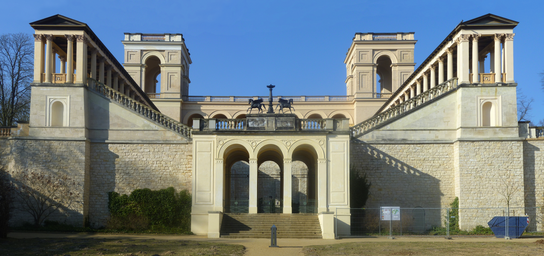
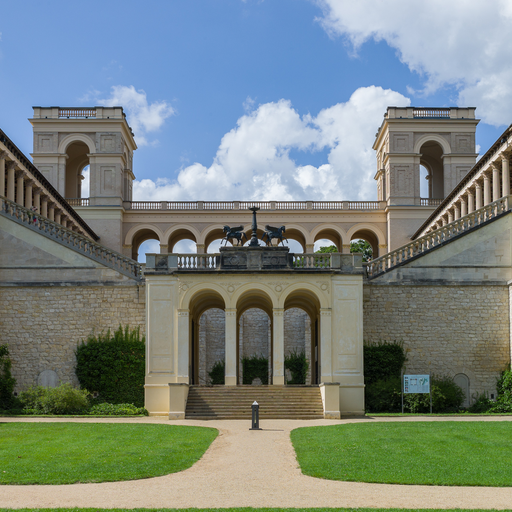
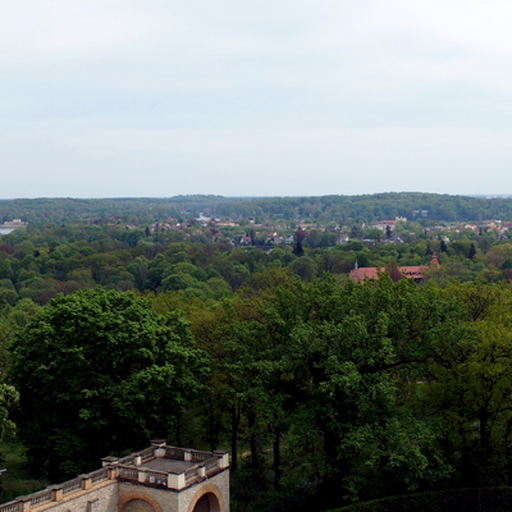
The Belvedere on the Pfingstberg is a neo-Renaissance palace in Potsdam, Germany. Built between 1847 and 1863 under King Frederick William IV, it offers panoramic views and is part of the UNESCO World Heritage Site "Palaces and Parks of Potsdam and Berlin." The gardens were designed by Peter Joseph Lenné.
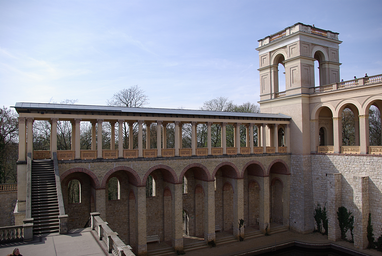
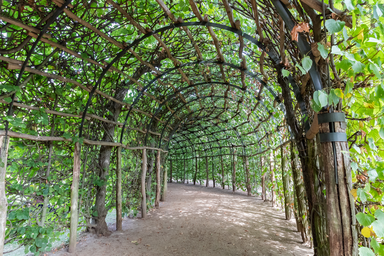
The Belvedere on the Pfingstberg is a historic palace located in Potsdam, Germany, part of the Palaces and Parks of Potsdam and Berlin, a UNESCO World Heritage Site. Situated on the highest point of the Pfingstberg hill, it offers panoramic views of the surrounding landscape. The palace was commissioned by King Frederick William IV of Prussia, inspired by Italian Renaissance architecture, particularly the Villa Farnese. Construction began in 1847, led by architects Ludwig Persius, Friedrich August Stüler, and Ludwig Ferdinand Hesse. The project was completed in two phases, from 1847 to 1852 and from 1860 to 1863, although financial constraints and shifting priorities left some parts unfinished. The Belvedere features twin towers and a design that reflects the grandeur of its intended scale. The surrounding gardens were designed by landscape architect Peter Joseph Lenné. After World War II, the building fell into disrepair during the GDR era but was later restored with the help of private donations and foundations. Today, it is managed by the Prussian Palaces and Gardens Foundation Berlin-Brandenburg and serves as a museum, offering visitors insights into its rich history and architectural significance.