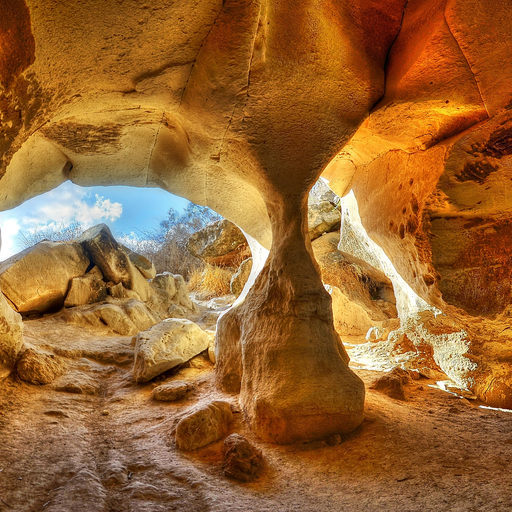
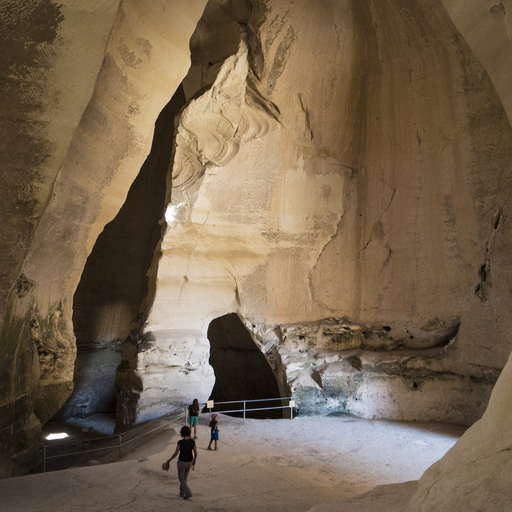
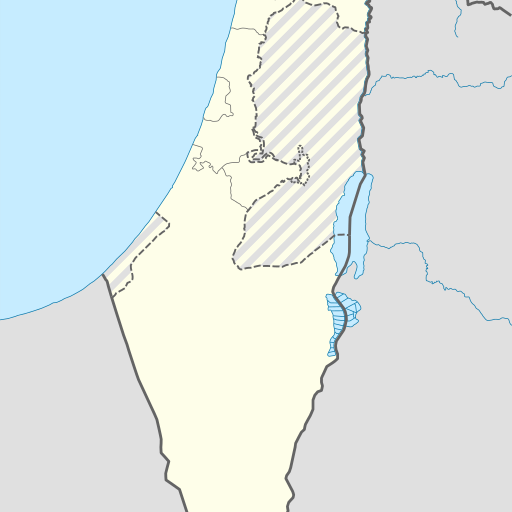
Cave in Jerusalem, Israel, with historical and geological significance.
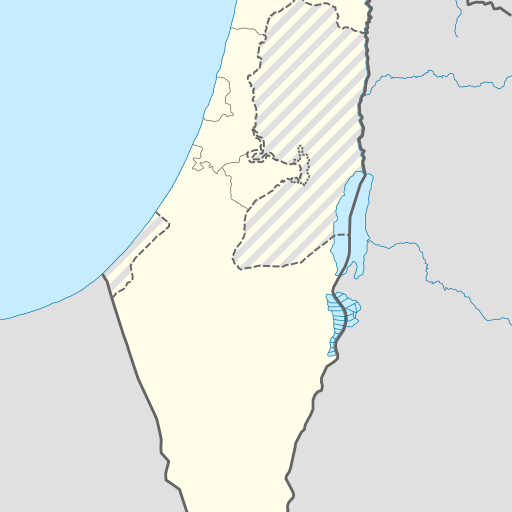
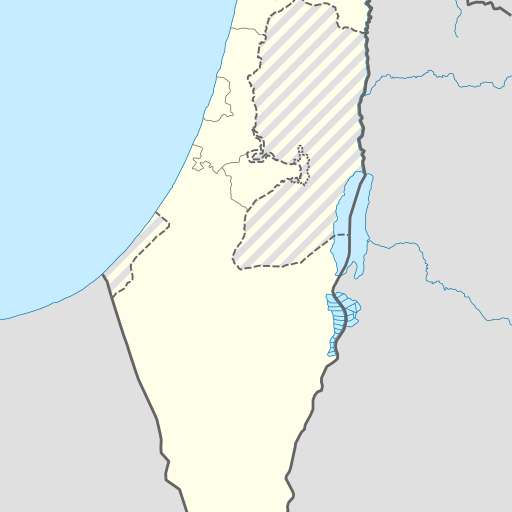
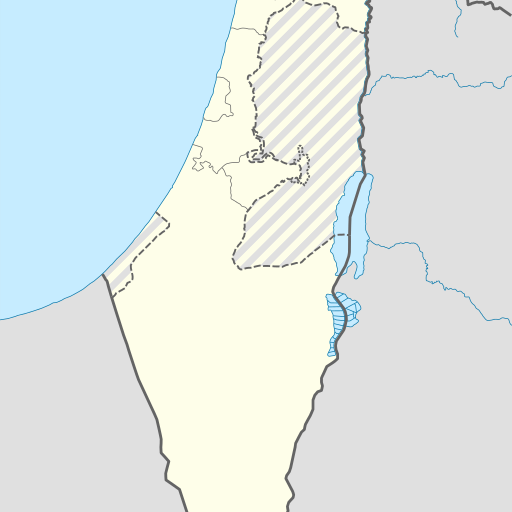
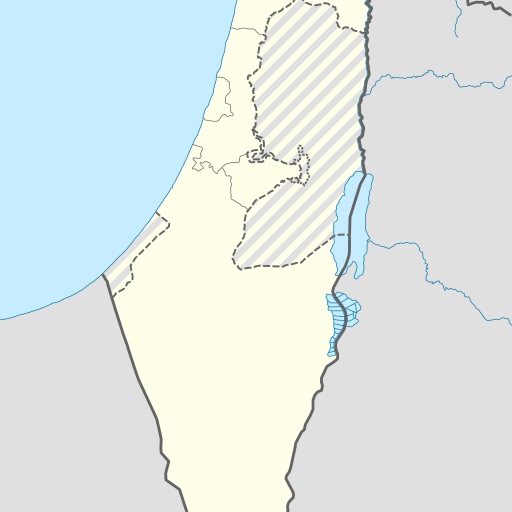
Cave in Israel's Jerusalem District, Jerusalem. Elevation 197 meters above sea level. Located within the administrative territorial entity of Jerusalem District, it is a popular tourist destination with nearby attractions including Me‘arot ‘Aqquv. The cave has a moderate population density and is part of the Mediterranean climate region.
Me‘arot Massu’a is a cave located in the Jerusalem District of Israel, near Bet Shemesh. Situated at an elevation of 197 meters above sea level, it lies within a moderately hilly region. The nearest prominent peak is Me‘arot ‘Aqquv, which stands at 369 meters above sea level about 2.8 kilometers east of the cave. The area around Me‘arot Massu’a has a Mediterranean climate with average temperatures ranging from 11°C in January to 30°C in August. Annual precipitation averages 486 millimeters, with most rainfall occurring in January (126 mm) and very little in June (1 mm). The surrounding landscape includes forests and other caves. The cave is part of a larger karstic region characterized by limestone formations and underground water systems. It has been an important site for archaeological research, yielding significant findings related to prehistoric human habitation. Despite its scientific importance, Me‘arot Massu’a remains relatively unknown to the general public and is not open for regular tours. The cave’s location in a densely populated area presents challenges for conservation efforts, as urban development pressures threaten the integrity of the site. Efforts are underway to preserve this unique geological feature while balancing the needs of local communities and scientific research.