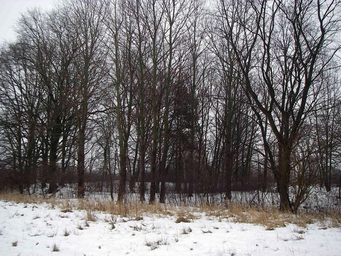
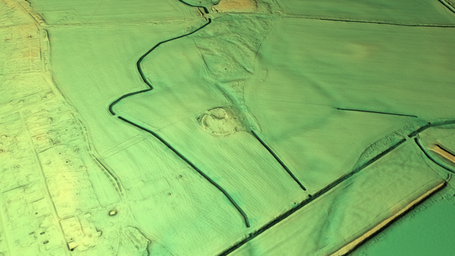
Slavic fortification remains from the 8th century in Leegebruch.
Burgwall Leegebruch is a Slavic lowland castle ruin located in Leegebruch, Brandenburg, Germany. Dating back to the 8th-9th centuries, it was built on a natural sand island in the Muhre river. The site is a cultural heritage monument, reflecting the history of the Rezanen tribe.
Burgwall Leegebruch is a historical site located in the municipality of Leegebruch, within the Oberhavel district of Brandenburg, Germany. It is the remains of a Slavic lowland castle, known as a "Burgstall," dating back to the 8th and 9th centuries. This archaeological monument is situated southeast of Leegebruch, in a lowland area along the Muhre River. The castle was constructed on a natural sand island in the river, providing a naturally fortified position. The inhabitants of this castle were part of the Rezanen tribe, who settled along the upper Havel River. The site is recognized as a cultural heritage monument in Germany, highlighting its historical significance. Excavations and findings have provided insights into the early Slavic period in this region. The Burgwall Leegebruch serves as an important archaeological site, offering a glimpse into the early medieval history of the area. Although the castle itself no longer stands, the site remains a point of interest for historians and archaeologists studying Slavic settlements and fortifications. The digital terrain model and archaeological studies continue to contribute to the understanding of the site's historical context and its role in the region's past.