Burg Friesack is a medieval moated castle located in Friesack, Brandenburg, Germany. Originally a Slavic fortification, it was expanded into a stone water castle in the 12th century. The site is recognized as an architectural and archaeological heritage monument, with its ruins listed in Brandenburg's monument register.
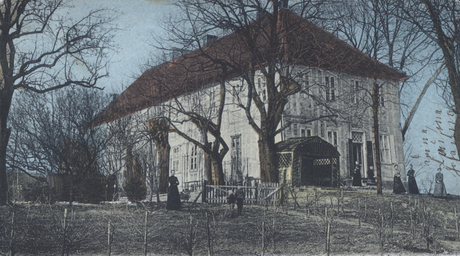
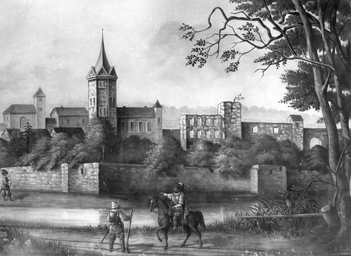
Burg Friesack is a medieval lowland castle, specifically a moated castle, located in the town of Friesack in the Havelland district of Brandenburg, Germany. The site is recognized as both an architectural and archaeological heritage monument. The castle's origins date back to before 1150, initially existing as a Slavic fortification. It gained prominence when Albrecht the Bear took control of the region in 1150, commissioning the construction of a dam through the surrounding marshes. This transformed the site into a significant stone water castle, strategically positioned at the start of a major trade route. The first documented mention of the castle, referred to as "Vrisac," was in 1216. Over the centuries, the castle changed hands multiple times, including being granted to the noble family von Friesack and later to the Bredow family. In 1409, Dietrich von Quitzow acquired the castle, which became notorious for the Quitzow brothers' feuds with neighboring towns. To curb their activities, Burgrave Frederick VI of Hohenzollern captured the castle in 1414 using a large cannon known as "Faule Grete." The castle eventually fell into disrepair, and the Bredow family built manor houses on the site, which they occupied until the mid-19th century.