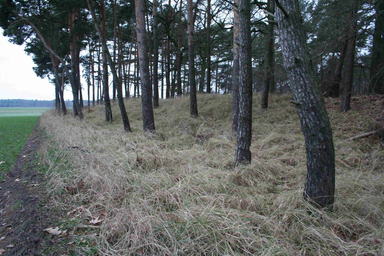
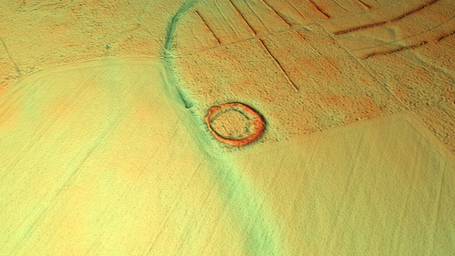
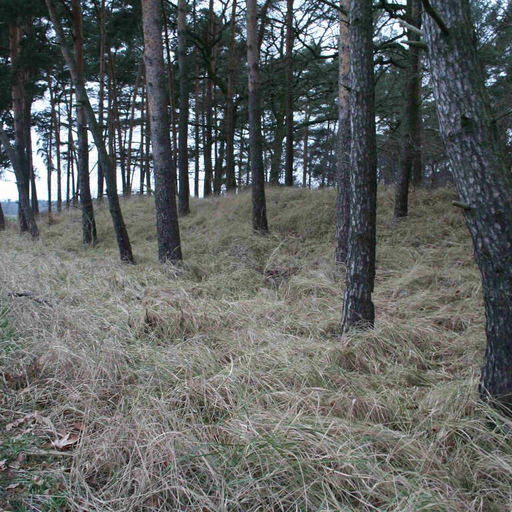
Slavic fortification from 7th-9th century in Friesack, Brandenburg.
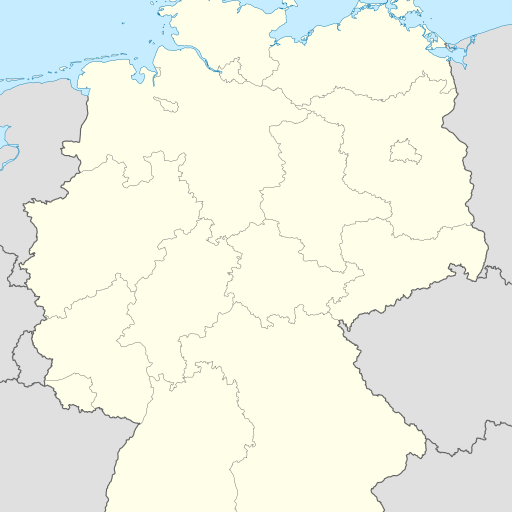
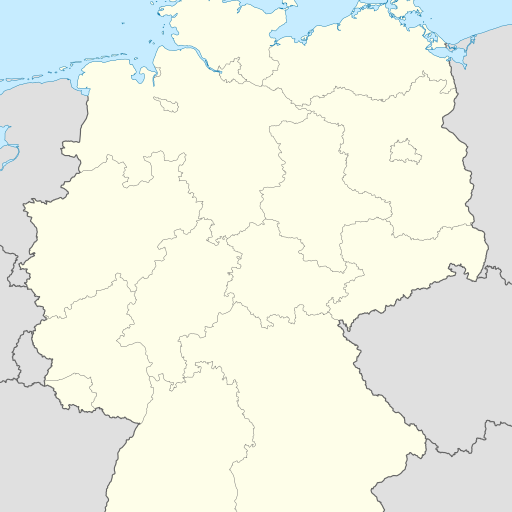
Burgwall Klessener Zootzen is a well-preserved Slavic castle site from the 7th to 9th century, located in the Zootzen district of Friesack, Brandenburg, Germany. It is a cultural heritage monument situated in a forested area, representing an important archaeological site from the early Slavic period.
Burgwall Klessener Zootzen is a well-preserved Slavic fortification dating from the 7th to 9th centuries, located in the Zootzen district of Friesack, Brandenburg, Germany. This historical site is classified as a Niederungsburg, a type of lowland castle, and is recognized as a cultural heritage monument in Germany. The fortification is situated in the forested area of Zootzen, northwest of the residential area known as Klessener Zootzen. The site features an oval-shaped structure typical of early Slavic defensive architecture. As a Burgstall, it represents the remnants of a once-standing castle, providing valuable insights into the region's early medieval history. The Burgwall Klessener Zootzen is an important archaeological site, offering a glimpse into the settlement patterns and defensive strategies of the Slavic peoples who inhabited the area during the early Middle Ages. The preservation of this site allows for ongoing study and appreciation of its historical significance. The surrounding landscape, characterized by its natural beauty, enhances the site's appeal, making it a point of interest for both historians and visitors interested in exploring Germany's rich cultural heritage. The site is accessible to the public, providing an educational experience about the region's past.