Schloss Guteborn was a château in Guteborn, Brandenburg, Germany. Built in the 16th century by the von Gersdorff family, it served as a noble residence. The château was demolished in 1948 by communist authorities, but remnants like the chapel and moat remain protected as heritage sites.
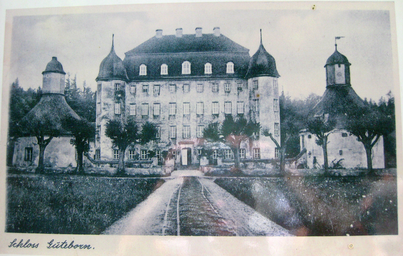
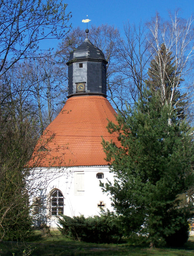
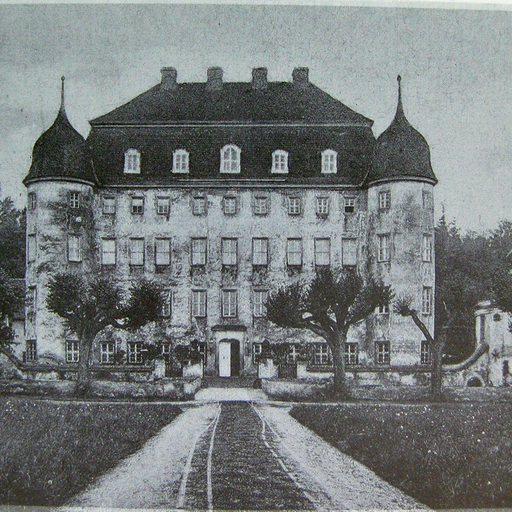
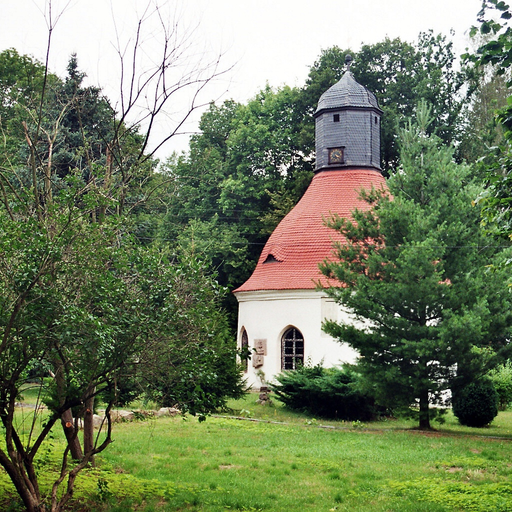
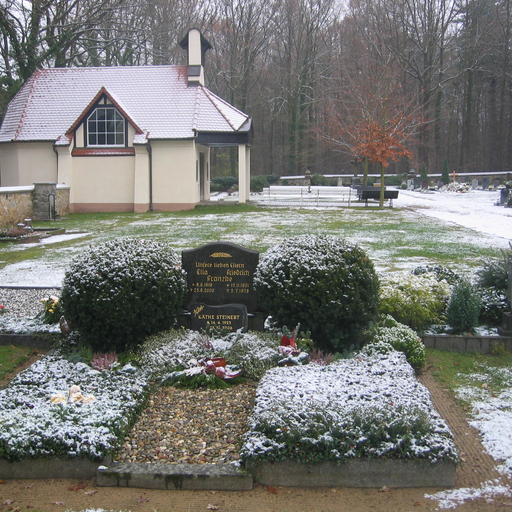
Schloss Guteborn was a château located in Guteborn, in the district of Oberspreewald-Lausitz, southern Brandenburg, Germany. The site has a rich history dating back to 1397 when the noble family von Gersdorff resided in the area. The château itself was constructed after Guteborn became a lordship seat in 1529, with significant renovations occurring between 1564 and 1575. The estate remained in the von Gersdorff family until 1738, after which it changed hands several times, eventually becoming associated with the Schönburg-Waldenburg princes in the 19th century. Notably, during the 1918 revolution, the château served as a refuge for the Saxon King Friedrich August III, who abdicated there. In 1945, the Schönburg family was forced to leave, and on August 8, 1948, the château was demolished by order of the communist authorities, as it symbolized the Saxon monarchy. Today, only remnants of the building ensemble, including the chapel and moat, remain and are protected as historical monuments. The château was originally a four-story structure with distinctive architectural features, including corner turrets and a surrounding moat, reflecting the style of the German Renaissance with Italian influences.