Baroque palace in Oranienburg, Germany, oldest in Brandenburg.
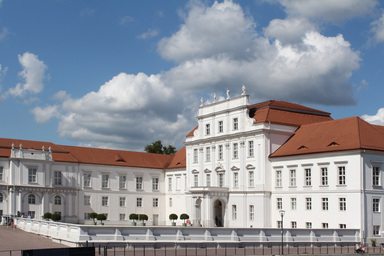
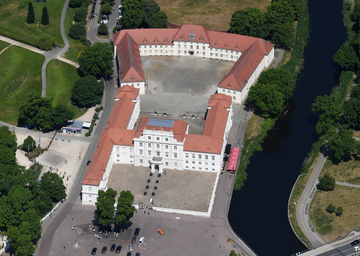
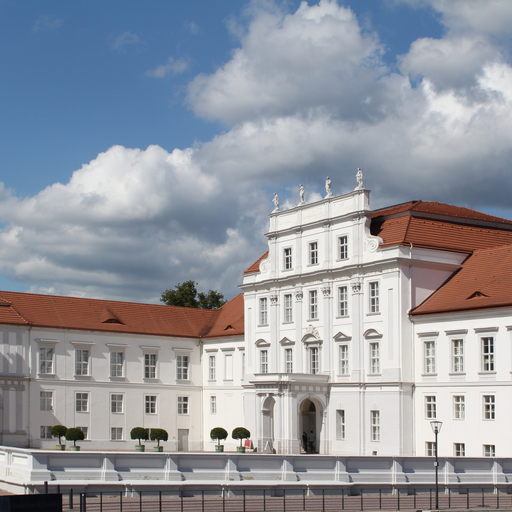
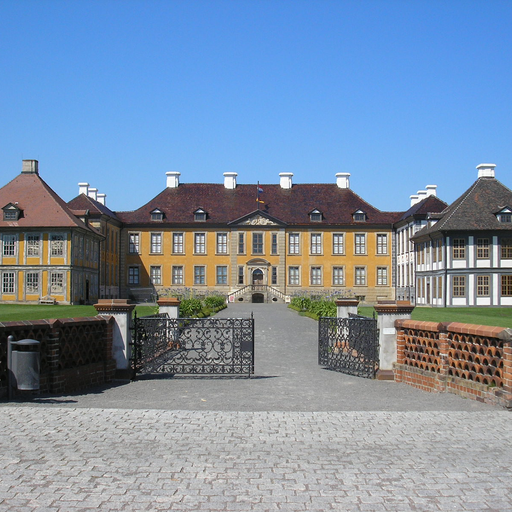
Oranienburg Palace, located in Oranienburg, Germany, is the oldest Baroque palace in Brandenburg. Built between 1651 and 1655 by Louise Henriette of Orange-Nassau, it features Dutch classicism architecture. The palace now serves as a museum, showcasing Baroque crafts and paintings related to its history and inhabitants.
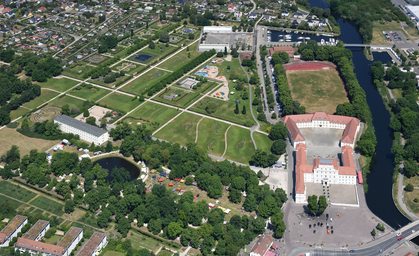
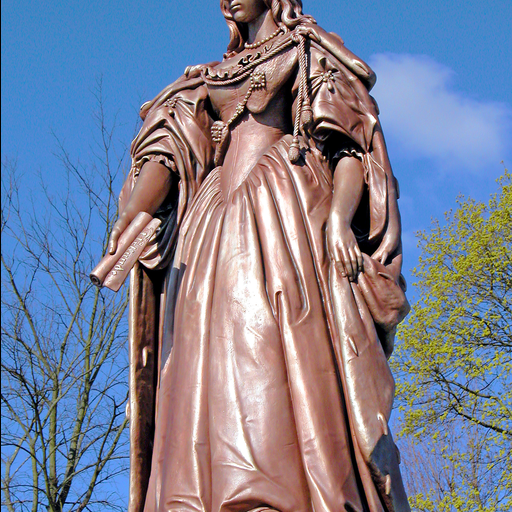
Oranienburg Palace, located in Oranienburg, Germany, is the oldest Baroque palace in the Margraviate of Brandenburg. Built between 1651 and 1655 by Countess Louise Henriette of Orange-Nassau, the palace was designed by architect Johann Gregor Memhardt in the style of Dutch classicism. Originally a hunting lodge, it was transformed into a grand residence with extensive gardens used for cultivating trees, ornamental shrubs, flowers, and vegetables. Louise Henriette introduced potatoes and cauliflower to the region. In 1689, her son, Frederick I of Prussia, expanded the palace and gardens, incorporating Italian and French Baroque influences under the direction of Johann Arnold Nering and Johann Friedrich Eosander von Göthe. After Frederick I's death in 1713, the palace saw limited use, with occasional visits by Frederick William I and later serving as a residence for Prince Augustus William of Prussia. Over the years, the palace was repurposed as a teacher's seminary, SS barracks, and police academy. Damaged during World War II, it was restored between 1948 and 1954. Today, Oranienburg Palace is a museum managed by the Prussian Palaces and Gardens Foundation Berlin-Brandenburg, showcasing Baroque crafts and paintings related to its history.