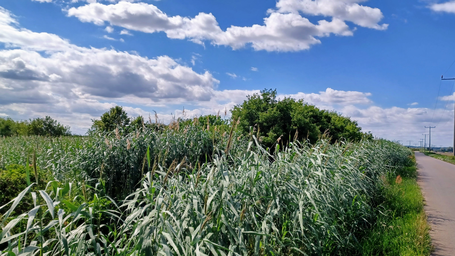
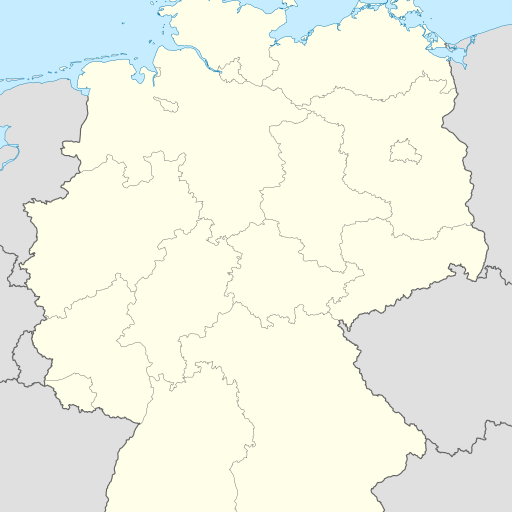
Deserted Slavic castle site in Ziltendorf, Brandenburg, Germany.
Grodisch is a deserted Slavic castle site located in Ziltendorf, Brandenburg, Germany. Dating back to the 7th century, it was originally a small settlement. Archaeological excavations in 1969 revealed well-preserved artifacts. The site is recognized as a heritage monument and is part of the Oder-Spree district.
Grodisch is a deserted castle site located in the Ziltendorfer Niederung, within the Oder-Spree district of Brandenburg, Germany. Known in Old Sorbian as Grodišče, meaning 'castle site', it is a Slavic ring fort that dates back to approximately the 7th century. Originally, Grodisch was a small settlement with a mound about 1.5 meters high and dimensions of roughly 65 by 50 meters, surrounded by a shallow depression. This site is part of a category of small ring forts predominantly found in the Lausitz region. During the 7th to 10th centuries, a small Slavic settlement existed here, which may have evolved into the present-day village of Ziltendorf. The site was recognized as a cultural monument on the 1938 Messtischblatt map but fell into obscurity and partial destruction after World War II. In 1969, the Museum for Prehistory and Early History in Potsdam conducted archaeological excavations, initially intended as a short-term rescue operation. These excavations expanded into a comprehensive study of the castle's interior and surrounding areas, revealing well-preserved organic artifacts, including an unfinished wooden hook and 19 wooden plowshares. Grodisch is designated as a heritage site, known as a Bodendenkmal, reflecting its historical and archaeological significance.