Burg Pritzerbe is a former bishop's lowland castle located in Pritzerbe, Havelsee, Germany. Built after 1157, it served as a residence for the Bishop of Brandenburg. Strategically positioned between the Havel River and Pritzerber See, its remains are now protected as an archaeological monument.
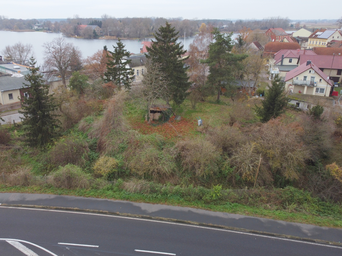
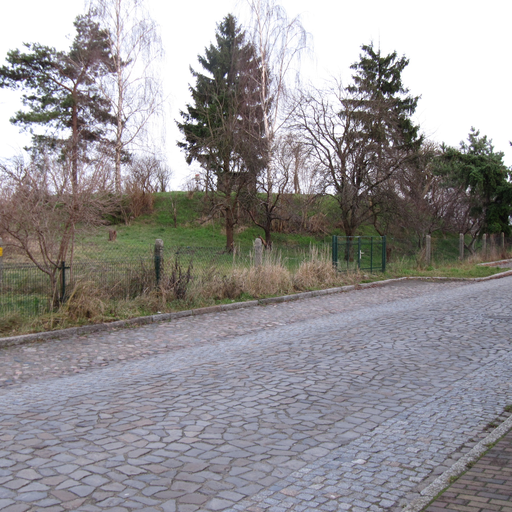
Burg Pritzerbe is a former episcopal lowland castle located in the district of Potsdam-Mittelmark, in the town of Havelsee, Germany. It was originally constructed after 1157 as a residence for the Prince-Bishop of the Bishopric of Brandenburg. The castle was strategically positioned between the Havel River and Pritzerber See to control the river and the land route between Brandenburg an der Havel and Havelberg. Archaeological evidence suggests that the site was previously occupied by a Slavic fortification, with artifacts such as pottery shards and a richly decorated stirrup dating back to the 11th century. These findings indicate a Slavic presence before the German reoccupation led by Albrecht the Bear in 1157. The castle served as a bishop's residence until the late Middle Ages when the bishops preferred Ziesar Castle as their main seat. By 1550, Burg Pritzerbe was described as a "deserted castle site," having fallen into disrepair. Today, the visible remains of the castle include the Mühlenberg or Bishop's Hill, which is protected as an archaeological monument. The site reflects the historical shifts in power and settlement patterns in the region, marking its significance in the medieval ecclesiastical and political landscape of Brandenburg.