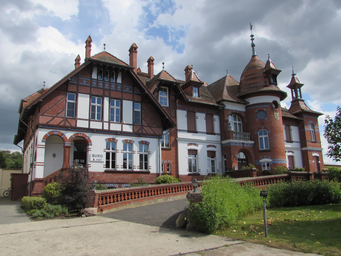
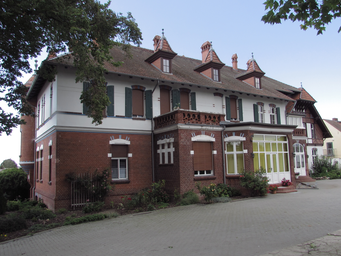
Historic manor house in Beetzseeheide, Germany, built in 1894.
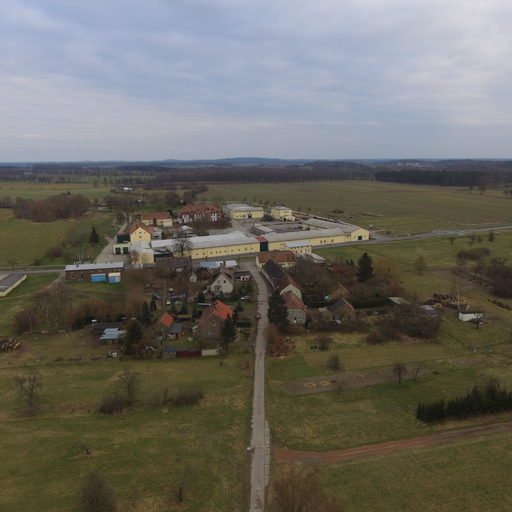
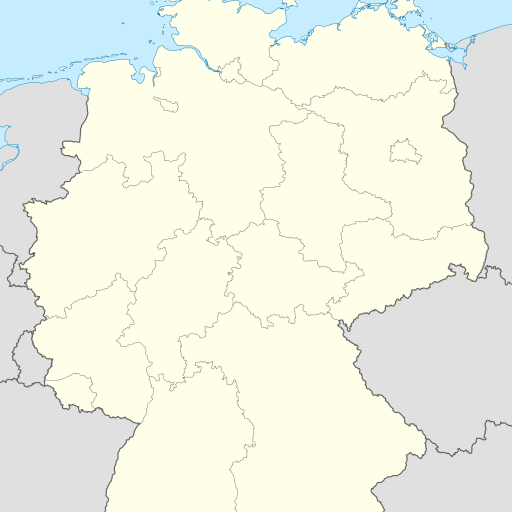
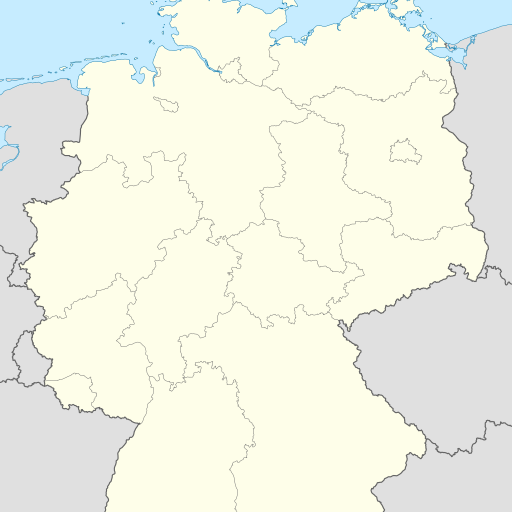
Gutshaus Mötzow is a protected historicist manor house in Mötzow, Beetzseeheide, Germany. Built in 1894 as part of the Domstiftsgut Mötzow estate, it belongs to a listed ensemble that also includes storage buildings, stables, a forge, a distillery, a school building, workers’ houses, and other farm structures.
Gutshaus Mötzow is a historic manor house located in the community of Beetzseeheide, Germany, built in 1894 in the Historismus architectural style. It is part of the Domstiftsgut Mötzow estate and is recognized as an architectural heritage monument. The estate includes several other historical buildings such as storage facilities, stables, a forge, a distillery, a barn, a schoolhouse, and two Inst-houses, all contributing to its cultural significance. The village of Mötzow has a rich history dating back to 1161 when it was established as a Slavic settlement. By 1204, it was under the ownership of the Brandenburg Cathedral Chapter. Over the centuries, the estate was managed by various tenants, including August von Schönborn and Friedrich Sander, who constructed the manor house. After World War II, the estate avoided expropriation and remained under church management until it was leased in 2001. Today, Gutshaus Mötzow operates as part of Vielfruchthof Domstiftsgut Mötzow, combining agricultural production with cultural tourism. The site hosts events, guided tours, and offers culinary experiences, maintaining its historical charm while providing modern amenities. Visitors can explore the restored buildings and enjoy the farm's products, including spargel and berries.