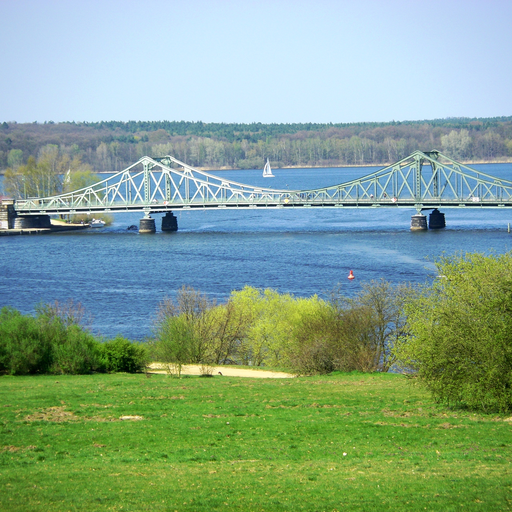
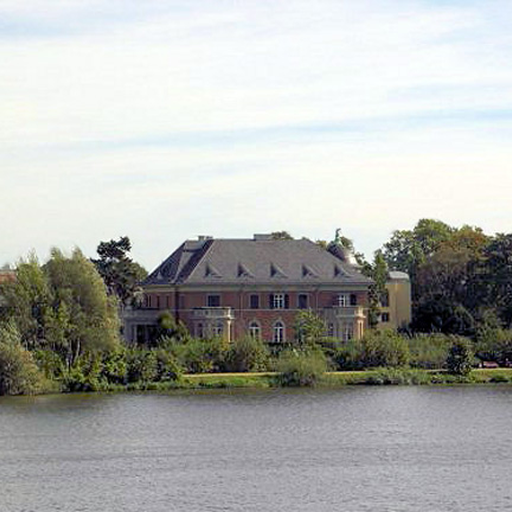
Historic Potsdam villa and museum beside Glienicke Bridge near Berlin.
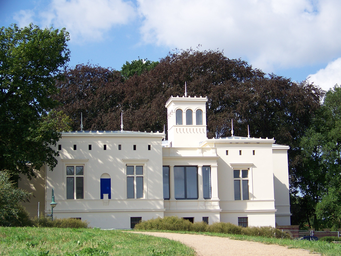
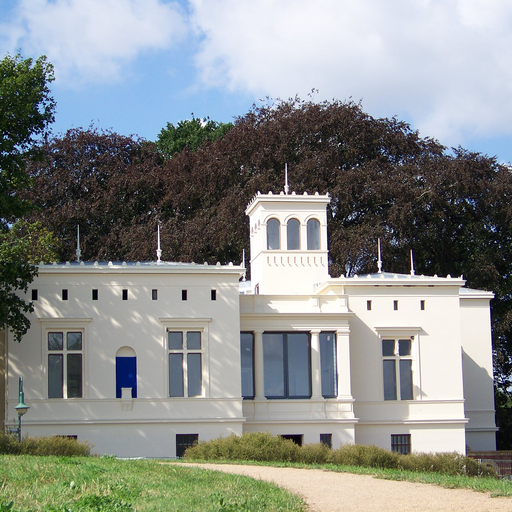
Villa Schöningen is a historic villa and museum in Potsdam, near the Glienicke Bridge. Designed by Ludwig Persius in 1843 in the Italian villa style for Kurd von Schöning, it is a Brandenburg heritage monument and part of the UNESCO World Heritage site Palaces and Parks of Potsdam and Berlin.
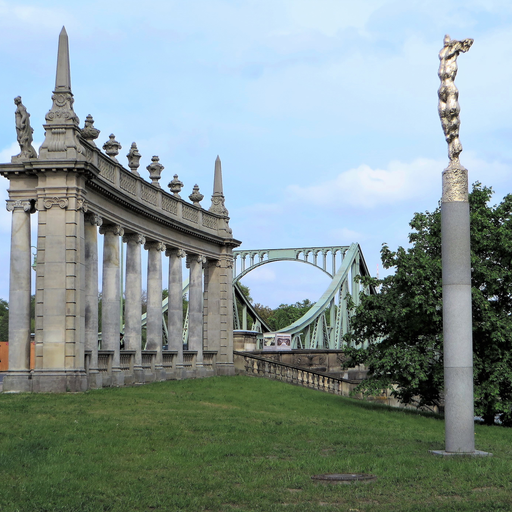
Villa Schöningen is a historic villa and museum in Potsdam, Germany, at Berliner Straße 86 near the Glienicke Bridge. Designed in 1843 by Ludwig Persius in the Italian villa style on behalf of Prussian King Friedrich Wilhelm IV, it was built for Kurd von Schöning, chamberlain of Prince Carl of Prussia, and named after the city of Schöningen, the family’s place of origin. After von Schöning’s death in 1859, the property changed hands several times. Prince Carl bought it and resold it, and in 1871 Moritz Jacoby acquired the villa, later passing it to his daughter Anna and her husband Hermann Wallich. After 1945 the building fell into neglect, but it was later restored. Since 1977, Villa Schöningen has been listed as an architectural heritage monument in Brandenburg. The surrounding area has also formed part of the UNESCO World Heritage site Palaces and Parks of Potsdam and Berlin since 1990. In November 2009, after extensive renovation, the villa opened as an exhibition house and museum. Its displays address the history of the villa and nearby Glienicke Bridge, famous during the Cold War as the “Bridge of Spies,” and the site also presents contemporary art.