Sea cave in Gibraltar linked to wartime decoy espionage plans.
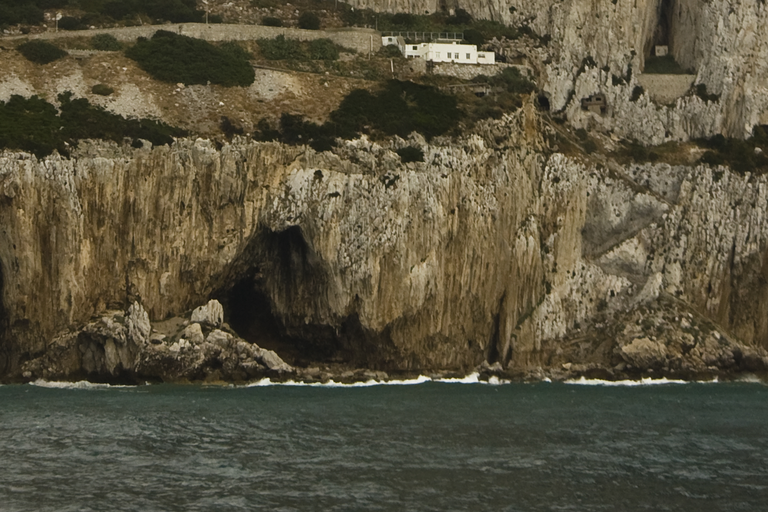
Coptic Cave is a sea cave in the British Overseas Territory of Gibraltar, on the Rock of Gibraltar. It was intended as a decoy to protect Operation Tracer, a secret plan to leave British spies behind if Gibraltar was lost during World War II, and formed part of Operation Monkey.
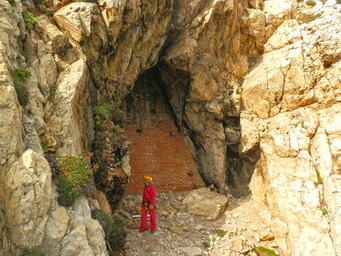
Coptic Cave is a sea cave in the British Overseas Territory of Gibraltar, located on the Rock of Gibraltar. The cave has two entrances and a depth of about 14.8 metres. It is in limestone, like the other caves in Gibraltar, which is sometimes referred to as the “Hill of Caves.” The cave is about eight metres high and was named after a lamp discovered there in 1937, which was mistakenly thought to be of Coptic origin. The lamp is now considered Roman and is thought to have been brought to Gibraltar by Vandals or Byzantines. During World War II, Coptic Cave, together with Beefsteak Cave, was chosen to form part of Operation Monkey, creating two decoy caves. These decoy sites were intended to mislead any invaders of Gibraltar who might be searching for British agents left behind. The real secret plan to leave behind spies in a concealed cave was called Operation Tracer, whose existence remained a rumour until a cave associated with it was discovered in 1997 by the Gibraltar Caving Group. At the back of Coptic Cave, almost 15 metres from the entrance, a shaft was constructed as an escape route and for delivering materials via a wooden ladder.