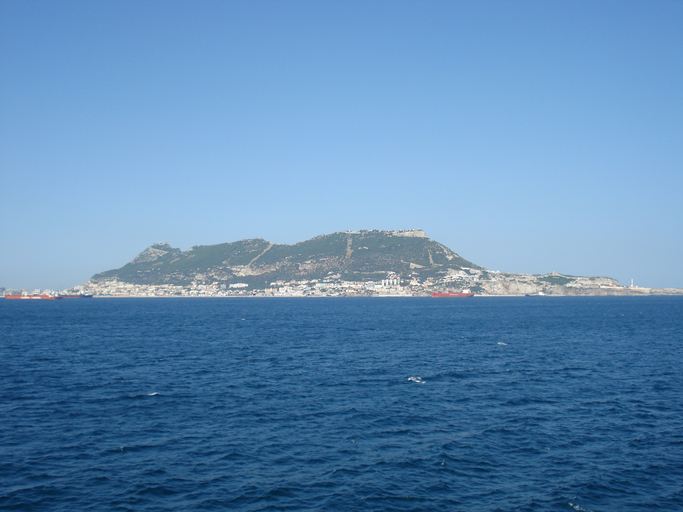
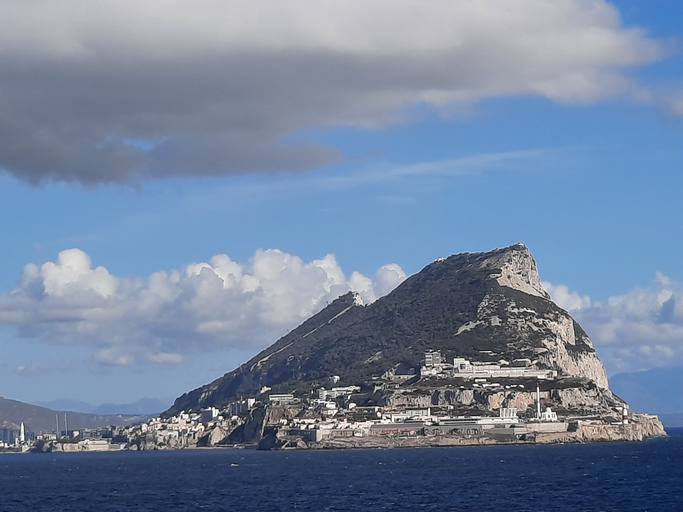
1316 Granadan–Azafid siege of Gibraltar, repelled by Castilian forces.
The Second Siege of Gibraltar (1316–1317) was an abortive attempt by Azafid Ceuta and the Nasrid Emirate of Granada to recapture Gibraltar from Castile. Granadan‑Azafid forces crossed the strait, defeated a Castilian fleet, besieged the town, and entered its suburbs before retreating when a relieving Castilian land–naval force approached.
The Second Siege of Gibraltar was a failed 1316–1317 attempt by Azafid Ceuta and the Nasrid Emirate of Granada to retake Gibraltar, which had fallen to Ferdinand IV of Castile in 1309. It formed part of a wider war in which Castile invaded Granada, officially to support its vassal Nasr of Granada, the deposed sultan overthrown by his nephew Ismail I in 1314. After his accession, Ismail anticipated Castilian intervention for Nasr and declared a jihad in 1315. Castile prepared invasion forces in spring 1316. With Nasr’s support, Prince Peter of Castile defeated Granadan troops under Uthman ibn Abi al-Ula near Alicún and raided deep into Granada, plundering and devastating its rich agricultural lands. In response, Ismail prepared to besiege Gibraltar and in 1316 secured an alliance with the Azafid leaders of Ceuta, while Marinid sultan Abu Said Uthman II refused aid. Early that year, Yahya ibn Abi Talib al-Azafi’s Ceutan troops crossed the Strait of Gibraltar, defeated a Castilian fleet, and besieged Gibraltar, pushing into its suburbs. When news reached Prince Peter in Córdoba, he organized a relieving land and naval force from Seville. The approaching Castilian army and fleet prompted the besiegers to withdraw, ending the siege in a Castilian victory.