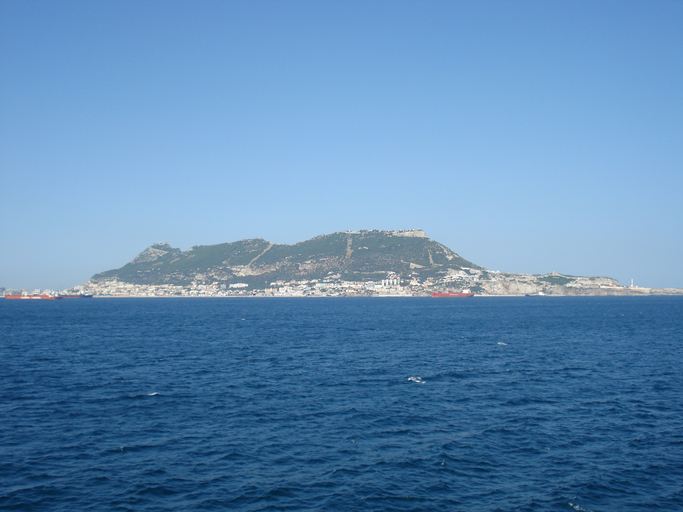
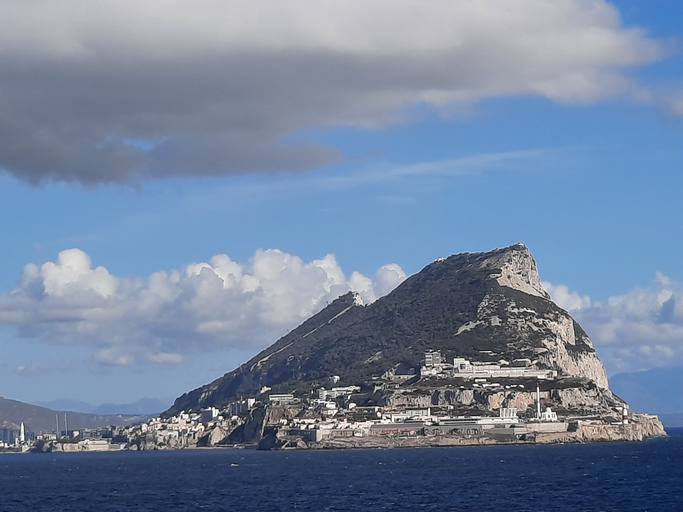
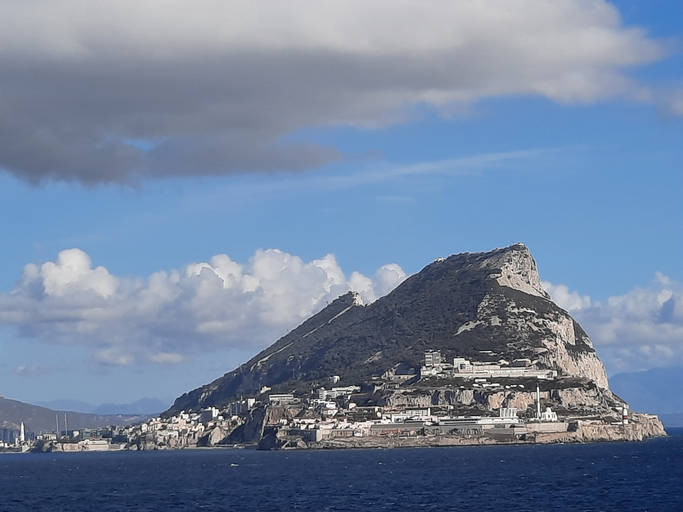
1727 Anglo-Spanish War siege; Spanish assault on British-held Gibraltar.
The 1727 siege of Gibraltar, also called the thirteenth siege, occurred during the Anglo-Spanish War of 1727–1729. Spanish forces, variously reported between 12,000 and 25,000 men, besieged the British garrison. Defenders grew from about 1,500 to 5,000. After roughly five months of unsuccessful attacks, the Spanish withdrew, leaving Gibraltar British-held.
The 1727 siege of Gibraltar, known as the thirteenth siege of Gibraltar, was a major episode of the Anglo-Spanish War of 1727–1729. Spanish troops attempted to capture British-held Gibraltar, which lay at the southern end of the Iberian Peninsula. The siege lasted about five months, with dates given in different sources as running from February to June or February to July 1727. Spanish strength is variously reported between 12,000 and 25,000 soldiers. The British garrison initially numbered about 1,500 but was later reinforced to around 5,000–5,500 men. Command on the British side included Sir Charles Wager and other officers such as Jasper Clayton and Lord Portmore, while Spanish commanders included the Conde de las Torres and military engineer Jorge Próspero de Verboom. Despite extensive trench works and coastal batteries constructed by the besieging army, Spanish artillery and assault efforts failed to break Gibraltar’s northern defences or dislodge the British fleet support. British fire inflicted significant casualties and damage on the siege works, and dissatisfaction grew in the Spanish camp. After months of costly, ineffective operations the Spanish abandoned the siege and withdrew. The failure of the siege helped open the way to subsequent peace negotiations, including the Treaty of El Pardo in 1728 and the Treaty of Seville in 1729.