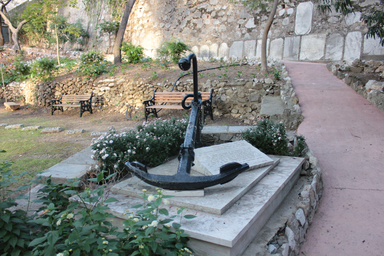
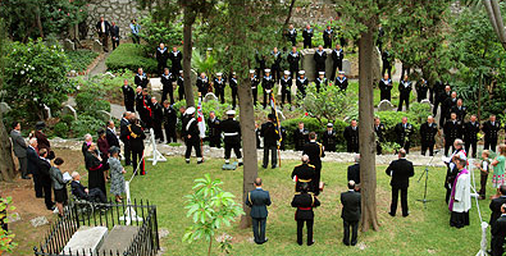
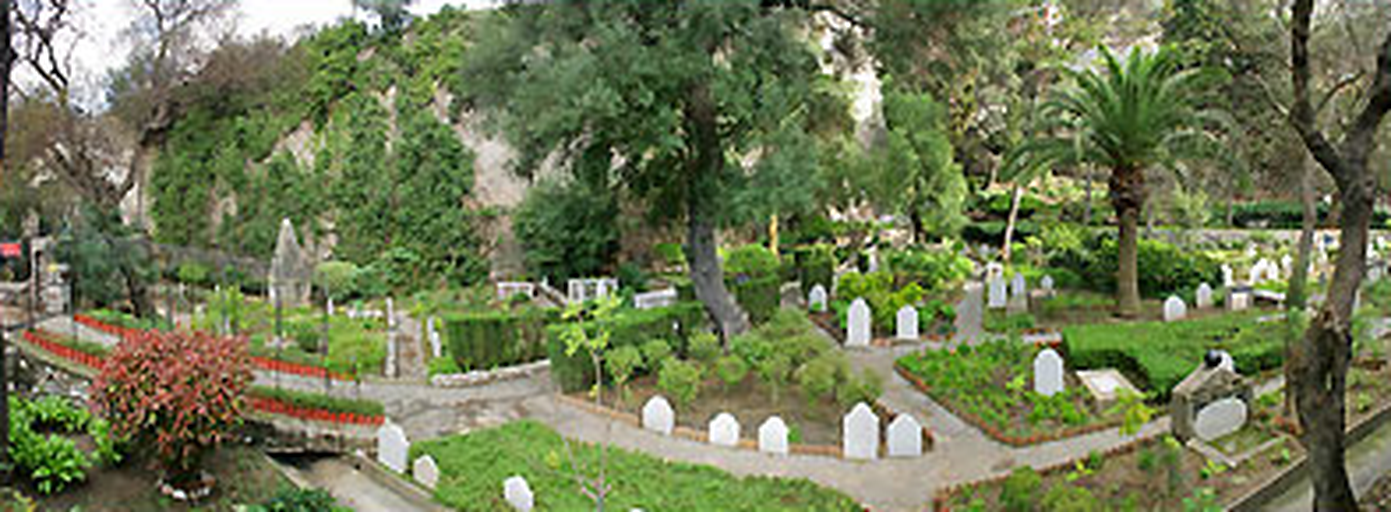
Historic cemetery in Gibraltar, renamed after the Battle of Trafalgar.
Trafalgar Cemetery is an old cemetery in Gibraltar, originally called Southport Ditch Cemetery and consecrated in June 1798. Renamed in 1805 after the Battle of Trafalgar, it contains only two battle casualties. Most burials are victims of yellow fever epidemics and other early nineteenth‑century military actions.
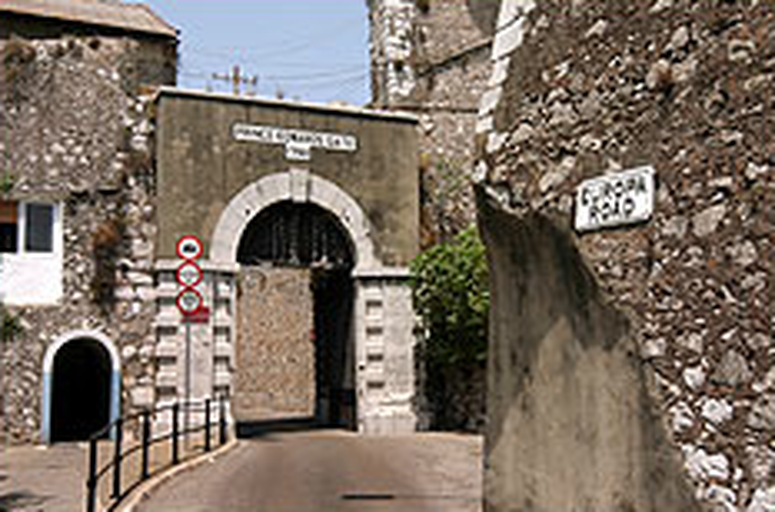
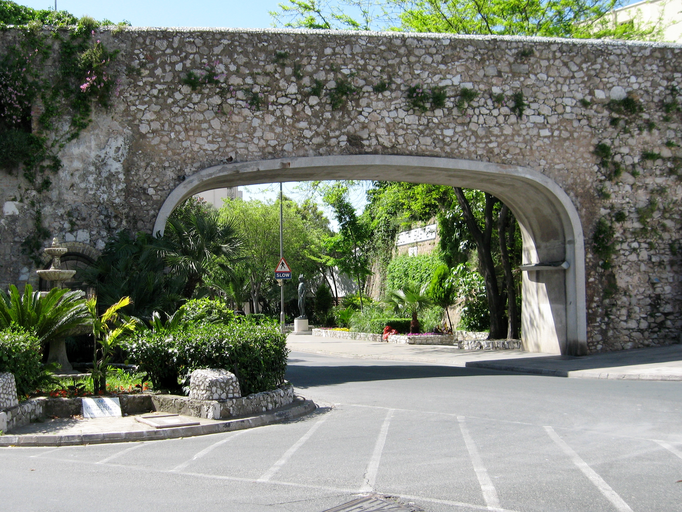
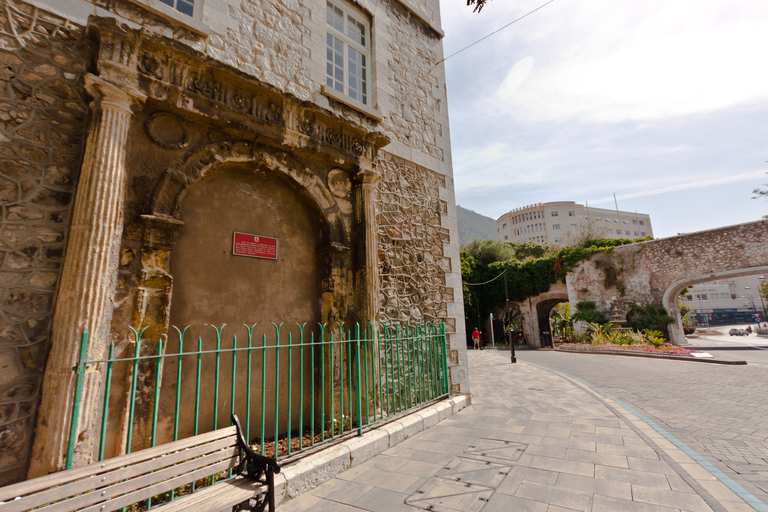
Trafalgar Cemetery is a historic cemetery in the British Overseas Territory of Gibraltar. Formerly known as the Southport Ditch Cemetery, it occupies a small triangular parcel of land just south of Gibraltar’s old city walls, in part of the former Southport Ditch defensive trench near Trafalgar Road and Prince Edward’s Gate. The cemetery was consecrated in June 1798, seven years before the Battle of Trafalgar on 21 October 1805, and was renamed many years later to commemorate that battle. It was used for interments mainly between 1798 and 1814, with one later grave from 1838. Despite its name, only two of those buried there died from wounds received at the Battle of Trafalgar; most of the battle’s dead were buried at sea, while Admiral Horatio Nelson’s body was taken to London. Many of the cemetery’s interments are victims of yellow fever epidemics that affected Gibraltar in 1804 and again in 1813–1814, along with casualties from other sea battles and campaigns such as the Battle of Algeciras and the sieges of Cádiz and Málaga. Some tombstones were transferred from St. Jago’s Cemetery and Alameda Gardens. The cemetery is no longer in active use.