Protected nature reserve on Gibraltar’s Rock, famed for Barbary macaques.
The Gibraltar Nature Reserve, formerly the Upper Rock Nature Reserve, is a protected nature reserve on the Rock of Gibraltar covering over 40% of Gibraltar’s land area. Established in 1993 and extended in 2013, it is known for its semi‑wild Barbary macaques and as an important resting point for migrating birds.
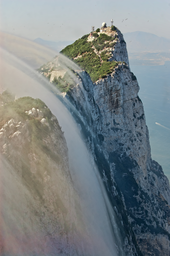
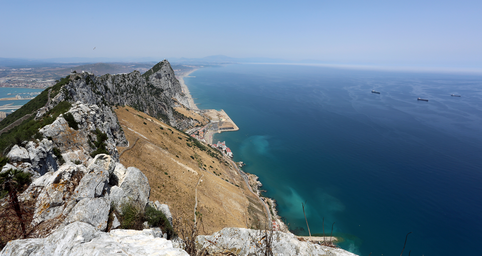
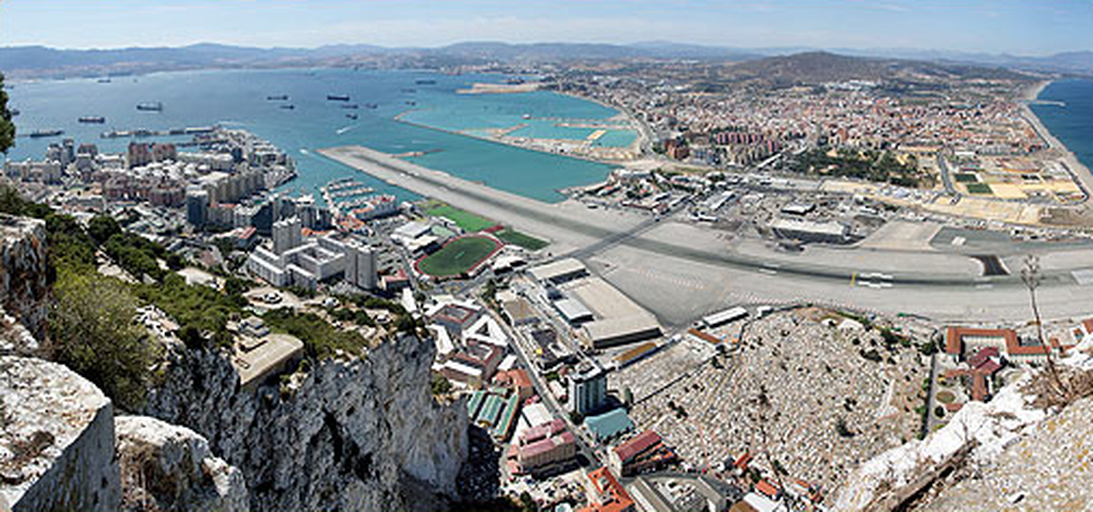
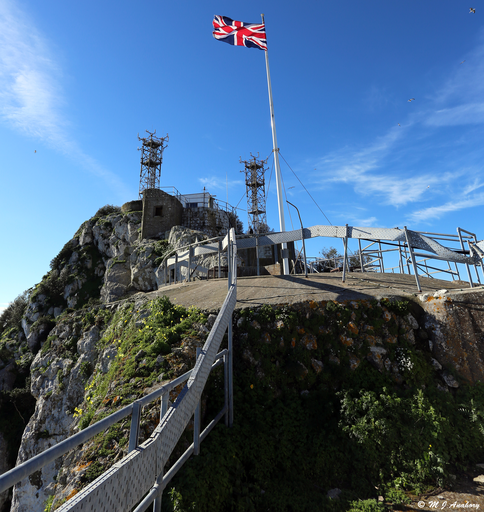
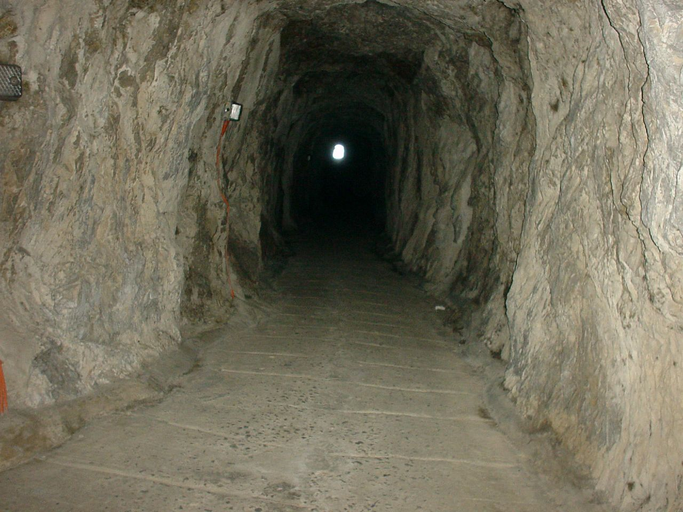
The Gibraltar Nature Reserve is a protected nature reserve on the Rock of Gibraltar in the British Overseas Territory of Gibraltar. Formerly called the Upper Rock Nature Reserve, it was established in 1993 under the International Union for Conservation of Nature’s category Ia as a strict nature reserve, and was later extended in 2013 and renamed to reflect its wider scope. The reserve now covers over 40% of Gibraltar’s land area and includes the Rock of Gibraltar, the Great Gibraltar Sand Dune, Windmill Hill and the Europa Foreshore. It is known for its semi‑wild population of Barbary macaques and serves as an important resting point for migrating birds. The flora and fauna of the nature reserve are protected by the law of Gibraltar. The reserve contains many of Gibraltar’s important natural history sites, including caves such as St. Michael’s Cave, noted for its stalagmites and stalactites and used as a venue for concerts in its main chamber. The Gibraltar Nature Reserve also encompasses significant historical and military sites managed or presented as attractions, such as O’Hara’s Battery, the 100 Ton Gun at Napier of Magdala Battery, Princess Caroline’s Battery Heritage Centre, Parson’s Lodge Battery, the Moorish Castle, Devil’s Gap Battery, Princess Anne’s Battery, the World War II Tunnels, the Great Siege Tunnels and the Charles V Wall.