Historic artillery battery on Gibraltar’s Old Mole, now inland landmark.
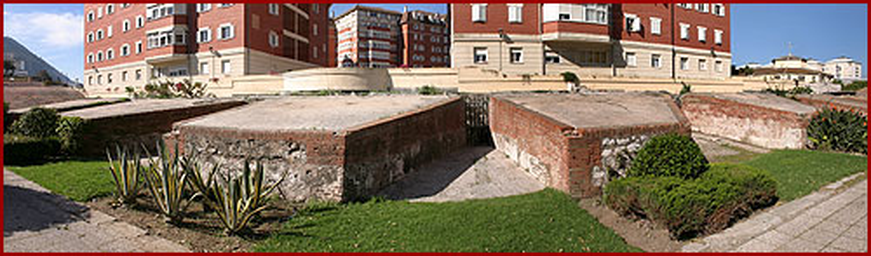
Devil's Tongue Battery was an artillery battery in Gibraltar, part of the Fortifications of Gibraltar on the Old Mole overlooking the harbour. Used by the British in 1727 and during the Great Siege, it later became inland through land reclamation. Its brick embrasures survive and form a Class A listed building.
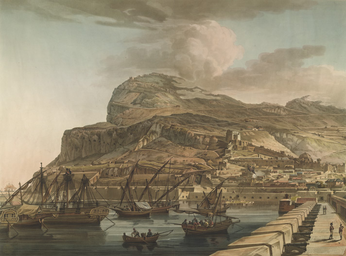
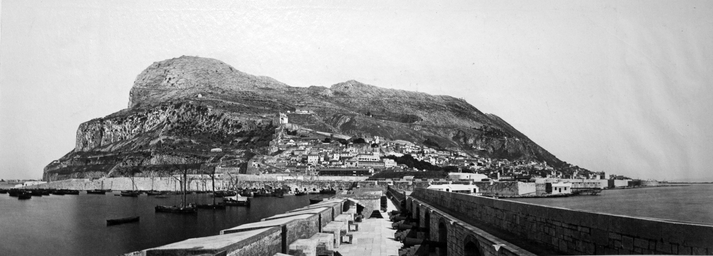
Devil's Tongue Battery was an artillery battery in the British Overseas Territory of Gibraltar, forming part of the Fortifications of Gibraltar. It stood on the Old Mole, the oldest part of the North Mole at Gibraltar Harbour, positioned to support the Landport defences which protected Gibraltar from invasion across the isthmus. A battery was in use on this site by the British in 1727 and it was again used during the Great Siege of Gibraltar between 1779 and 1783. In 1761 additional batteries were planned by General John Thomas Jones, who had one of them named Jones’ Battery. In 1848, John Fox Burgoyne, Inspector-General of Fortifications, recommended that the guns at Devil's Tongue Battery be directed into Gibraltar Harbour, which then lay immediately south of the position. Subsequently, significant land reclamation around the harbour left these former coastal fortifications inland. Today the battery lies at the south‑eastern end of the Old Mole, with a garden centre occupying part of the site and Waterport Avenue on the other side. The brick and limestone embrasures of the battery remain substantially intact, and the structure is designated a Class A listed building under the Gibraltar Heritage Trust Act of 1989.