Small Gibraltar wildlife park focused on confiscated animals and conservation.
Alameda Wildlife Conservation Park is a small wildlife park in Gibraltar’s Alameda Botanic Gardens, officially opened in 2002. It houses about 128 animals of 36 species, including confiscated animals from illegal trade and native species. The park emphasises wildlife conservation, endangered species awareness and educational visits for local schools.
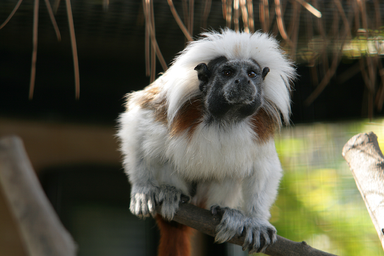
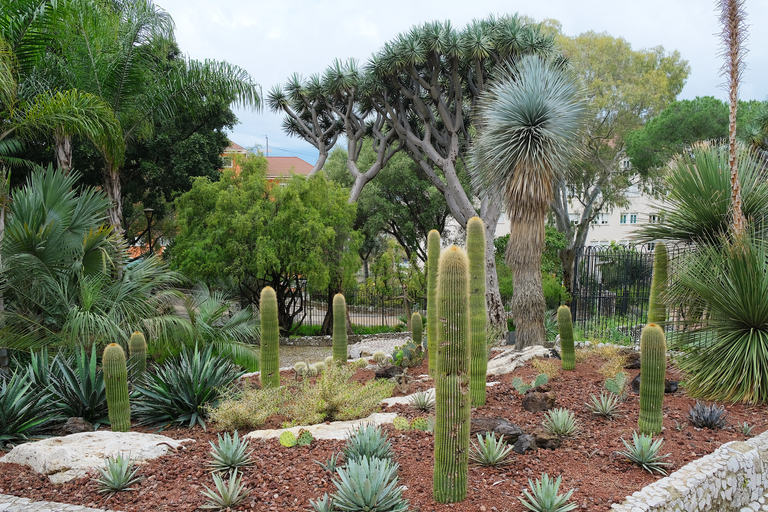
Alameda Wildlife Conservation Park is a small wildlife park situated in the Alameda Botanic Gardens in Gibraltar. Officially opened in 2002, it grew from a collection of parrots, tortoises and monkeys confiscated from illegal traders passing through Gibraltar and handed to the Gibraltar Ornithological and Natural History Society by local Customs authorities. The park’s main purpose is to house confiscated or abandoned animals and to support wildlife conservation. It has around 128 animals of 36 species, including exotic and native species, some on loan from international zoos to raise awareness about endangered species. Reptiles such as green iguanas, spur-thighed and Hermann’s tortoises, terrapins, snapping turtles and Chinese water dragons live alongside mammals including prairie dogs, Barbary, pig‑tailed and long‑tailed macaques, cotton‑topped tamarins, Prevost’s squirrels, Egyptian fruit bats, Vietnamese potbelly pigs, Asian small‑clawed otters, rabbits and masked dormice. Birds include various parrots and conures, cockatoos, lories, ravens and free Indian peafowl. The park has become an important educational resource for local schools, helping to raise awareness of local biodiversity and wider conservation issues, including illegal animal trade. It supports international conservation projects and cares for native species such as red foxes, ravens and Barbary partridges considered for future reintroduction to the Upper Rock Nature Reserve.