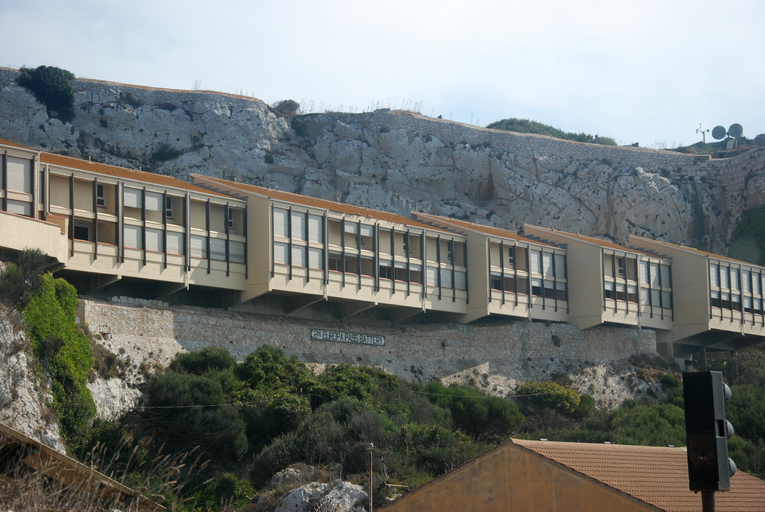
Coastal limestone plateau in southern Gibraltar with historic fortifications and wildlife.
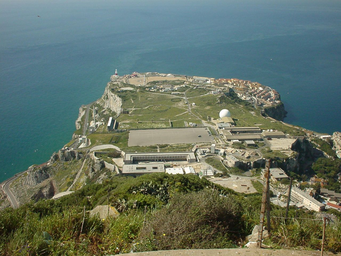
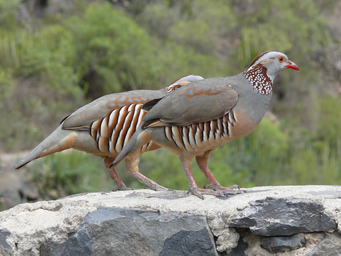
Windmill Hill, or Windmill Hill Flats, is a limestone plateau forming part of the Southern Plateaux at Gibraltar’s southern end. Once shoreline shaped by marine erosion and uplift, it later gained strategic importance with fortifications, artillery batteries, barracks, a NATO communications centre, and now hosts HM Prison Windmill Hill and significant wildlife.
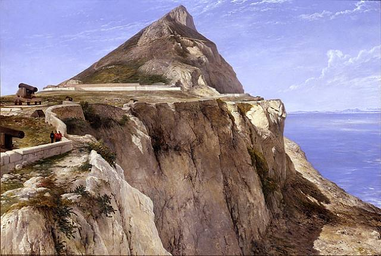
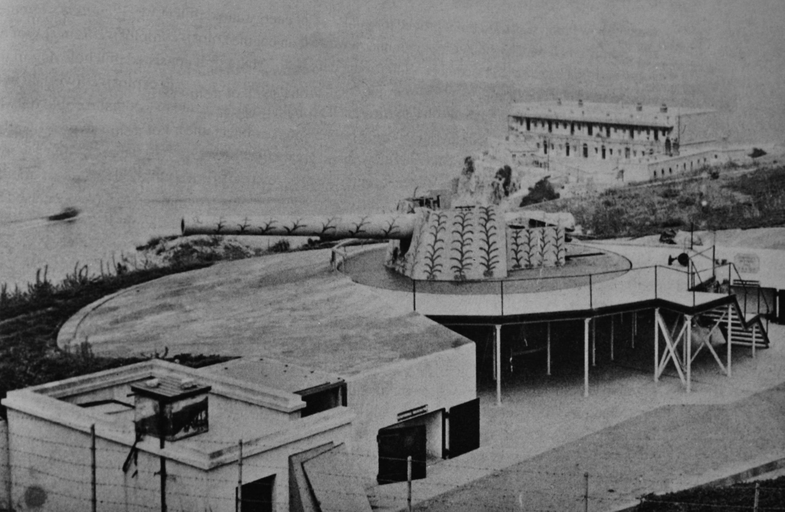
Windmill Hill, also known as Windmill Hill Flats, is one of the Southern Plateaux at the southern end of Gibraltar, just south of the Rock of Gibraltar, which descends steeply to it. The plateau slopes gently from about 120 metres at its north end to about 90 metres at the south, covering roughly 19 hectares, of which around 6 hectares at the north are built over. Its cliffs were cut by marine erosion when it lay on the shoreline, before tectonic uplift moved the coast outward to the edge of what is now Europa Flats, the second plateau below, which is ringed by sea cliffs. The area has long held military importance. It was fortified in the 1770s before the Great Siege of Gibraltar and later equipped with a series of artillery batteries supporting lower defences on Europa Flats. Lathbury Barracks and a NATO communications centre were constructed there in the twentieth century, and the Royal Gibraltar Regiment uses nearby terrain for training. Windmill Hill Signal Station is used by the Royal Navy. Civil uses include the historic Jews’ Gate Cemetery and HM Prison Windmill Hill, opened in 2010, built after many years of prisoners being held in the Moorish Castle.