Historic stone vessel production cave near Jerusalem, Israel.
Stone vessels' cave on Mount Scopus near Jerusalem is an archaeological site used for quarrying and producing stone vessels from the 1st century BCE to CE. Discovered during road construction in 1999, it features two caves with workshops and discarded vessel fragments dating to the Second Temple period.
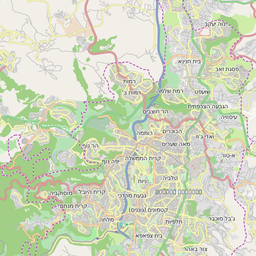
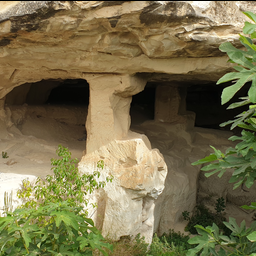
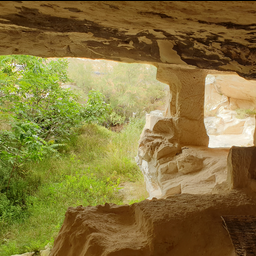
The Stone vessels' cave is an archaeological site located on the eastern slope of Mount Scopus near Jerusalem, Israel. Discovered during road construction in 1999, it consists of two interconnected caves used for quarrying and producing stone vessels during the Second Temple period (first century BCE to first century CE). The complex includes a courtyard and several chambers within each cave, with the lower cave covering an area of 4000 square meters and the upper cave about 1000 square meters. Archaeologists found discarded stone vessel fragments, oil lamps, and pottery dating from the late Hasmonean period to the First Jewish Revolt in 70 CE. Additionally, remains of ossuaries were discovered, suggesting that this site was also used for ossuary production. The caves provide insight into Second Temple Judaism's purity laws, which dictated the use of stone vessels over pottery due to their perceived resistance to impurity. Despite being ruined, the site remains open to public access and is a significant archaeological discovery in Jerusalem.