Archaeological site in Israel with a 54,700-year-old modern human skull.
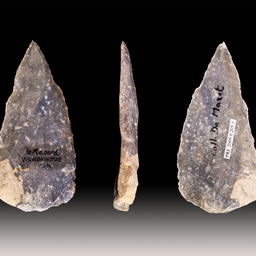
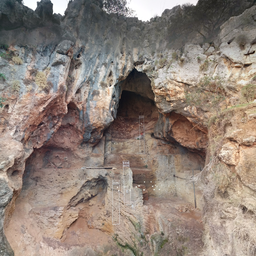
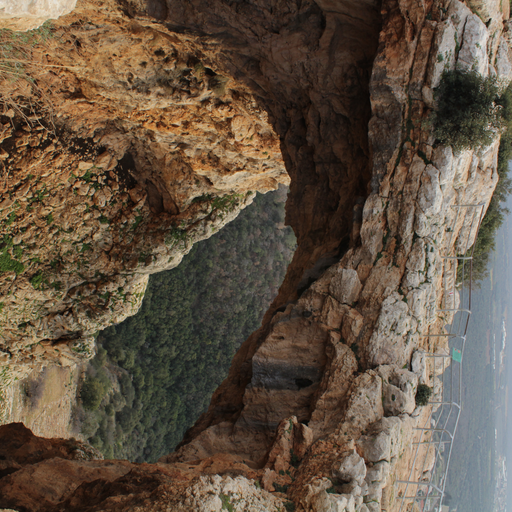
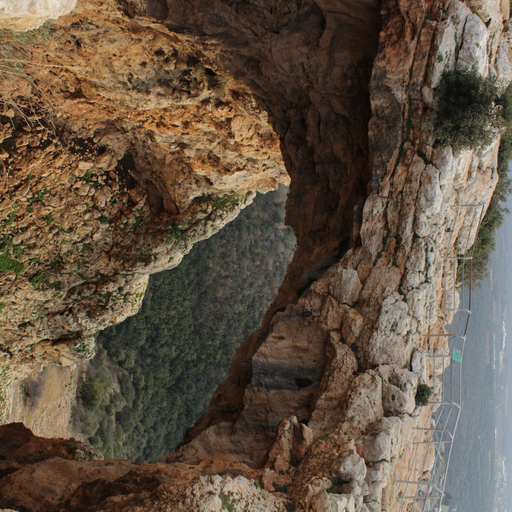
Manot Cave, discovered in 2008 in Western Galilee, Israel, is a karstic cave with significant archaeological finds. Notably, it contains a 54,700-year-old modern human skull, providing evidence of early migration out of Africa and coexistence with Neanderthals. Excavations reveal artifacts from the Ahmarian and Levantine Aurignacian cultures.
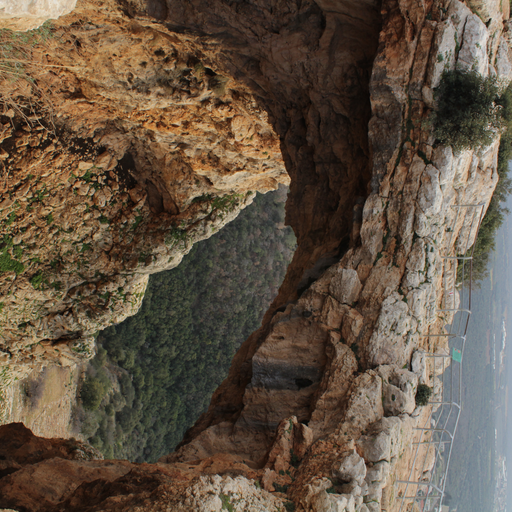
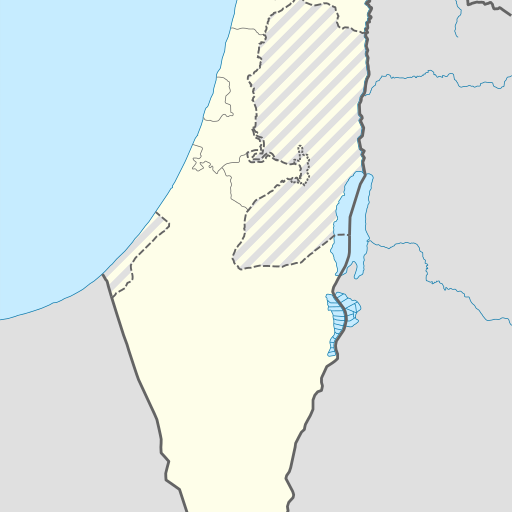
Manot Cave is a significant archaeological site in Western Galilee, Israel, discovered in 2008. It gained prominence due to the discovery of Manot 1, a partial skull belonging to an anatomically modern human estimated at 54,700 years old through uranium-thorium dating. The cave's location near Haifa and its geological formation as a karstic structure make it unique. Excavations from 2010 to 2017 uncovered numerous artifacts including flint tools, animal bones, and teeth, providing insights into early human life in the region. Notably, Manot Cave offers evidence of coexistence between modern humans and Neanderthals around 55,000 years ago, challenging previous theories about their interactions. The site also features extensive stalactite formations, indicating its geological activity over millennia. Artifacts suggest continuous occupation from the Mousterian period through to the Levantine Aurignacian era, spanning approximately 46,000 to 33,000 years ago. These findings contribute significantly to our understanding of early human migration and cultural development in Southwest Asia.