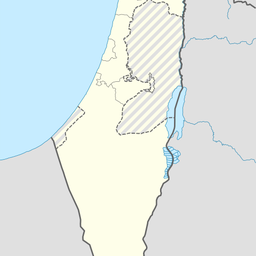
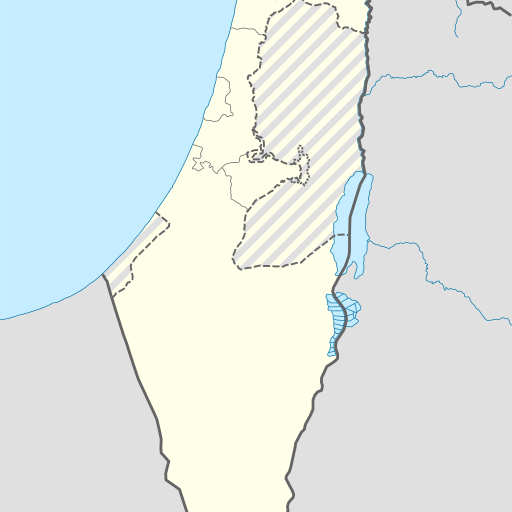
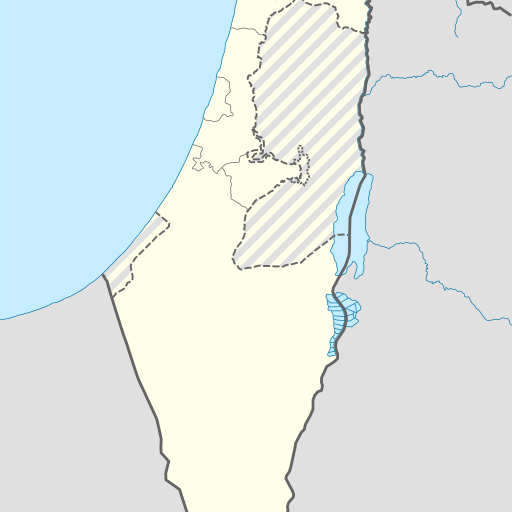
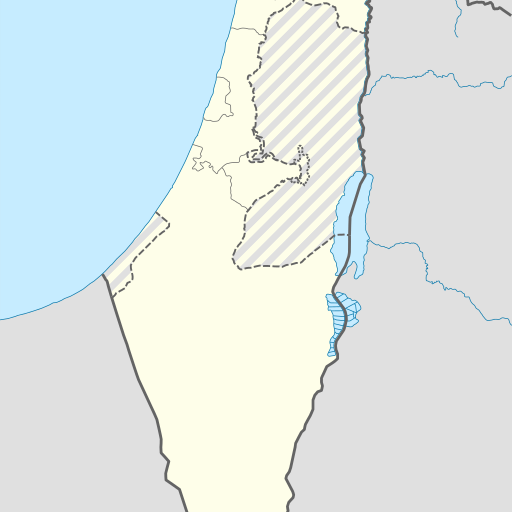
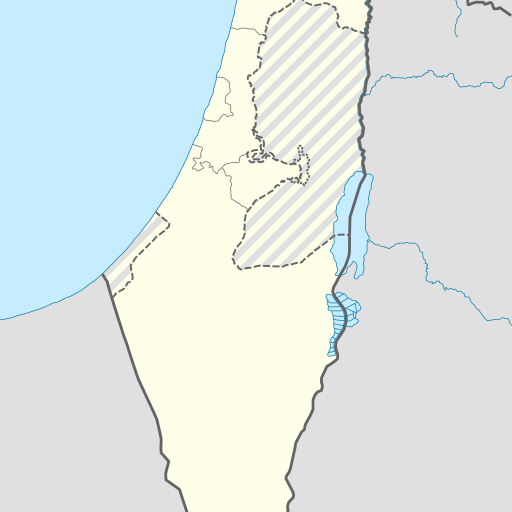
Cave in Israel's Northern District, Yizre'el region.
Historic cave in the Northern District of Israel, located near Bet She'an. Established and managed as a protected site, it is situated on a hill overlooking Har Malkishua at an elevation of 368 meters above sea level. The cave attracts approximately 116 people per square kilometer, making it a moderately populated area. The climate is Mediterranean with hot summers and mild winters.
Malkishua cave, also known as Me‘arat Malkishua, is a significant archaeological site located in the Northern District of Israel. Situated at an elevation of 368 meters above sea level near Bet She'an, it lies within the Yizre'el Valley. The cave's surroundings feature rolling hills and plains, with Har Malkishua to the south-southwest. Malkishua cave is part of a larger network of archaeological sites in the region, which includes numerous springs and ancient ruins. The area around the cave has been inhabited for millennia, making it an important site for understanding Israel's historical and cultural development. Excavations have revealed artifacts from various periods, including the Iron Age and Roman times. The cave itself is not open to public tours but remains a subject of academic interest due to its archaeological significance. Its location in a region with diverse geological formations makes it a valuable resource for researchers studying ancient human activity and environmental changes. The surrounding landscape features fertile agricultural land and historic towns, contributing to the area's rich cultural heritage. The climate around Malkishua cave is characterized by hot summers and mild winters, typical of the eastern Mediterranean region. Annual precipitation averages about 467 millimeters, with most rainfall occurring during winter months. This semi-arid environment supports a mix of agricultural activities and natural vegetation, including grasslands and scrubland. Malkishua cave's strategic location near ancient trade routes and settlements makes it an essential site for understanding the history and development of this region in Israel.