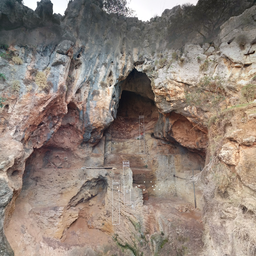
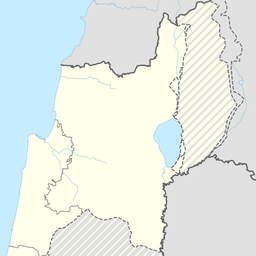
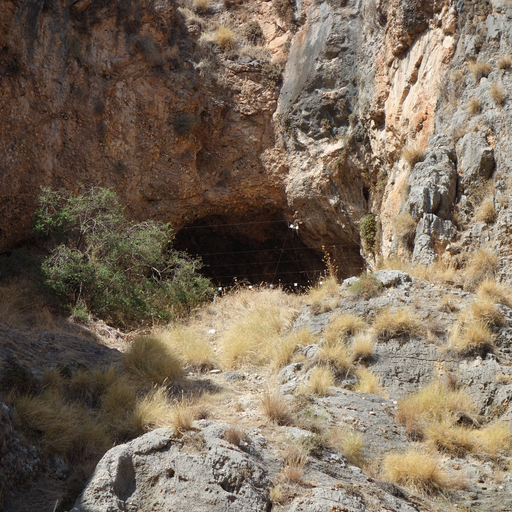
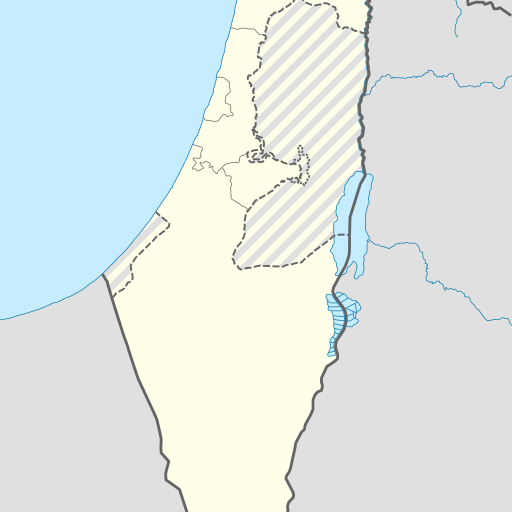
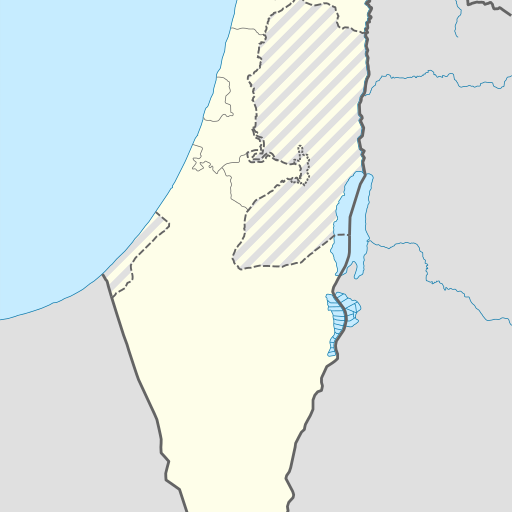
Cave in Israel's Northern District, Kinneret region.
Cave located in the Northern District of Israel, known as Me'arat Shovakh. It is near Tiberias and has been a significant archaeological site with finds dating back to the Middle Palaeolithic period, including a Neanderthal molar discovered in 1962. The cave is notable for its numerous openings towards the valley and its rich fossil record of animal bones.
Me'arat Shovakh is a significant archaeological and paleoanthropological site in northern Israel, located near Tiberias. The cave sits on the western slope of Wadi ʿAmmud, approximately ten kilometers north of Tiberias and about half a kilometer from Amud Cave. Discovered in 1959 by Francis Clark Howell, it is renowned for its rich fossil deposits and archaeological artifacts. The cave's entrance is situated around 20 meters above the valley floor, with numerous openings leading into the interior. In 1962, Sally Binford led an excavation that uncovered thousands of stone tools and animal bones from various periods. Notably, a Neanderthal molar was discovered in undisturbed layers near these artifacts. Erik Trinkaus later identified this molar as belonging to a young individual who died around the age of 18-20 years old based on its pristine condition and lack of dental decay. The tooth is crucial evidence for understanding Neanderthal presence in southern regions, alongside other sites like Amud Cave, Tabun Cave, Kebara Cave, Skhul Cave, and Shuqba Cave. In 2019, deeper layers within the cave were dated using optically stimulated luminescence (OSL) techniques to around 45,500 years ago. This dating provides valuable insights into Middle Paleolithic settlement patterns in the Amud drainage area of Israel. Me'arat Shovakh remains an important site for studying Neanderthal life and migration patterns in the Levant region.