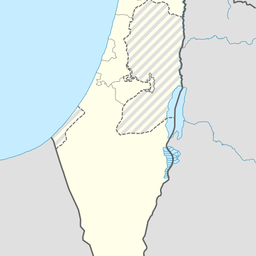
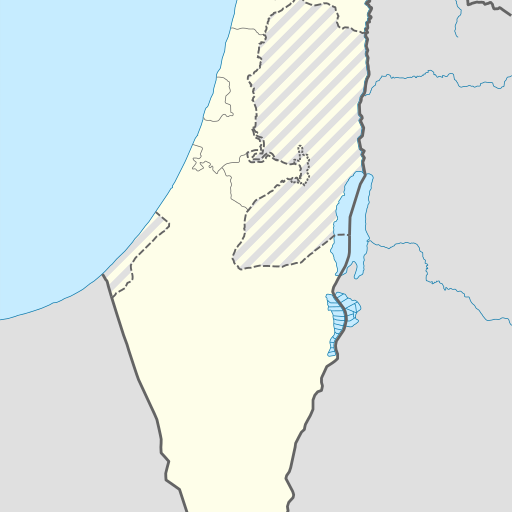
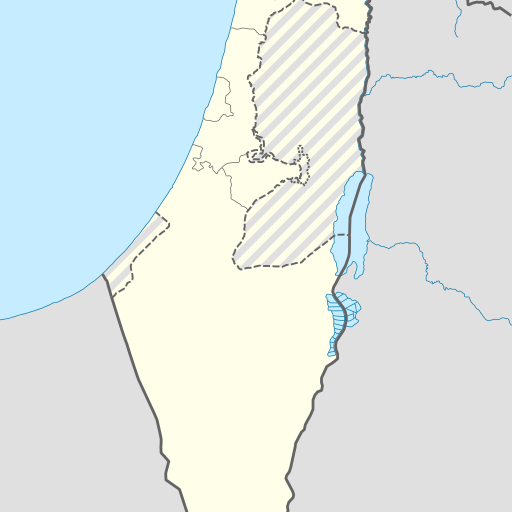
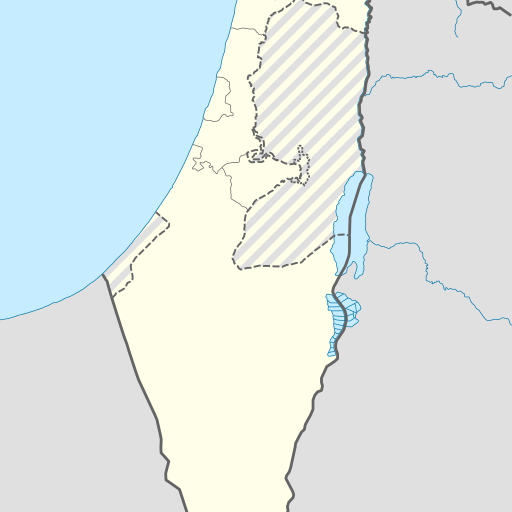
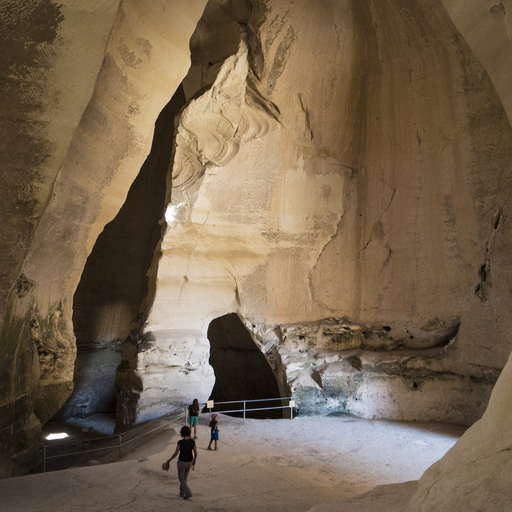
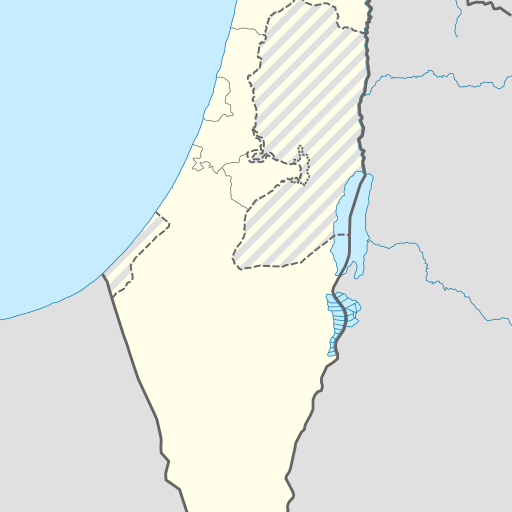
Cave in Jerusalem, Israel, with archaeological significance.
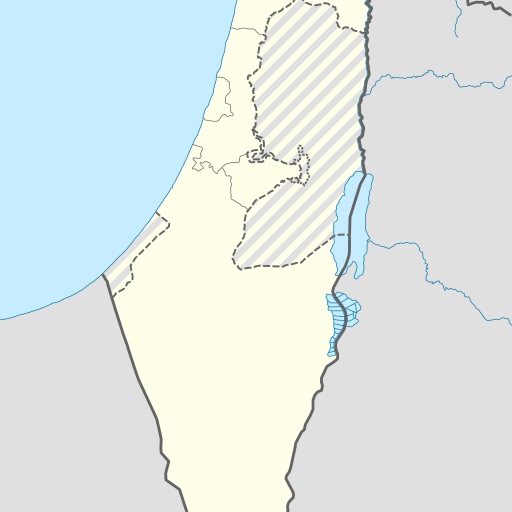
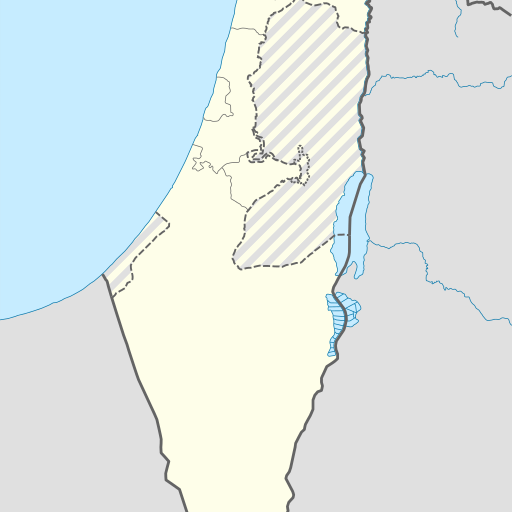
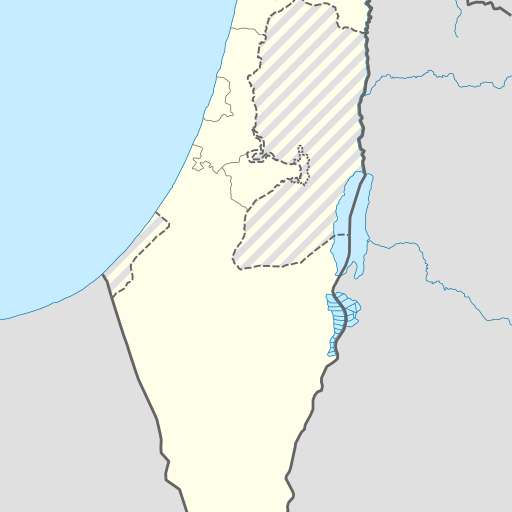
Cave in Jerusalem District, Israel. Located in the administrative territorial entity Jerusalem District, Me‘arot Shua‘ is 381 meters above sea level. The cave covers an area of 967 square meters and has a population density of 530 people per square kilometer. The climate is Mediterranean with average temperatures ranging from 10°C in January to 41°C in July.
Me‘arot Shua‘ is a cave located in the Jerusalem District of Israel, approximately 381 meters above sea level. The site is situated near Bet Shemesh and features diverse topography with flat areas to the south-west and hills to the north-east. The climate is Mediterranean, with average temperatures ranging from 21°C annually and monthly variations between 5°C in January and 31°C in July. Annual precipitation averages around 820 millimeters, peaking in February at 161 mm and dropping to just 6 mm in August. The cave is part of a larger geological formation that includes forests and other caves. The surrounding area has a high population density, with approximately 530 people per square kilometer. Me‘arot Shua‘ is significant for its natural features and archaeological potential, though specific details about its historical or cultural significance are not provided in the available information. The cave's location near Jerusalem makes it accessible to visitors interested in exploring Israel’s geological and archaeological sites. While there is no detailed management or conservation status mentioned, the area benefits from nearby infrastructure and tourism facilities. The region around Me‘arot Shua‘ offers a mix of urban and rural landscapes, providing a unique setting for both scientific study and recreational activities. The cave's precise historical context and current usage are not extensively documented, but its geological features make it an important site for researchers studying the area’s natural history and geology.