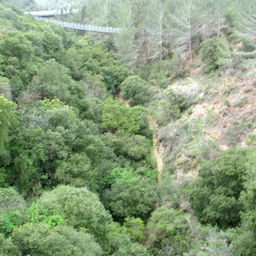
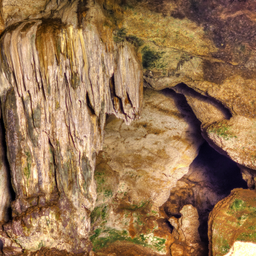
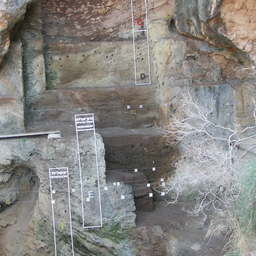
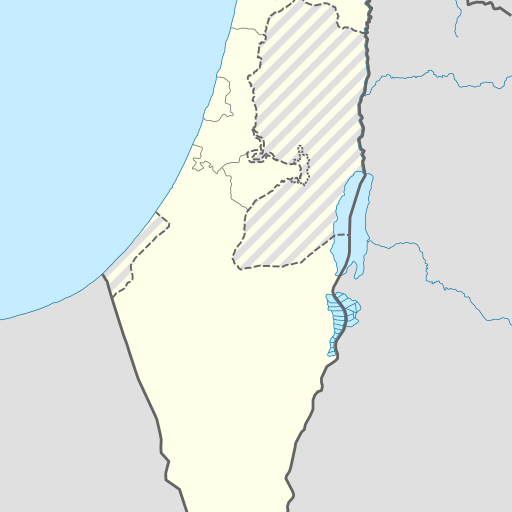
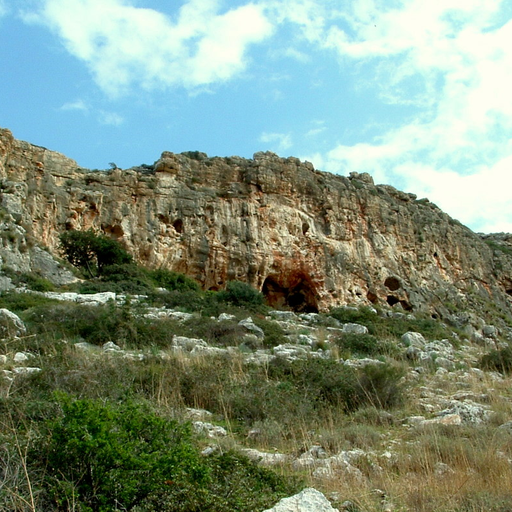
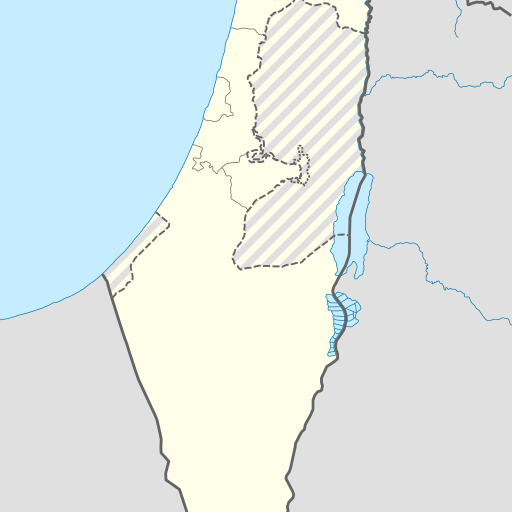
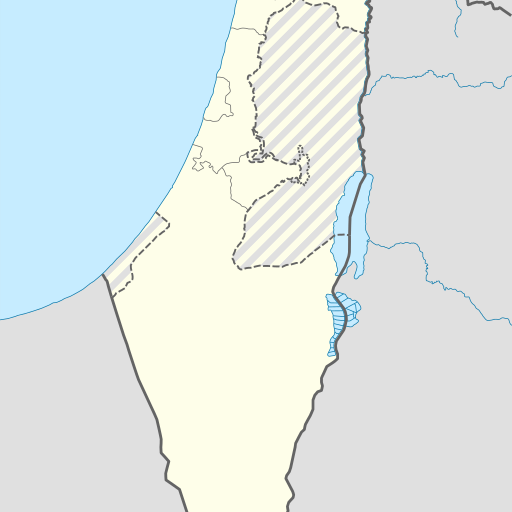
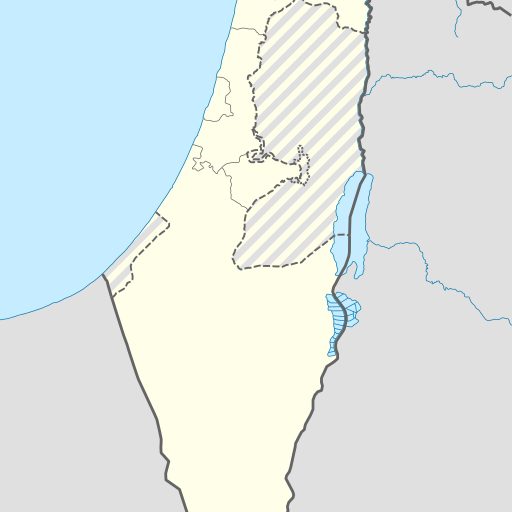
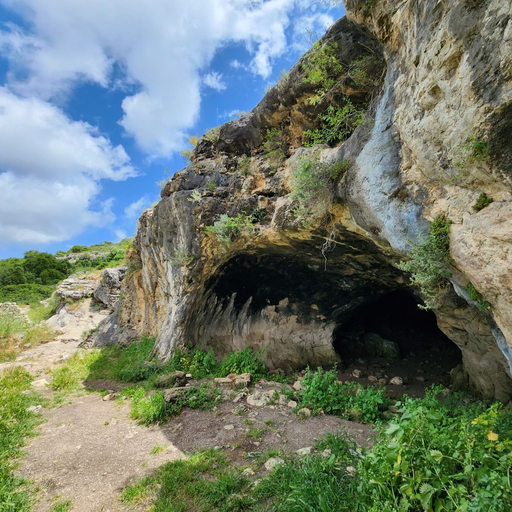
Cave in Haifa District, Israel, with two entrances and archaeological excavations.
Sefunim Cave is a stalactite cave in the Carmel Mountains, Israel. It contains archaeological remains from prehistoric periods and evidence of historical use by local communities. The cave features extensive dripstone formations and small stone tools dating back to the Natufian era.
Sefunim Cave is a stalactite cave located in the Carmel Mountains, Israel. Situated on the southern side of Sefunim Stream, it features an entrance 15-20 meters above the streambed and extends about 50 meters in length. The cave contains large blocks of chalk with concentrations of rodent fossils dating back to the Turonian period. Early archaeological excavations revealed tools from the Mousterian, Natufian, and Neolithic periods, as well as evidence of later historical use. The main chamber houses numerous stalactites and stalagmites, including a small stone vessel from prehistoric times. Excavations led by archaeologists Moshe Stekelis in 1941 and Abraham Ronen between 1965-1970 uncovered artifacts spanning various prehistoric cultures. Additional sites nearby include remnants of Neolithic structures and collapsed caves with animal bones and flint tools. The cave's Arabic name, 'Arq al-Barud (Cave of the Explosion), reflects local herders' practice of using explosions to dislodge bats nesting inside. Nearby is a karstic cave featuring five entrances at 16 meters below ground level, containing collapsed remains with prehistoric animal bones and flint artifacts. Sefunim Cave's significance lies in its rich archaeological record and unique geological formations, making it an important site for understanding human occupation and environmental changes over millennia.