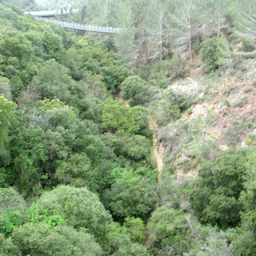
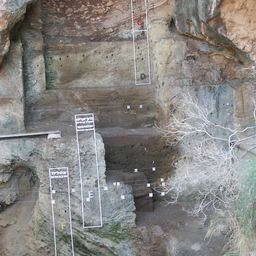
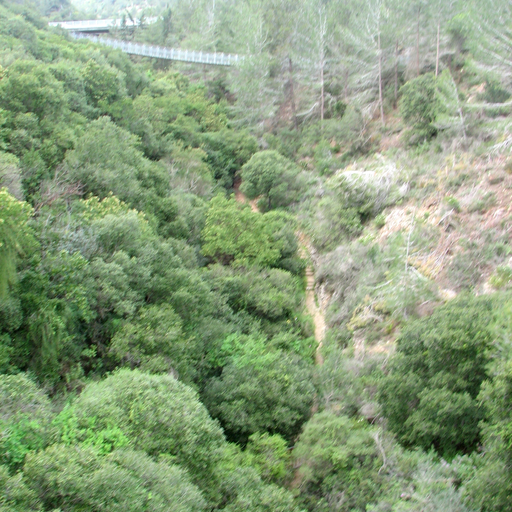
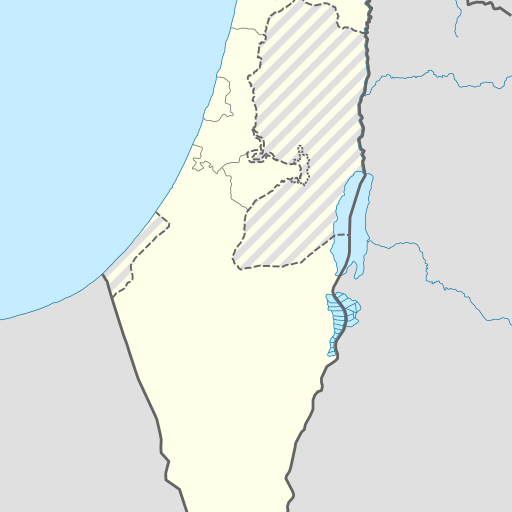
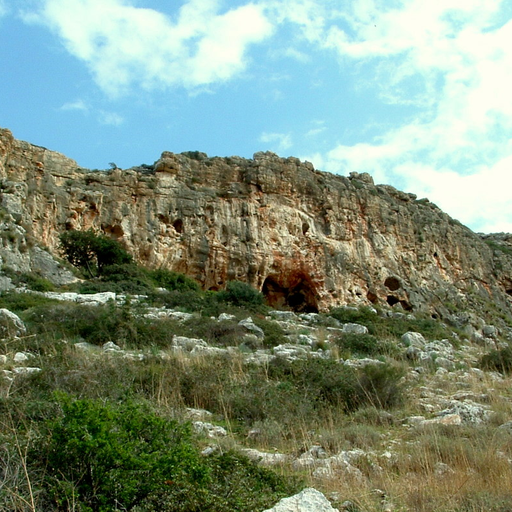
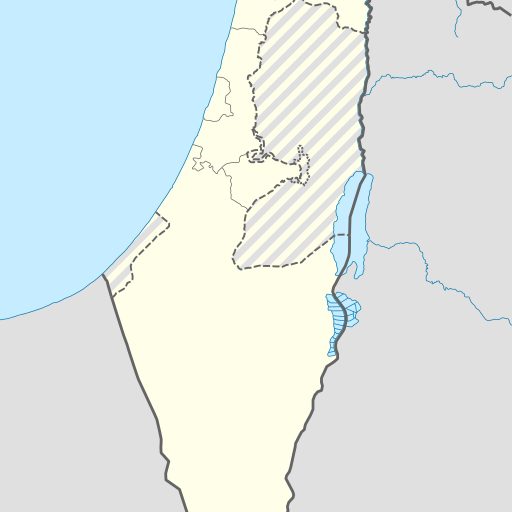
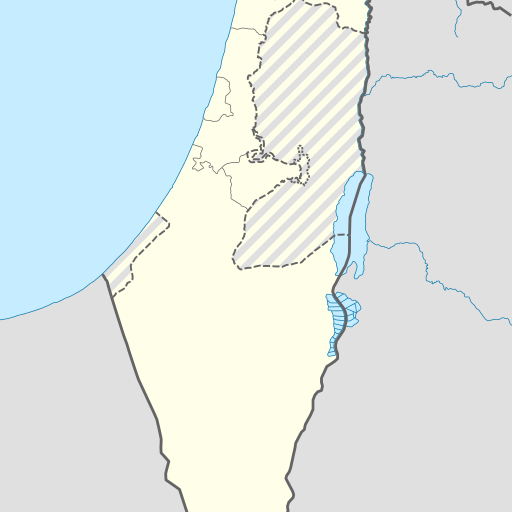
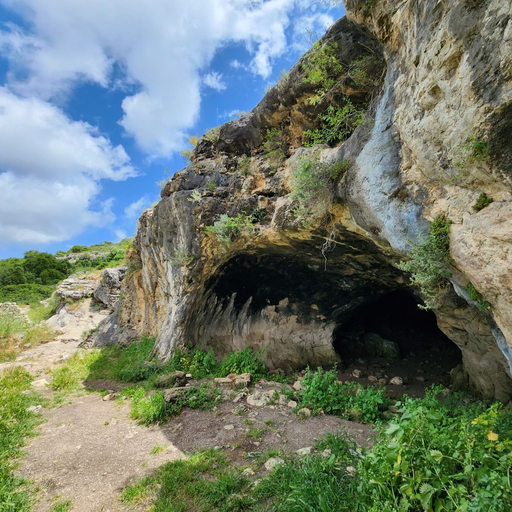
Cave in Haifa District, Israel with two entrances and archaeological excavations.
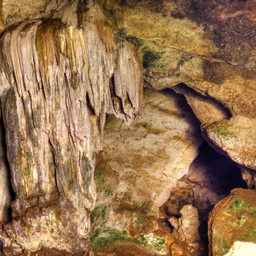
Sefunim Cave is a stalactite cave in southern Wadi Sefunim, Mount Carmel, Israel. It features a 12-meter-wide arch and contains prehistoric artifacts from the Mousterian to Neolithic periods. Archaeological excavations have uncovered tools and bones dating back thousands of years.
Sefunim Cave is a stalactite cave located in the Carmel Mountains, Israel. It lies on the southern side of Sefunim Stream and features an entrance 15-20 meters above the streambed. The cave extends about 50 meters with a large main chamber containing numerous stalactites and stalagmites. Early archaeological excavations revealed artifacts from the Mousterian, Natufian, and Neolithic periods. Initial exploration in 1941 by Moshe Stekelis uncovered stone tools and animal bones dating back to the Paleolithic era. Further digs between 1965-1970 under Abraham Ronen unearthed additional prehistoric remains. The cave's entrance leads into a large chamber with impressive formations, including a vaulted ceiling and numerous dripstones. Inside, researchers found evidence of human habitation from various ancient cultures. A small stone basin near the back suggests water collection activities during early settlement periods. The surrounding area includes other archaeological sites with remnants of prehistoric structures and tools. Nearby is a karst cave known as the Ion Cave, featuring five entrances at varying depths. Excavations here have uncovered additional Paleolithic artifacts and animal bones. The site also hosts diverse wildlife, including bats and small mammals. Nearby cliffs support dense vegetation and provide shelter for various bird species. Sefunim Cave remains an important archaeological site offering insights into early human life in the region. Its unique geological formations and rich cultural history make it a significant destination for researchers and visitors alike.