Historic cave in Northern Israel's Galilee region.
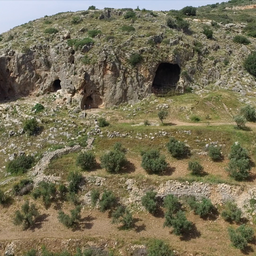
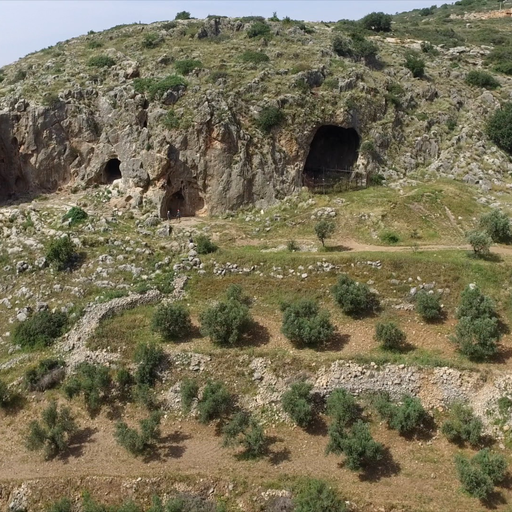
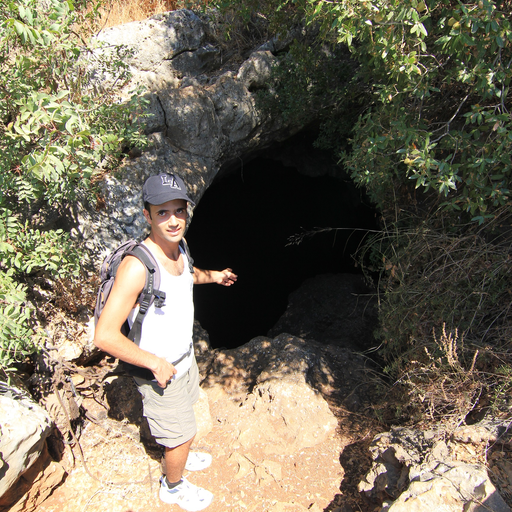
HaYonim Cave is a limestone cave in Upper Galilee, Israel, occupied during the Middle Paleolithic and Natufian periods. It features Mousterian tools, hearths, and early art including wall carvings of animals dating back 40,000 years.
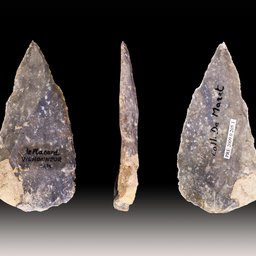
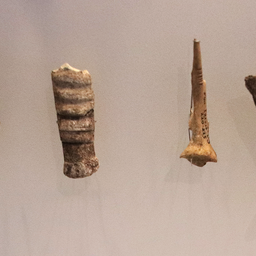
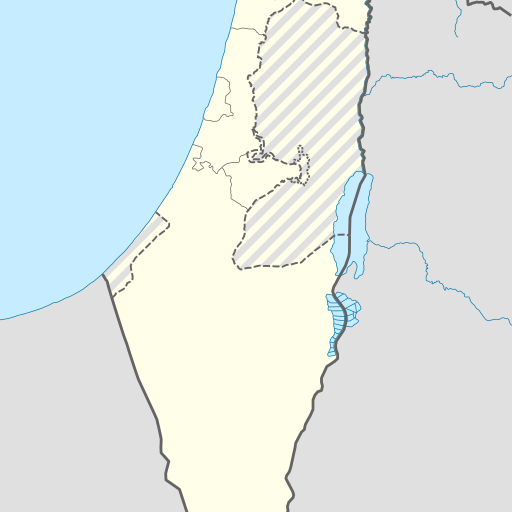
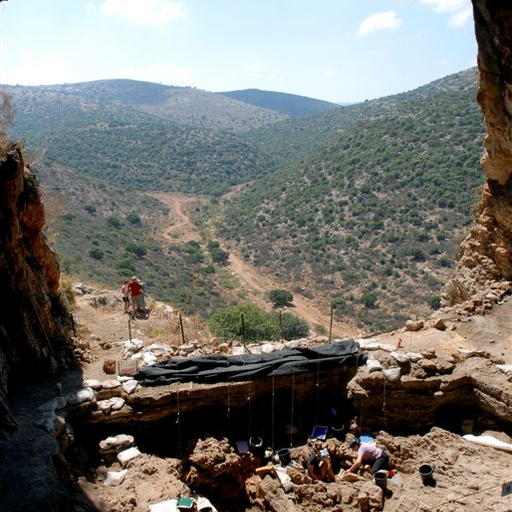
HaYonim Cave is a significant archaeological site located in the Upper Galilee region of northern Israel, within the Northern District administrative area. The cave sits atop a limestone bluff at an elevation of approximately 820 feet above sea level and has been extensively studied for its rich Paleolithic history. Occupation of HaYonim Cave dates back to the Middle Paleolithic period, around 250,000 years ago, characterized by Mousterian tool industries. Later, during the Epipaleolithic Natufian culture around 12,000 years ago, the cave saw further habitation. Excavations have uncovered numerous artifacts including flint tools, bone implements, and wall carvings depicting symbolic shapes and animals. Notable finds include a carved horse dating to between 40,000-18,500 BP, now housed in the Israel Museum. The Natufian occupation featured circular rooms with prepared floors and hearths, alongside burial sites within abandoned living spaces or outside inhabited areas. These discoveries provide crucial insights into early human settlement patterns and cultural developments in the Levant. The cave's stratified layers offer a unique timeline of prehistoric life, making HaYonim Cave an important site for understanding regional archaeological sequences and technological advancements spanning tens of thousands of years.