Historic cave in Israel associated with prophet Elijah.
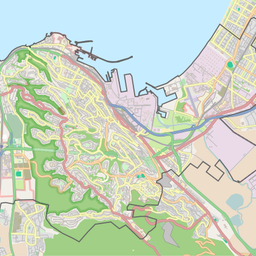
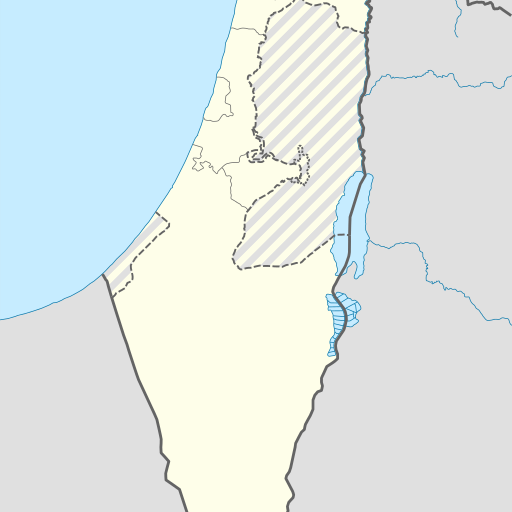
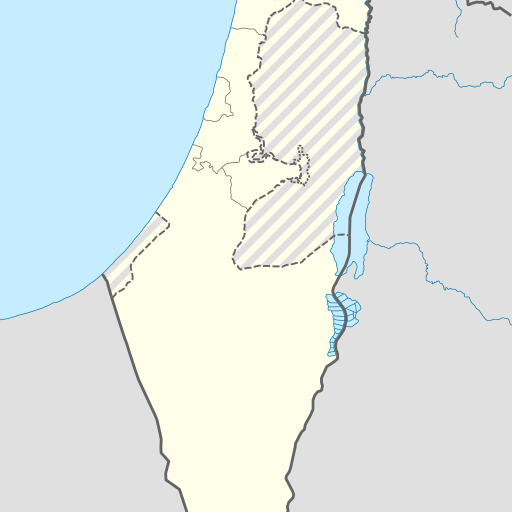
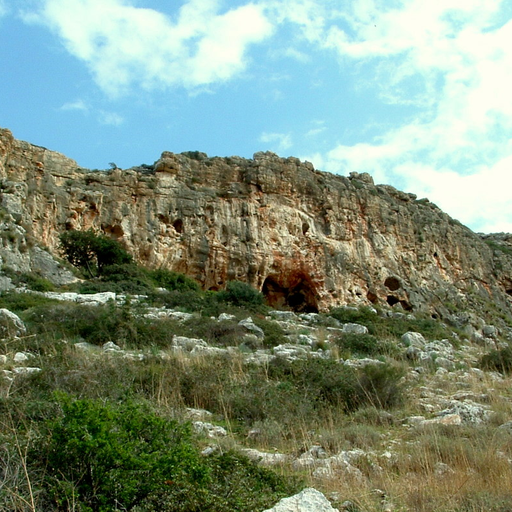
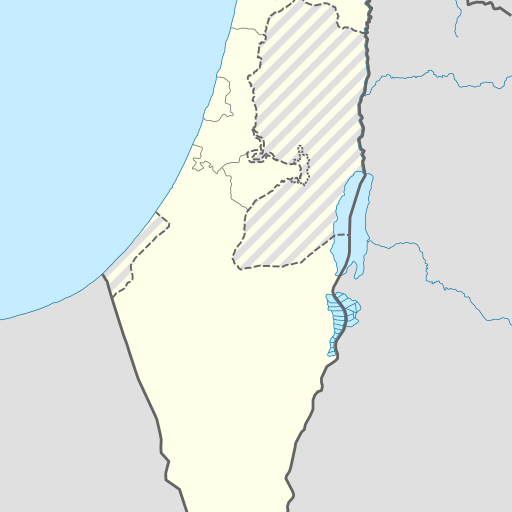
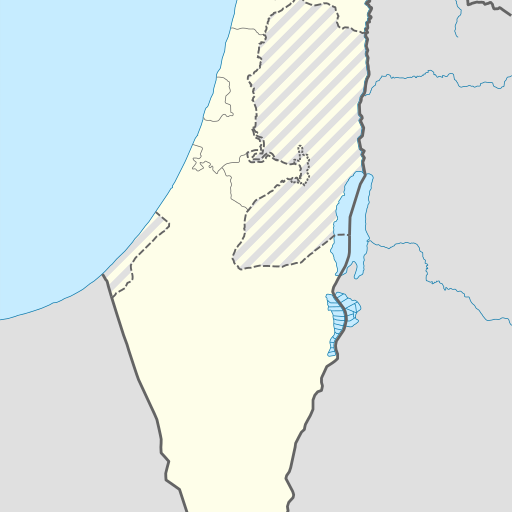
Historic cave in Israel associated with the prophet Elijah. Located on Mount Carmel near Haifa, it has been a pilgrimage site for Jews, Christians, Muslims and Druze for centuries. Two caves are traditionally referred to as "the Cave of Elijah", one at Allenby Road on Mount Carmel, and another under the altar of Stella Maris Monastery also on Mount Carmel.
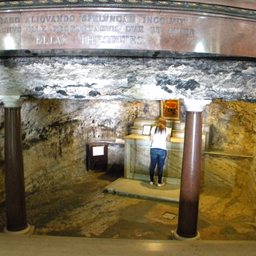
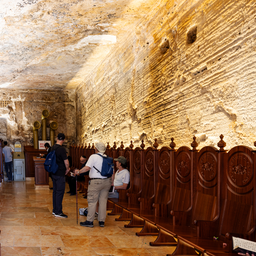
The Cave of Elijah is a revered grotto on Mount Carmel in Haifa, Israel. According to tradition, the prophet Elijah prayed here before challenging the priests of Baal and hid from Queen Jezebel's wrath. Two caves are associated with Elijah: one near Stella Maris Monastery and another on Allenby Road. The main shrine is a pilgrimage site for Jews, Christians, Muslims, and Druze, located 40 meters above sea level. It has been venerated since ancient times as a place of worship and miracles. Sick people visit hoping for healing, and it remains an important religious destination, especially during the month of Av. The cave is divided into sections for men and women, with velvet curtains separating them. Inscriptions in Greek date back to the 1st or 2nd century CE, indicating early Christian pilgrimages. Archaeological evidence suggests the site was used as a place of worship by Egyptians during Roman times. The Druze regard it as holy, identifying Elijah as "Khidr," symbolizing water and life. Historically, Jewish pilgrims hung prayer shawls on the southern wall near what resembles an ark niche. Visitors often leave notes and light candles for healing and blessings. The cave's significance is tied to biblical narratives and continues to attract devotees seeking spiritual solace and divine intervention.