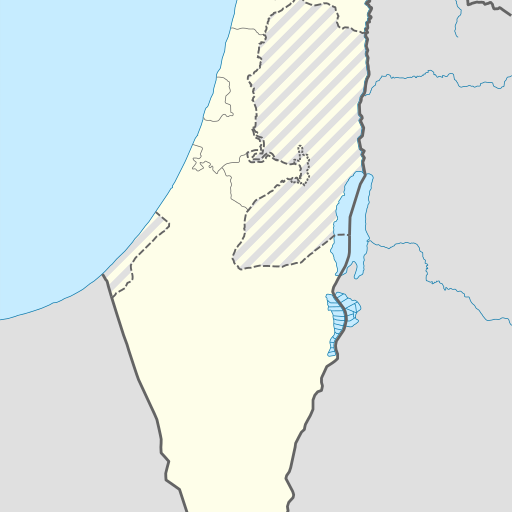
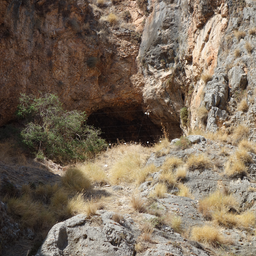
Amud cave

Israel_caves ISR ADM0·103 ADM1·1898 ADM2·24176
EN RU he
Description

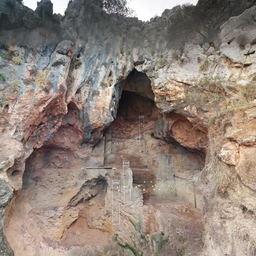
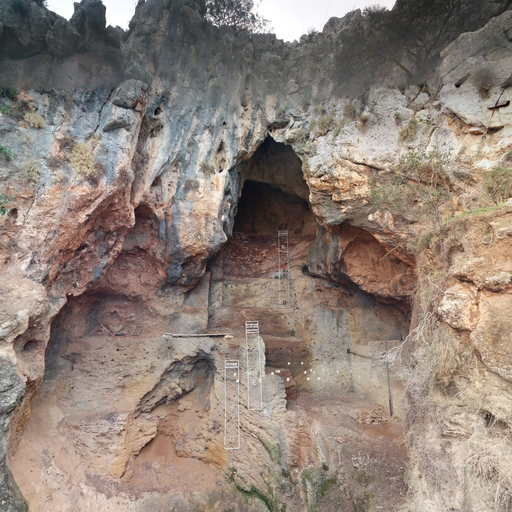
Historic Neanderthal cave in Israel's Northern District.

Historic cave in Israel's Northern District, Kinneret region, containing fossil Neanderthal remains. The most famous find is Amud 1, a nearly complete skeleton of an adult male Neanderthal dated to around 50-60 thousand years ago.

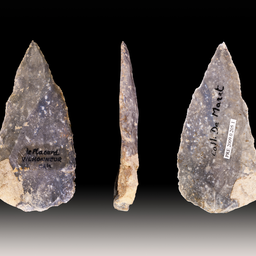
Amud Cave is a significant archaeological site in northern Israel, near the Wadi Amud river. Discovered in 1961 by Hisashi Suzuki, it has yielded numerous Neanderthal remains and Middle Paleolithic artifacts dating back 50,000 to 70,000 years. The most notable find is "Amud 1," a nearly complete adult male skeleton with the largest known hominin brain volume at 1740 cm³. Other important discoveries include "Amud 7," partial remains of an infant Neanderthal dating to around 45,000 years ago. The cave also contains evidence of early human habitation through stone tools and hearths. Recent studies have analyzed cut marks on animal bones from Amud Cave and nearby Kebara Cave, revealing distinct butchery techniques that suggest cultural differences in food processing between the two sites despite similar tool use and prey species. These findings contribute to our understanding of Neanderthal behavior and adaptations in the Levant region during the Middle Paleolithic era.
Photos (3)
Ratings
Fame: 61 Wow: 45 Ease of Access: 20 Physical Demand: 15 Safety: 30 Tourist Density: 25
Fame 61
Amud Cave is a significant archaeological site with substantial Wikipedia presence across multiple languages, reflecting its importance in Neanderthal studies and Middle Paleolithic research.
Wow 45
The cave's historical significance and the discovery of important Neanderthal remains make it noteworthy for archaeologists but not an awe-inspiring natural wonder.
Ease of Access 20
Located near Nahal Amud gorge in Upper Galilee, Israel; accessible via paved roads from nearby towns with standard tourist infrastructure available.
Physical Demand 15
Easy walk to reach the cave entrance; suitable for most visitors including those with limited mobility due to its proximity to main roads and lack of challenging terrain.
Safety 30
Situated in a generally safe region within Israel, though local political tensions exist nearby. No specific natural hazards or industrial risks are noted at this site.
Tourist Density 25
Known primarily among archaeologists and researchers; attracts few tourists due to its specialized interest and requires prior arrangement for access.
Location & Coordinates
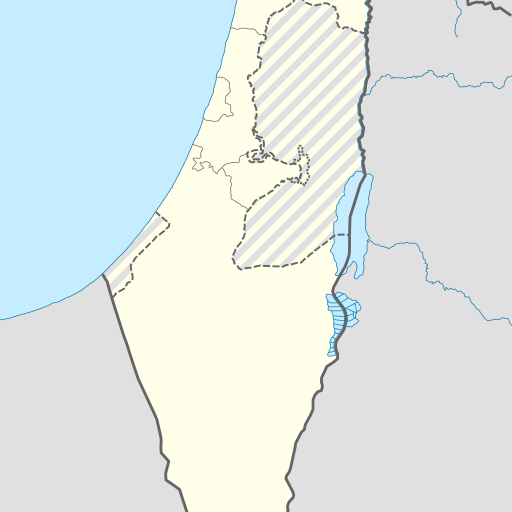
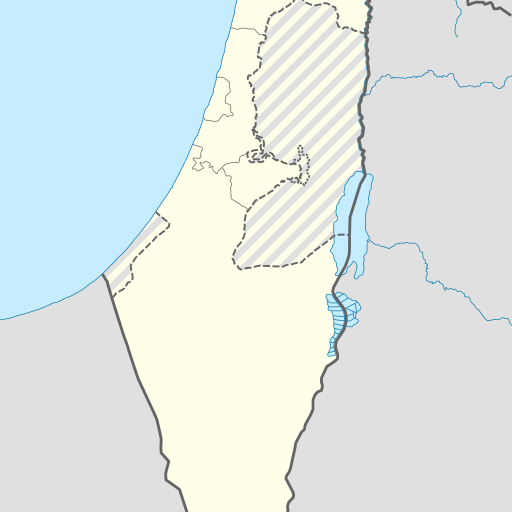
32.872271, 35.501676
Map
🗺 Show on Interactive Map
External Links
Nearby Points (8)