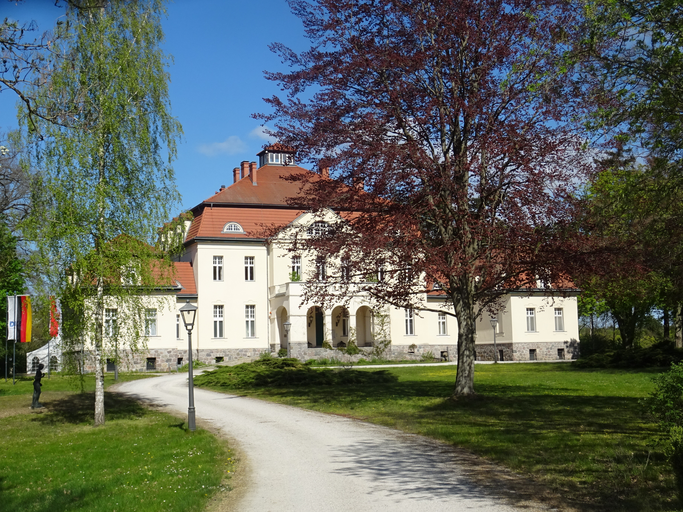
Deserted Slavic castle site on a peninsula in Brandenburg.
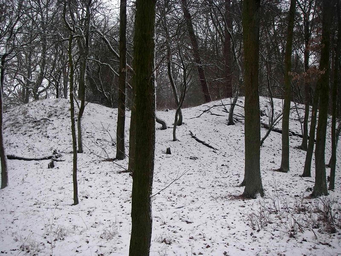
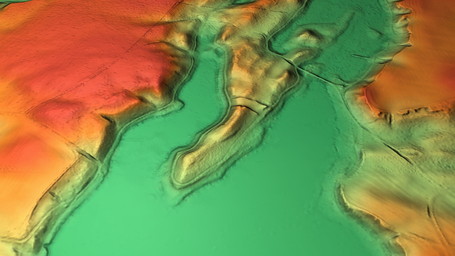
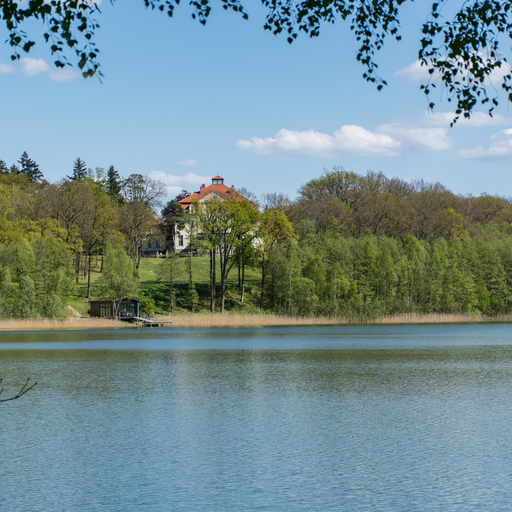
Burgwall Liebenberg is a deserted Slavic castle site located in the Löwenberger Land district of Brandenburg, Germany. Situated on a peninsula in the Großer Lankesee, it dates back to the 8th to 12th centuries and is recognized as a cultural heritage monument in Germany.
Burgwall Liebenberg is a deserted castle site located in the northern part of Brandenburg, Germany, within the district of Löwenberger Land. This site is recognized as a cultural heritage monument in Germany. The castle, also known as a Slavic Burgwall, dates back to the 8th to 12th centuries and is situated on a peninsula in the Großer Lankesee, a lake in the region. The site is characterized as a Niederungsburg, a type of lowland castle, and is referred to as a Burgstall, indicating that it is a site where a castle once stood but is now in ruins. Theodor Fontane, a notable German author, mentioned the site in his work "Wanderungen durch die Mark Brandenburg," suggesting that it served as a defensive point during the Wendish period and later as a German stronghold. The name "Burgberg" implies its historical significance as a fortified location. Although little is known about the early history of the village and castle of Liebenberg, it is believed that the site was initially used by the Ukrani tribe and later by Germans. The area is of archaeological interest, with potential for excavations to uncover more about its past.