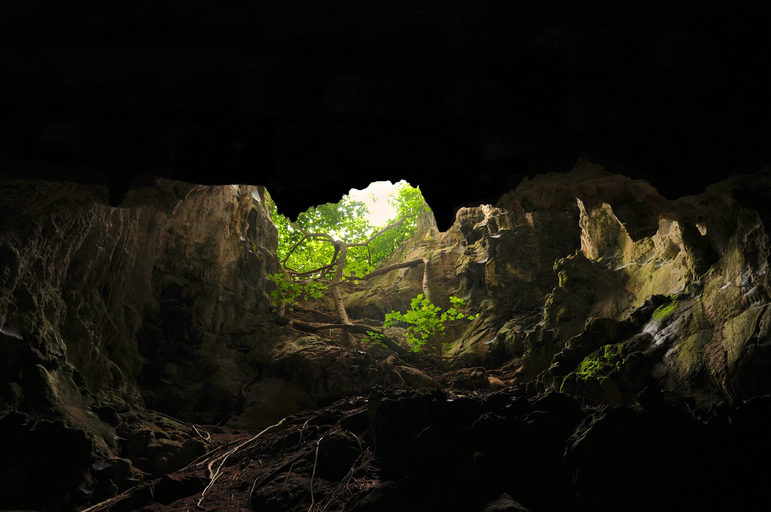
Limestone cave on Gibraltar’s eastern Rock, yielding Mousterian Neanderthal artifacts.
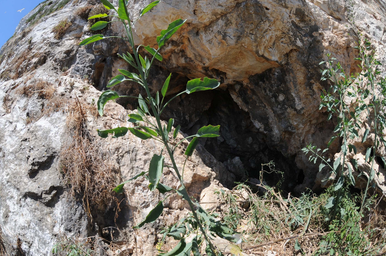
Ibex Cave is a limestone cave on the eastern face of the Rock of Gibraltar. Discovered in 1975, it yielded stone artifacts of Mousterian tradition linked to Neanderthals. Named after an ibex skull found inside, it was excavated and named by the Gibraltar Museum in 1994.
Ibex Cave is a limestone, solutional cave on the eastern face of the Rock of Gibraltar, within Gibraltar. It was discovered in 1975 and has since been documented in research resources such as NESPOS.org and academic works including Barton’s 1999 description and later publications. Archaeological investigations revealed stone artifacts of Mousterian tradition, indicating a Neanderthal association. The cave is named after the almost complete skull of an ibex, a wild mountain goat, found among numerous mammal bones and stone tools, many made from red jasper. These remains led researchers to identify the cave as a Neanderthal hunting station around 40,000 years ago, where ibex and other fauna, including the bearded vulture, were present. Ibex Cave was named and excavated by the Gibraltar Museum in 1994, following earlier sand extraction operations in the area that had exposed its entrance and produced the first finds. The cave lies near the top of former water catchments on the Rock’s eastern side. In 2018 it was included among the caves protected by Gibraltar’s Heritage and Antiquities Act, which recognizes the site as Palaeolithic and affords it legal protection within Gibraltar’s heritage framework.