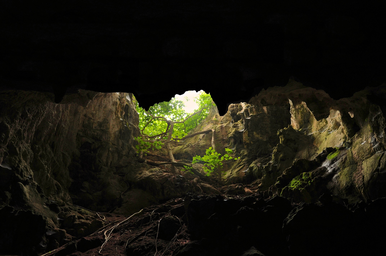
Limestone cave on Gibraltar’s east side, noted archaeological heritage site.
Holy Boy's Cave is a limestone cave on the eastern side of the Rock of Gibraltar, a British Overseas Territory. Discovered in 1711 by miners, it is considered archaeologically important and is listed under Gibraltar’s Heritage and Antiquities Act 2018, featuring nineteenth‑century graffiti linked to British regiments.
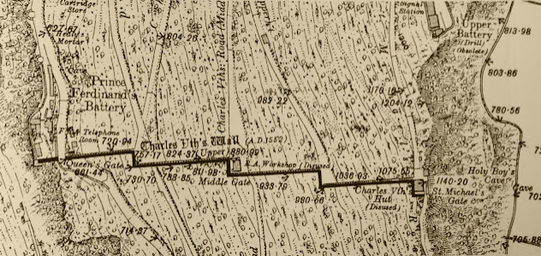
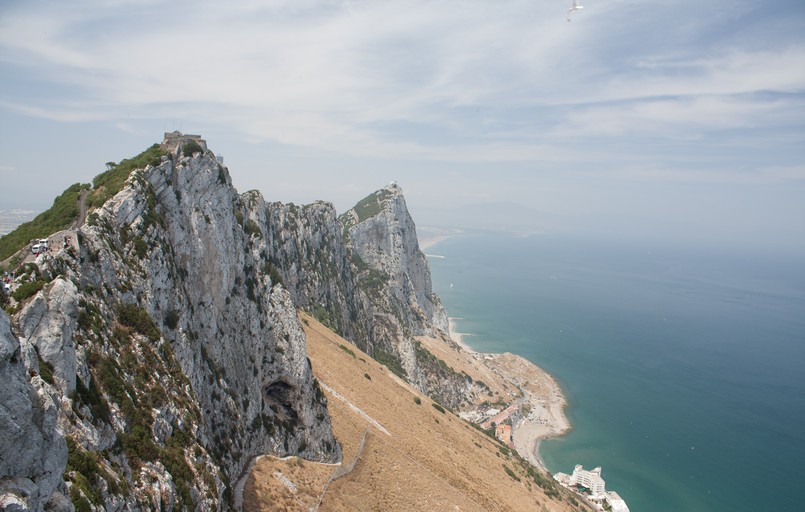
Holy Boy's Cave is a limestone cave on the east side of the Rock of Gibraltar, within the British Overseas Territory of Gibraltar. It is described as one of the largest of the many caves in Gibraltar and is located near Cave S at an elevation of about 300 metres. The cave was discovered in 1711 by miners of the corps while they were scarping the back of the Rock; its entrance had been concealed by undergrowth and reached through narrow, funnel‑shaped crevices. Inside, they reported stalactites, stalagmites, grottos, chambers and striking mineral formations described as concretions, some compared to snow or hoar‑frost and others of opal‑like transparency. The cave also contained bats and soil in recesses, though nothing was growing in it. It later served as a refuge for a Spanish goatherd, who was eventually expelled because of contraband activities. The name “Holy Boy's Cave” comes from the nickname “Holy Boys” applied to the regiment present in the 1880s, linked to graffiti from the IX Regiment of Foot on the cave walls. The Government of Gibraltar regards the cave as archaeologically important, and it was formally listed in the Heritage and Antiquities Act 2018.