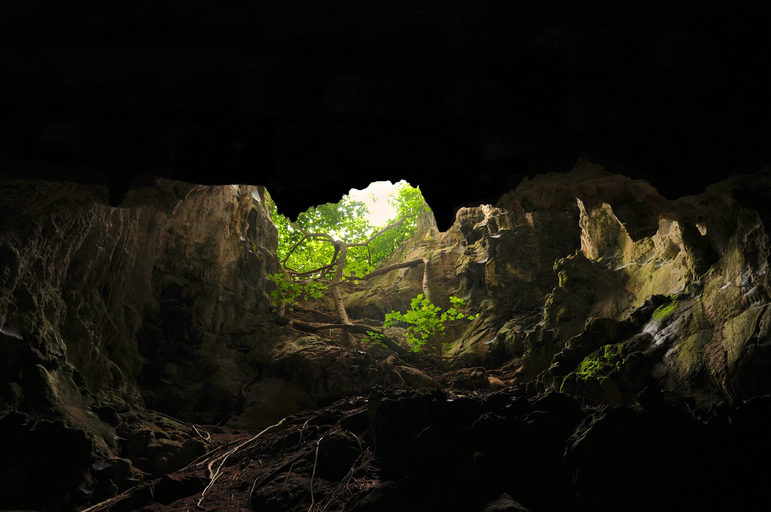
Limestone Palaeolithic cave on Gibraltar’s east face with prehistoric remains.
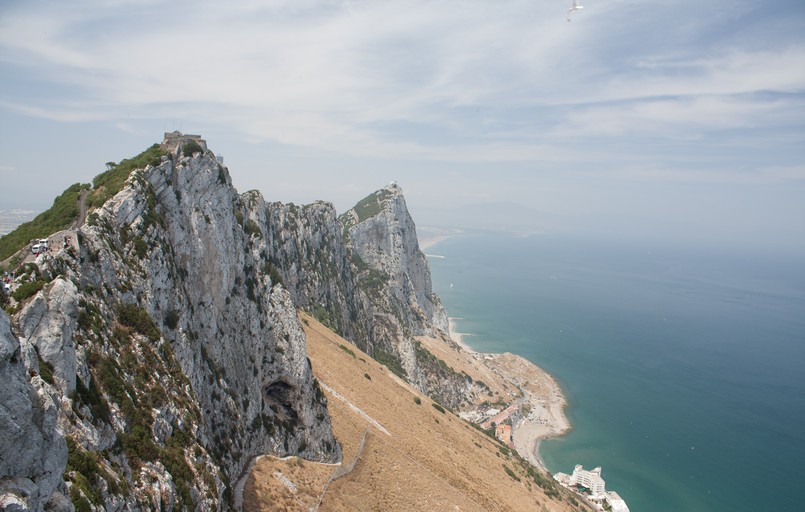
Cave S, or Sewell’s Cave, is a limestone cave on the eastern side of the Rock of Gibraltar, near Holy Boy’s Cave, about one mile from its north end. Discovered by Captain Sewell, it yielded prehistoric human remains in 1910 and is listed as a Palaeolithic site.
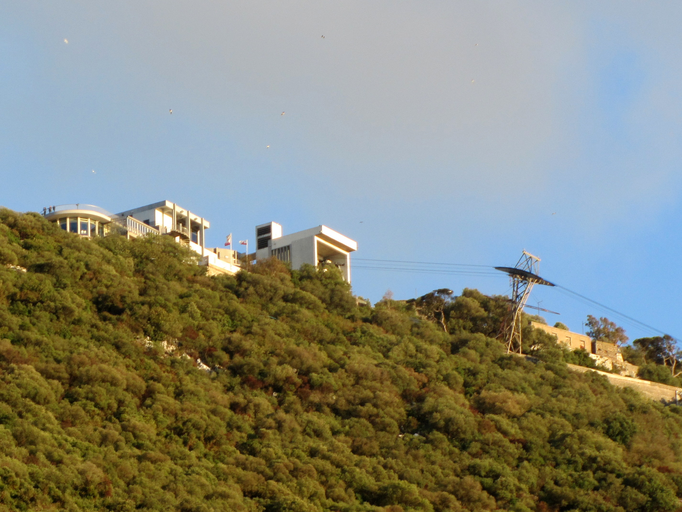
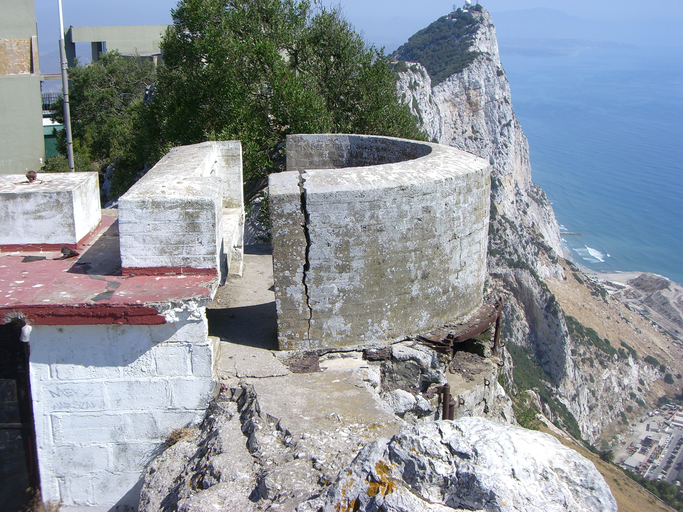
Cave S, also known as Sewell’s Cave, is a limestone solutional cave in the British Overseas Territory of Gibraltar. It lies on the eastern side of the Rock of Gibraltar, about one mile from the rock’s northern end, just above Holy Boy’s Cave. The cave entrance is recorded as around 800 feet above sea level and about 30 feet below the Great Gibraltar Sand Dune, which was once used to capture rainwater for Gibraltar’s main water supply. The cave was discovered by Captain Sewell, who also gave his name to Sewell’s Fig Tree Caves, now known as Goat’s Hair Twin Caves. A survey by Sir Charles Warren in 1864 documented its height. Evidence of marine life within the cave indicates that, despite its current elevation, it was once a sea cave, contributing to wider evidence of historic sea-level changes around Gibraltar. In 1910, Wynfrid Duckworth described the floor as sloping toward the entrance and covered with snuff-like soil, thought to be vegetable matter and bat guano. Excavations revealed prehistoric human remains, probably from one skull-less male skeleton with notably thick bones, along with pottery, stone implements, shell armlet, perforated cyprcea, charcoal, burnt bone, broken shellfish, and varied bird and mammalian fauna. In 2018, the Government of Gibraltar listed Cave S as a Palaeolithic site under the Heritage and Antiquities Act.