Ancient maritime landmark mythically flanking the Strait of Gibraltar entrance.
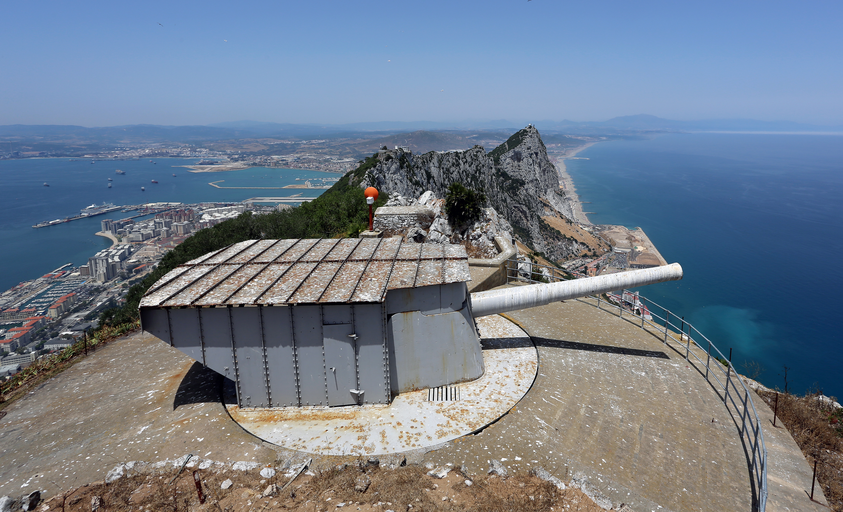
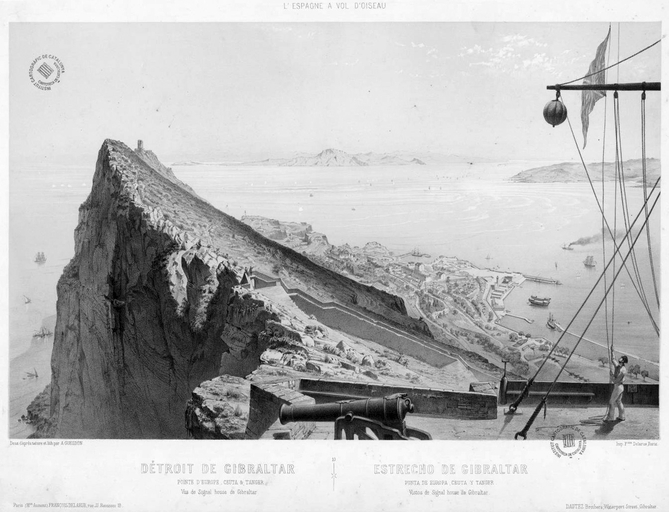
The Pillars of Hercules are the promontories flanking the entrance to the Strait of Gibraltar. In Classical antiquity authors like Pliny the Elder described them, identifying the northern Pillar with the Rock of Gibraltar and disputing whether the southern Pillar was Monte Hacho in Ceuta or Jebel Musa in Morocco.
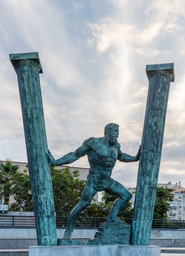
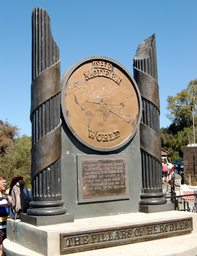
The Pillars of Hercules are the promontories that flank the entrance to the Strait of Gibraltar. In Classical antiquity the term referred to the limits of the Mediterranean, with Pliny the Elder including the Pillars in his Naturalis historia. The northern Pillar, called Calpe Mons, is identified with the Rock of Gibraltar. The southern Pillar, Abila Mons, has been disputed throughout history, with Monte Hacho in Ceuta and Jebel Musa in Morocco considered the most likely candidates. Greek mythology, adopted by Etruscans and Romans, links the Pillars to Hercules’ tenth labour, marking the far western extent of his travels. Ancient authors such as Pindar and Strabo described them as the “gates of Gades” and the furthest limits of seafaring. Some Roman sources relate that Hercules smashed or narrowed a mountain to form or constrict the strait, creating the paired heights later called the Pillars of Hercules. Other traditions associated “Pillars of Melqart” at a temple near Gades with the same concept, and Strabo reported claims that temple columns there were the true Pillars. The idea influenced later geography, mythology, and literature, including Plato’s placing of Atlantis beyond the Pillars and Syriac and Renaissance traditions about these legendary boundaries.