Prehistoric limestone sea cave on Gibraltar’s Rock, discovered in 1821.
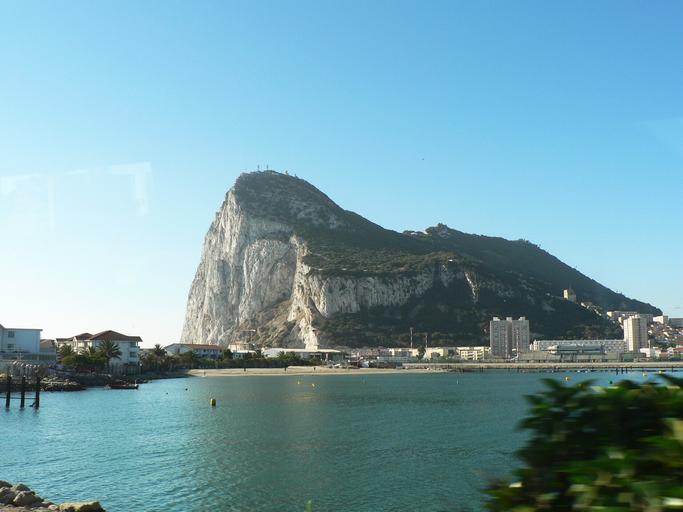
Martin’s Cave is a limestone sea cave on the eastern face of the Rock of Gibraltar, a British Overseas Territory. Discovered in 1821 by a soldier named Martin, it was later accessed via Martin’s Path. Excavations revealed human remains, pottery, stone tools, metal objects and medieval swords.
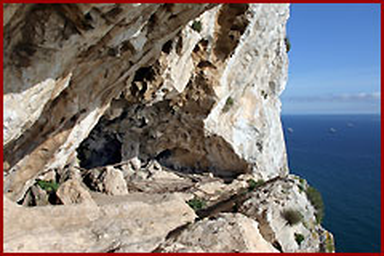
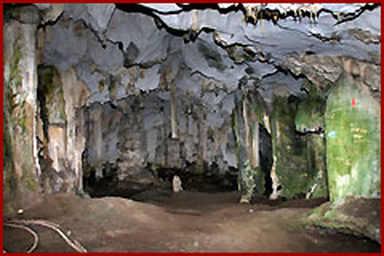
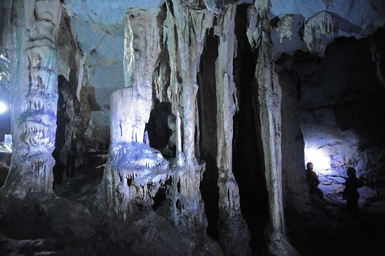
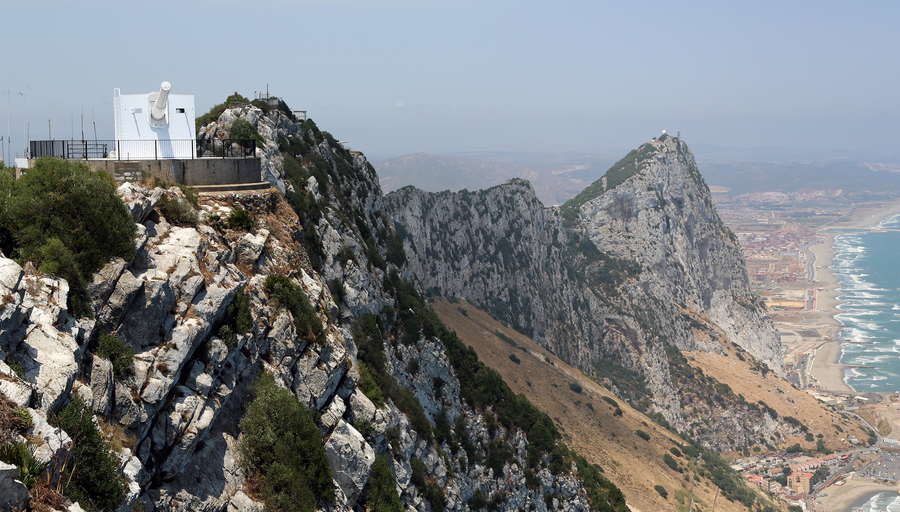
Martin’s Cave is a limestone sea cave in the British Overseas Territory of Gibraltar, opening high on the eastern cliffs of the Rock of Gibraltar below O’Hara’s Battery. It lies over 700 feet above the Mediterranean Sea and is now reachable because Martin’s Path was constructed across previously inaccessible precipices. The cave’s extreme length from the entrance is about 114 feet, with a greatest breadth of just over 73 feet, and it has only one internal outlet. An 1829 account relates that a soldier named Martin discovered the cave in 1821 after accidentally falling onto a narrow ledge at its entrance; the cave was subsequently named after him. Reaching it was originally dangerous, prompting the Royal Engineers to build the narrow approach path. In 1868 Captain Frederick Brome, governor of Gibraltar’s military prison, led excavations in Martin’s Cave using prisoner labour. Finds included parts of a human lower jaw, large quantities of animal bones, broken pottery (many ornamented pieces), stone axes, flint knives, shell ornaments and sea shells. A brightly coloured enamelled copper plaque, swords and other metal objects were also recovered. Several items from the cave, including two swords, a scabbard, two buckles and a plaque, are preserved in the British Museum.