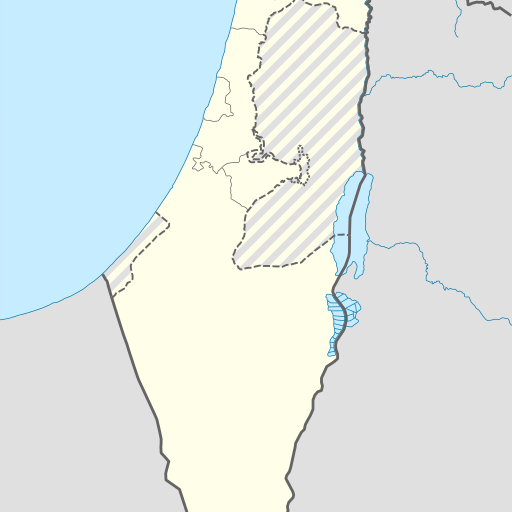
Late Natufian archaeological site in Israel
Raqefet Cave is a Late Natufian archaeological site in Mount Carmel, Israel. Discovered in 1956, it contains remains from the Middle Paleolithic to Natufian periods, including evidence of early plant use and beer brewing around 13,000 years ago.
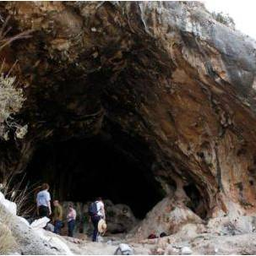
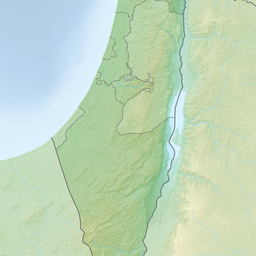
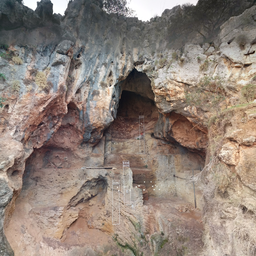
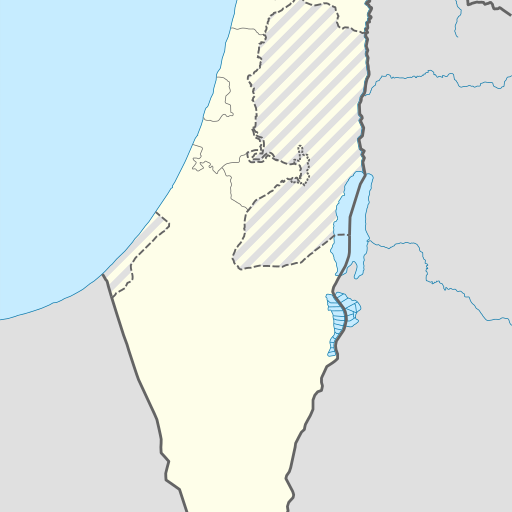
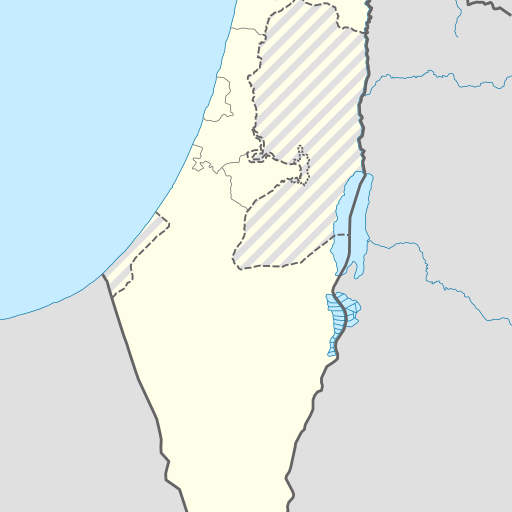
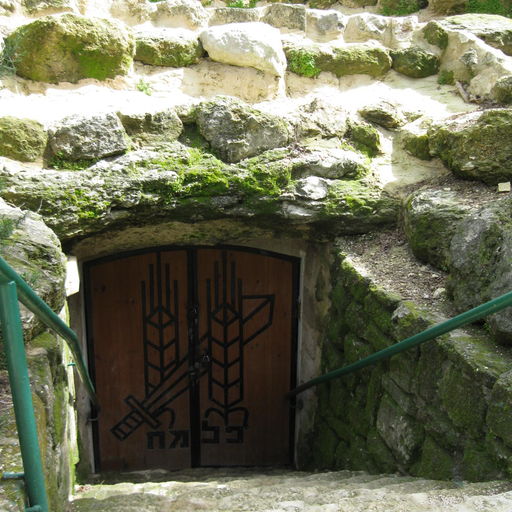
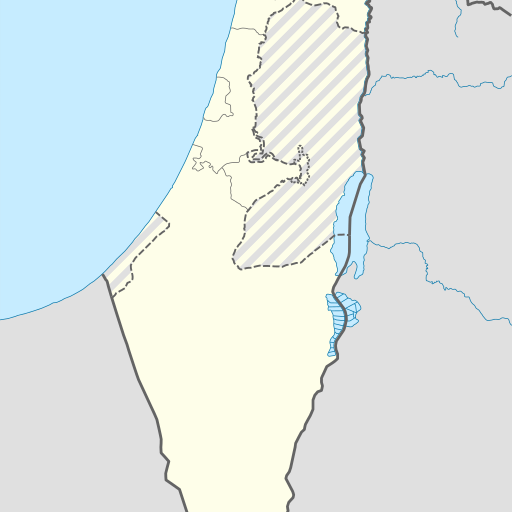
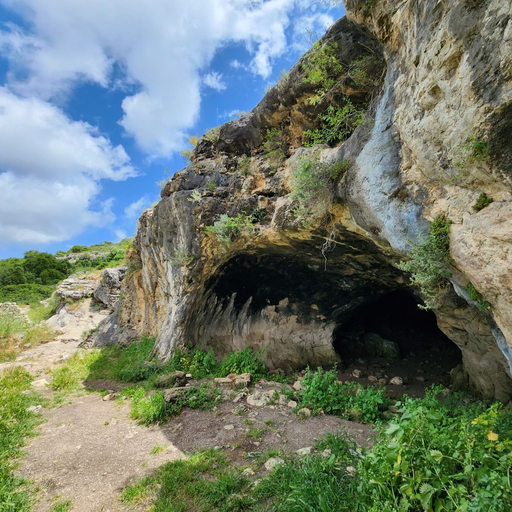
Raqefet Cave, also known as Cyclamen Cave, is a significant Late Natufian archaeological site located on Mount Carmel in northern Israel. Discovered in 1956, the cave has provided valuable insights into prehistoric human activities, particularly those of the Natufian culture, which existed around 13,000 years ago. The site is notable for its evidence of early plant use, including the consumption of cereals before the advent of agriculture. Archaeological findings suggest that the Natufians utilized plants such as wheat, barley, oats, legumes, and flax. One of the most remarkable discoveries at Raqefet Cave is the evidence of beer production, making it one of the oldest known breweries in the world. Residues of a beer-like substance, used in ritual feasting, were found in stone mortars, indicating fermentation processes. The cave also served as a unique burial site, with around 30 human skeletons discovered, some buried on beds of flowers. The presence of incised slabs with petroglyphs, including a human figure possibly depicted as dancing, adds to the site's cultural significance. Earlier archaeological layers reveal Mousterian and Levantine Aurignacian remains, highlighting the cave's long history of human occupation and its importance in understanding prehistoric life in the region.