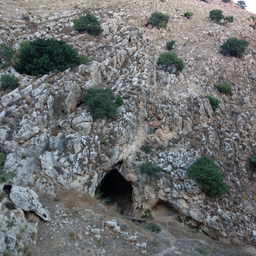
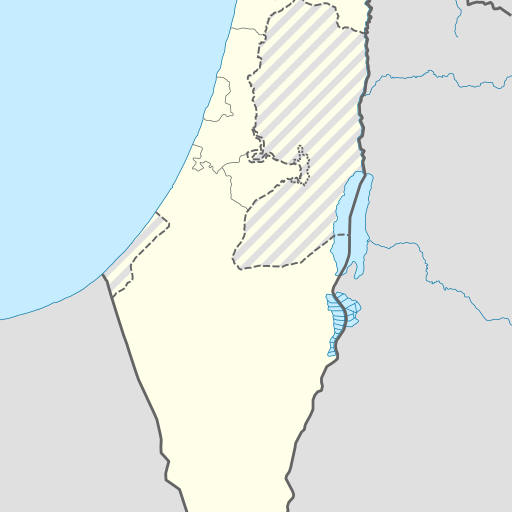
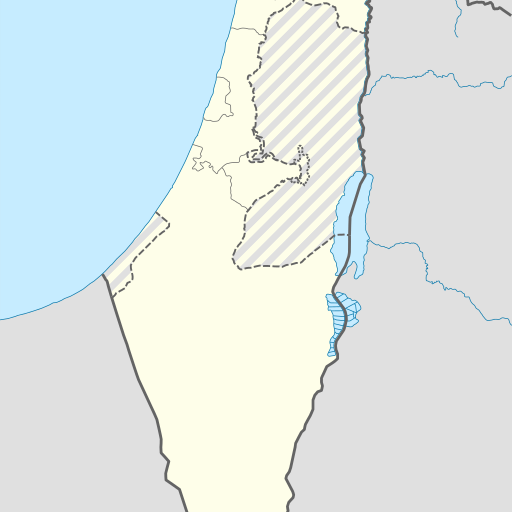
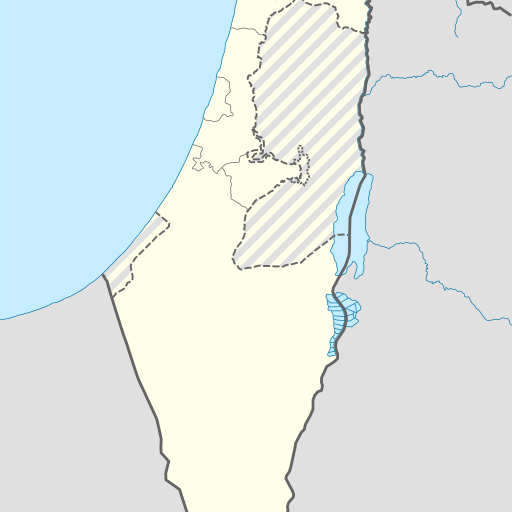
Historic cave in Israel's Northern District, Yizre'el region.
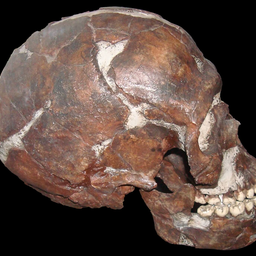
Historic cave in Israel's Northern District, Yizre'el, containing significant Middle Paleolithic human burials. Discovered in 1933 and excavated over several years, the site has yielded remains of 25 individuals, including some that may be hybrids of Neanderthals and modern humans. The age of the site is estimated to be around 90-100 thousand years old based on thermoluminescence dating.
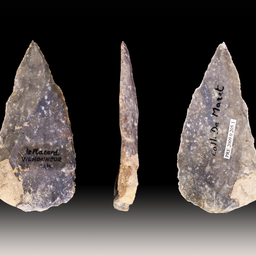
Qafzeh Cave, located in the Northern District of Israel near Nazareth, is a significant prehistoric archaeological site. Situated at the base of Mount Precipice, the cave has been a focal point for understanding early human history. Excavations began in 1933, led by René Neuville and Moshe Stekelis, and continued intermittently until 1979 under Bernard Vandermeersch. The site is renowned for its Middle Paleolithic burials, with remains dating back approximately 92,000 years. These remains include 25 individuals, some of the earliest anatomically modern humans found outside Africa. The findings at Qafzeh Cave provide crucial insights into the migration and development of early Homo sapiens. The cave yielded not only human skeletons but also Mousterian stone tools, hearths, and animal bones, indicating it was used for both habitation and burial purposes. Notably, ochre residues found on bones suggest ritualistic burial practices, highlighting the symbolic behavior of early humans. The presence of Mediterranean shells, some with ochre stains, further supports the idea of symbolic use. Qafzeh Cave's discoveries have significantly contributed to the understanding of human evolution, particularly the spread of modern humans from Africa and their interactions with Neanderthals in the Levant region.