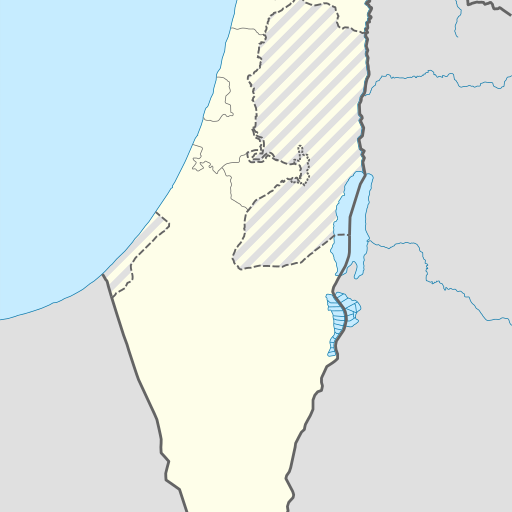
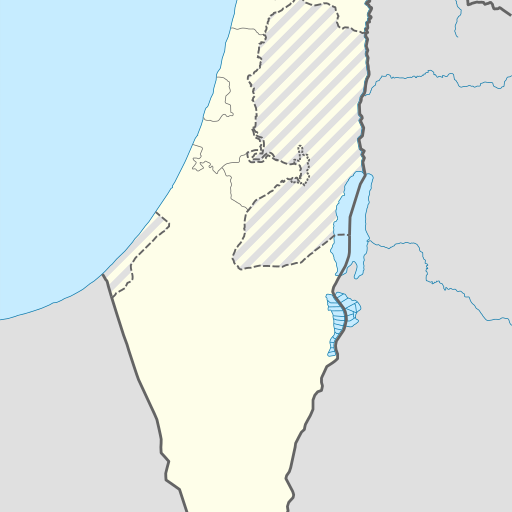
Archaeological site in Israel's Central District, near Kafr Qasim.
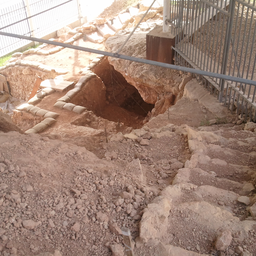
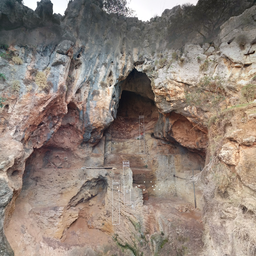
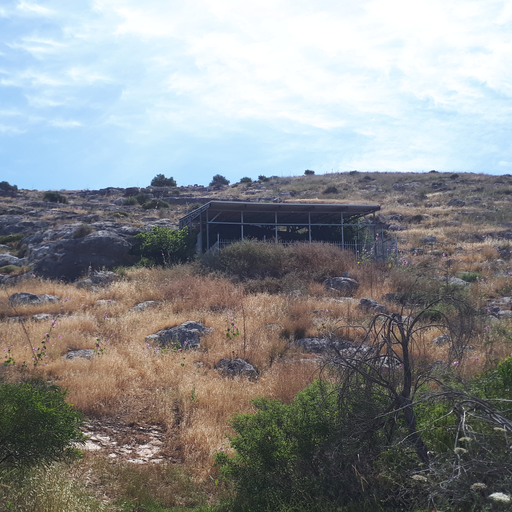
Qesem Cave is an archaeological site in Israel's Central District, near Kafr Qasim. It was discovered in October 2000 during road construction and contains artifacts from the Acheulo-Yabrudian complex dating back to around 420–220 thousand years ago. The cave has yielded evidence of early human occupation and is protected, covered, and subject to ongoing excavations.
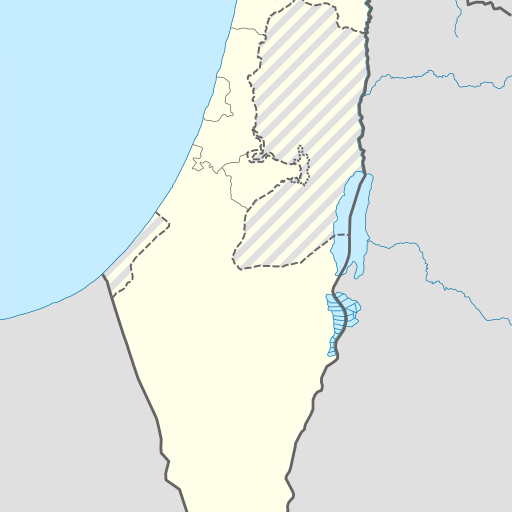
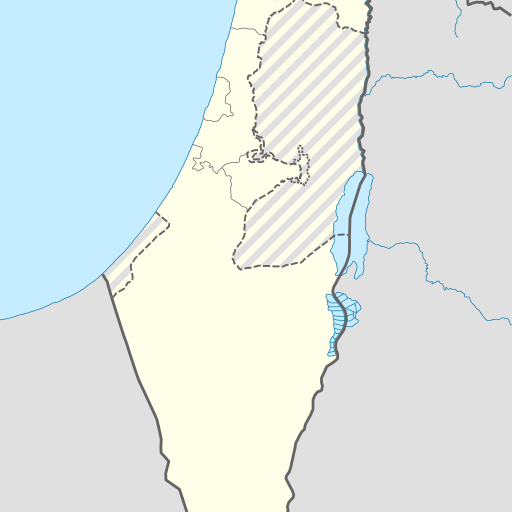
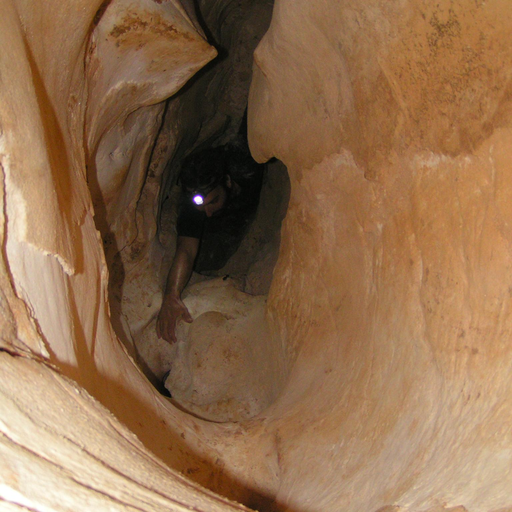
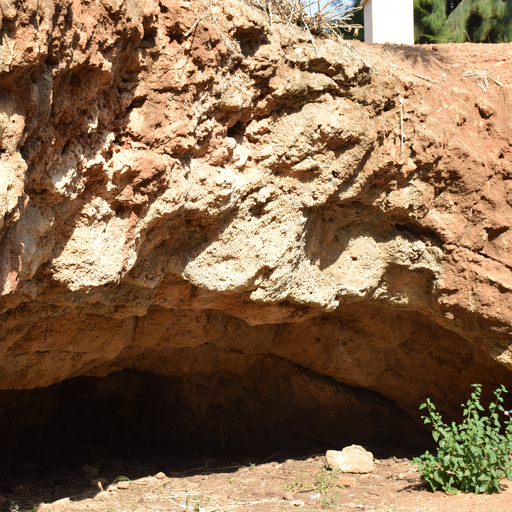
Qesem Cave is a significant archaeological site located near Kafr Qasim in Israel, approximately 12 kilometers east of Tel Aviv. Discovered in October 2000 during road construction, the cave is part of a karst system formed in the Cenomanian period. It has been the focus of extensive research due to its rich deposits from the Lower Paleolithic era, specifically the Acheulo-Yabrudian complex. The site was occupied by early humans between 420,000 and 220,000 years ago. Excavations have revealed stone tools, animal remains, and notably, human dental fossils. These findings have sparked considerable interest, as some of the teeth, dated between 200,000 and 400,000 years old, exhibit features of anatomically modern humans. This has led to debates about the origins of modern humans, challenging the traditional view that they originated solely in Africa. The cave's deposits are about 7.5 meters deep, divided into two main layers, and contain no traces of Mousterian occupation. The site is protected and continues to be a subject of ongoing archaeological study. The discoveries at Qesem Cave have provided valuable insights into the behavior, diet, and technological advancements of early human populations in the region.