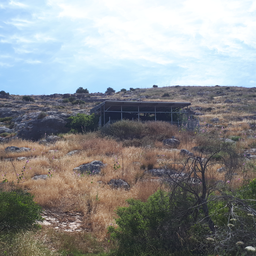
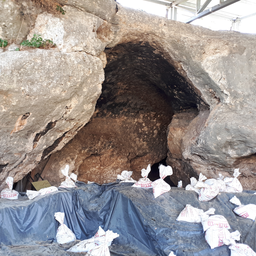
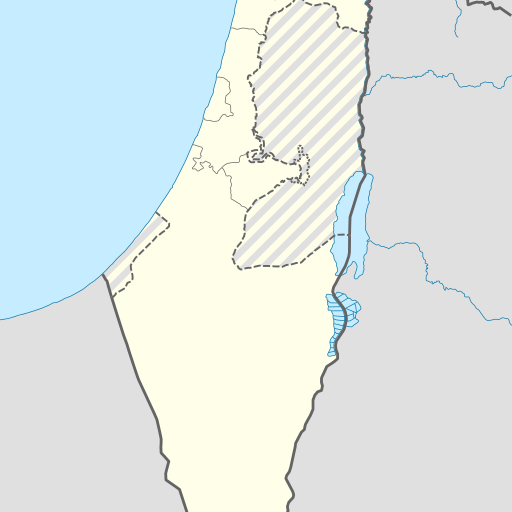
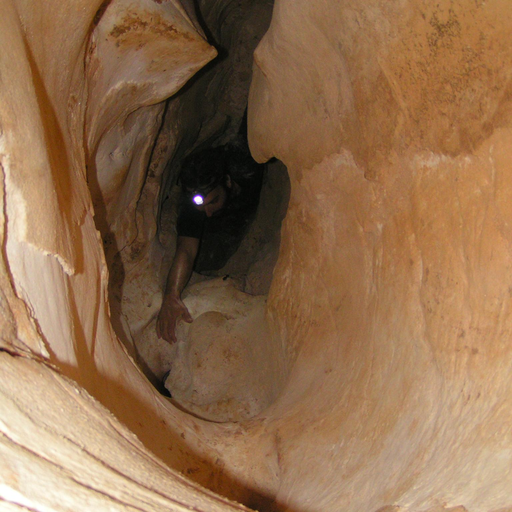
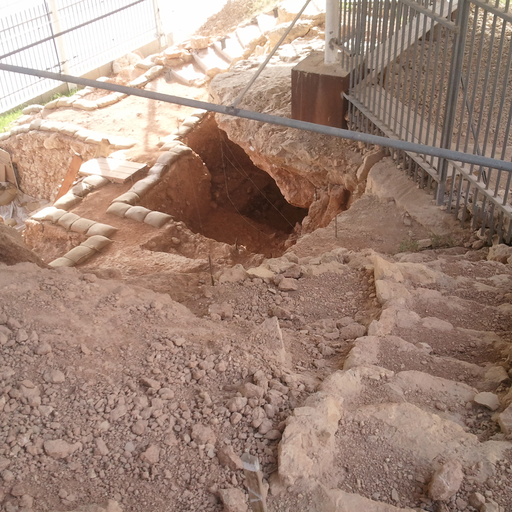
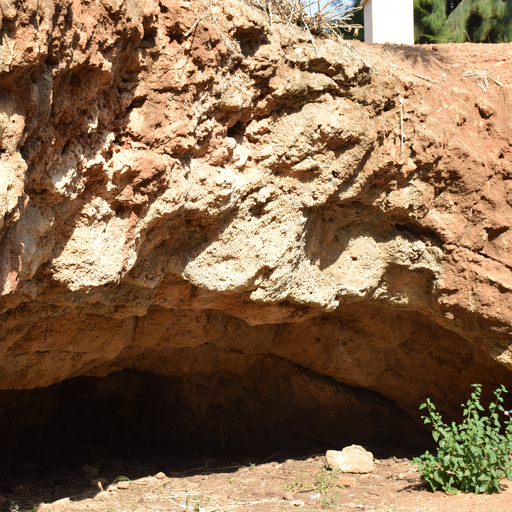
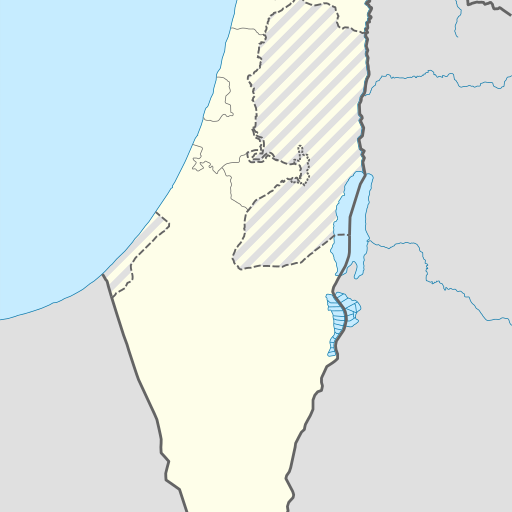
Cave in Central District, Israel with prehistoric artifacts.
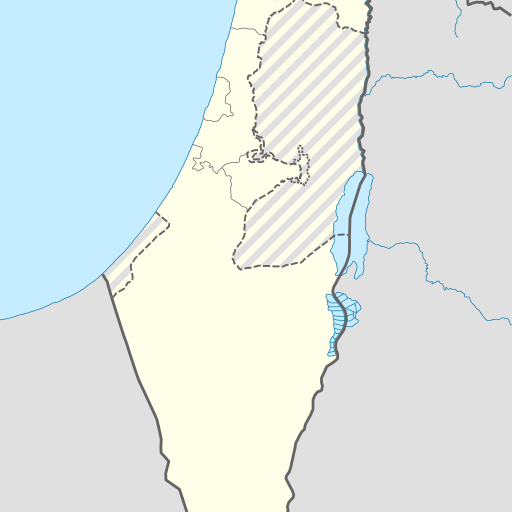
Tinshemet Cave is an archaeological site in central Israel, near Shoham. Discovered in 1925, it contains Middle Paleolithic artifacts and human remains dating back 120,000 to 100,000 years. Excavations reveal evidence of early burial practices and fire use by ancient hominins.
Tinshemet Cave is a significant archaeological site located near Shoham, Israel. Situated on the eastern bank of Wadi Beit Arif, it has been excavated since 2017 by researchers from Hebrew University and Tel Aviv University. The cave contains numerous stone tools made using Levallois technique and over 7,500 fragments of red ochre. Excavations have uncovered skeletal remains dating back to the Middle Paleolithic period, including at least five individuals buried between 120,000-100,000 years ago. Notably, one burial shows clear evidence of intentional placement with a red ochre stone nearby, making it among the earliest known human burials. The cave's stratigraphy reveals extensive use of fire and complex social behaviors indicative of Neanderthals or early Homo sapiens. Researchers aim to determine which hominin species occupied Tinshemet Cave during this critical period when modern humans and Neanderthals coexisted in the Levant. Findings suggest that these groups shared cultural practices, such as burial rituals and tool-making techniques. Tinshemet Cave's significance lies not only in its archaeological artifacts but also in providing crucial insights into early human behavior and social organization during a pivotal era of human evolution.