Archeological cave site in Israel, Pre-Pottery Neolithic B period.
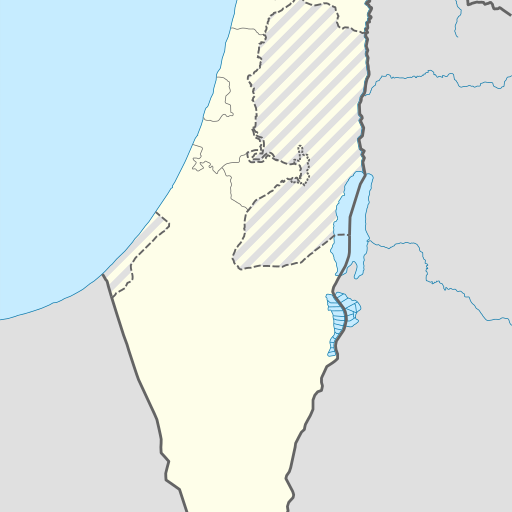
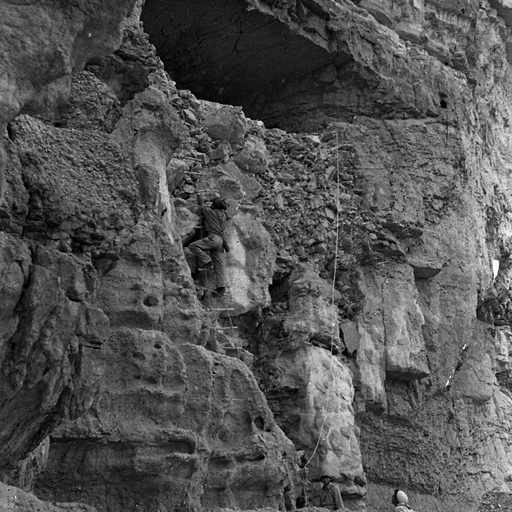
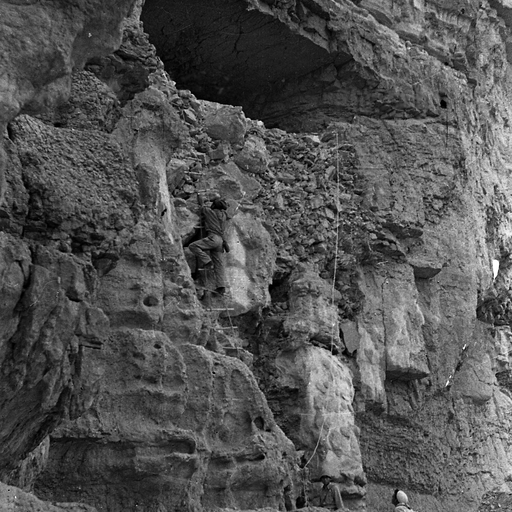
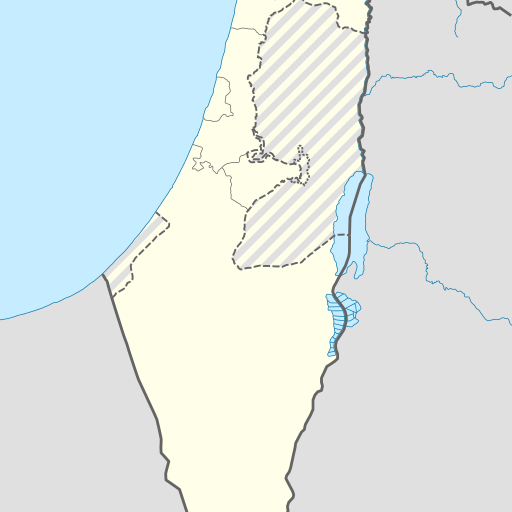
Nahal Hemar Cave is an archaeological site in Israel's Judean Desert, near the Dead Sea. Excavated in 1983, it yielded Neolithic artifacts including stone masks, plaster figurines, and tools from the Pre-Pottery Neolithic B period.
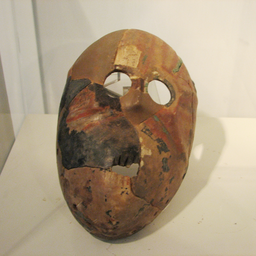
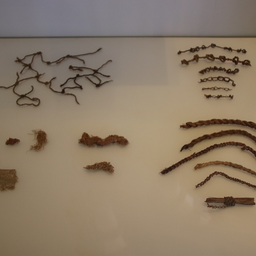
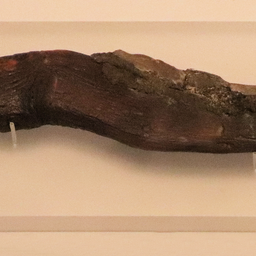
Nahal Hemar Cave is an archaeological site in the Judean Desert of Israel, near the Dead Sea and northwest of Mount Sodom. Excavations began in 1983 by Ofer Bar-Yosef and David Alon, revealing artifacts from the Pre-Pottery Neolithic period. The cave contains a unique collection of items including wooden tools, basket fragments, gypsum figurines, and decorated human skulls. Notable finds include stone masks similar to those found within a 50 km radius in the Judean Desert and hills, as well as unusual "Nahal Hemar knives." Artifacts were covered with what was initially thought to be asphalt but turned out to be an ancient adhesive dating back about 8310-8110 years. This discovery predates similar findings in Egypt by two millennia. The gypsum artifacts are significant for their intentional chemical alteration and controlled production techniques, suggesting ritual use. The site also yielded textiles made using nalbinding, a form of looping that places Nahal Hemar among the earliest known locations for crochet-like techniques. Analysis revealed dense calcite crystal content in beads, indicating they were likely used as part of ceremonial attire. Nahal Hemar Cave's artifacts suggest it may have served as a ritual or magical site, possibly honoring ancestors through decorated skulls and masks worn by participants. The diverse range of items found here underscores its importance for understanding Neolithic life and cultural practices in the region.