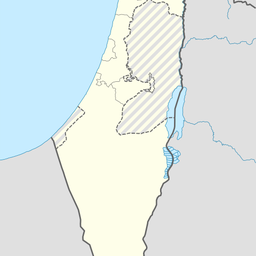
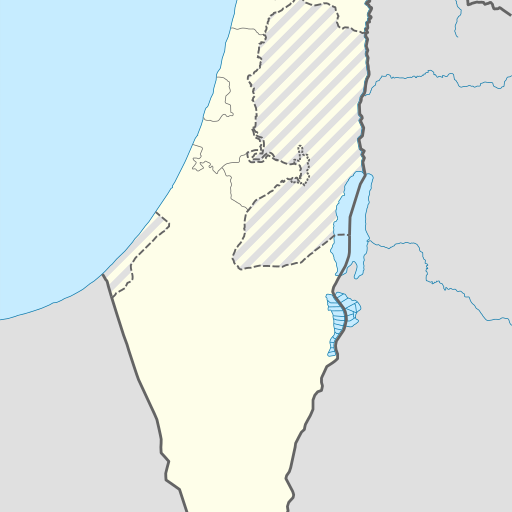
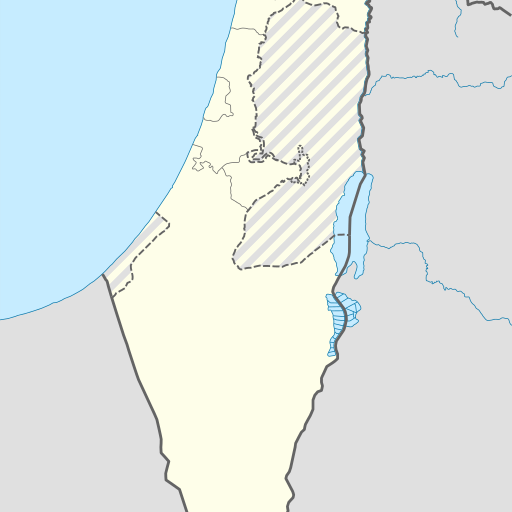
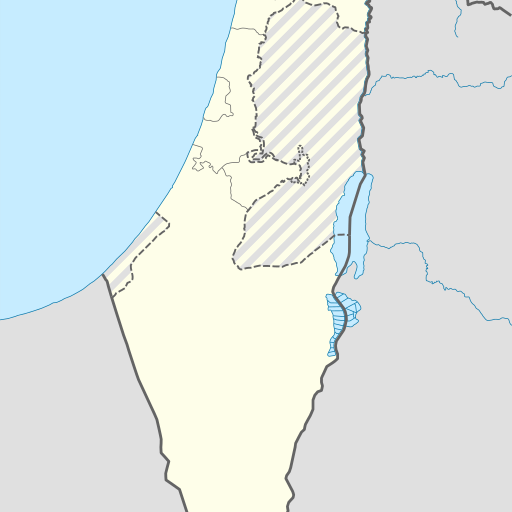
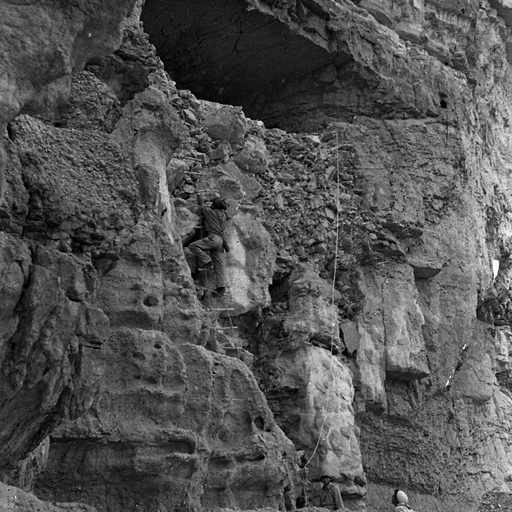
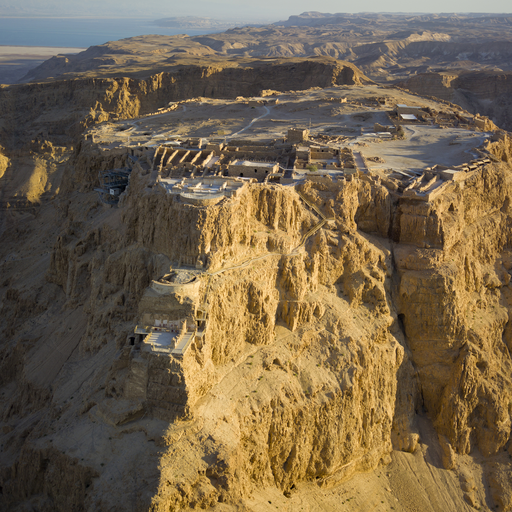
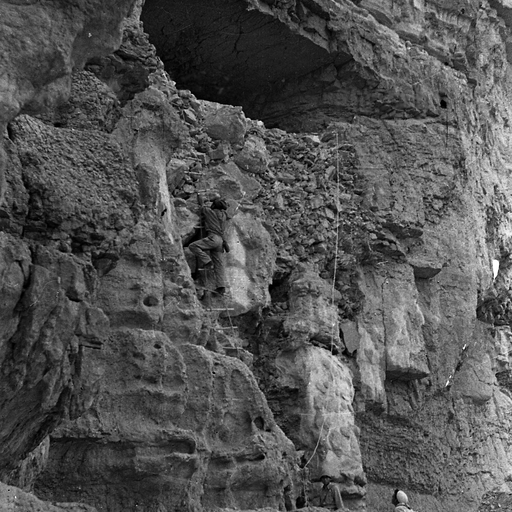
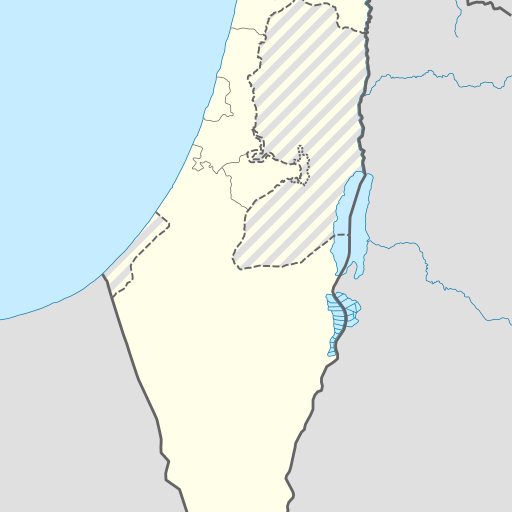
Cave in southern Israel's Be'er Sheva district.
Me‘arat Sedom is a cave located in the Southern District of Israel, near the Dead Sea. It features unique geological formations and is part of an arid desert landscape with nearby settlements like ‘En Boqeq. The area experiences hot summers and mild winters.
Me‘arat Sedom, also known as the Sodom Cave, is a significant geological feature located in the Southern District of Israel. Situated near the Dead Sea, it lies within the Judean Desert and is part of the Arava fault system. The cave is approximately 31 meters deep and contains unique rock formations and mineral deposits. It has been an important site for both scientific research and tourism due to its geological significance and historical context. The area around Me‘arat Sedom features rugged terrain with hills to the north and east, while the southern part is relatively flat. The nearest town is ‘En Boqeq, located about 13 kilometers north of the cave. The climate in this region is arid, with hot summers and mild winters. Annual rainfall averages around 814 millimeters, concentrated mainly during winter months. The cave’s location near ancient trade routes has made it a site of historical interest as well. Archaeological findings suggest that the area was inhabited since prehistoric times, making Me‘arat Sedom an important archaeological site in addition to its geological significance. Today, visitors can explore the cave and learn about its geology and history through guided tours and informational displays. Me‘arat Sedom is also part of a larger conservation effort aimed at preserving the unique desert ecosystem surrounding it. The area includes diverse flora and fauna adapted to the harsh conditions, making it an important site for ecological studies as well.