Large limestone cave near Ramla, Israel with unique ecosystem.
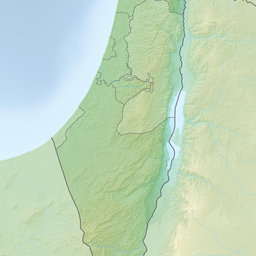
Ayalon Cave, near Ramla in Israel, is a 2.7 km long limestone cave with unique ecosystems isolated for millions of years. Discovered in 2006, it houses eight new species and studies its complex food web based on sulfur-eating bacteria.
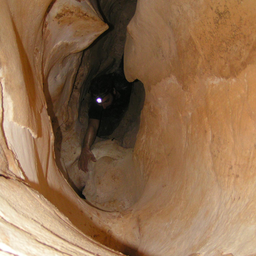
Ayalon Cave is a large limestone cave near Ramla, Israel, with unique ecological significance. Discovered in 2006 during quarrying activities, the cave extends over 2,700 meters and reaches depths of up to 100 meters below ground level. It ranks as the third-largest limestone cave in Israel. The cave's ecosystem is entirely isolated from external light and organic matter, relying on chemosynthetic bacteria that oxidize sulfur compounds for energy. This unique environment has supported a diverse array of endemic species, including eight previously unknown crustacean and terrestrial invertebrates discovered since 2006. The cave’s complex food web, based solely on bacterial activity, offers insights into long-term ecological changes and survival strategies of subterranean life forms over millions of years. The ecosystem's delicate balance has raised concerns about potential threats from human activities such as quarrying and proposed water management projects that could disrupt the natural equilibrium. Scientists have successfully advocated for protective measures to preserve this rare underground habitat, ensuring its continued study and conservation.