Historic cave in Jerusalem, Israel, associated with Jesus' betrayal and prayer.
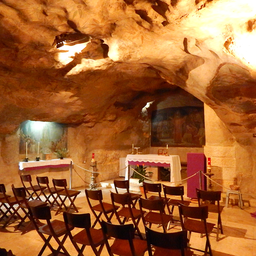
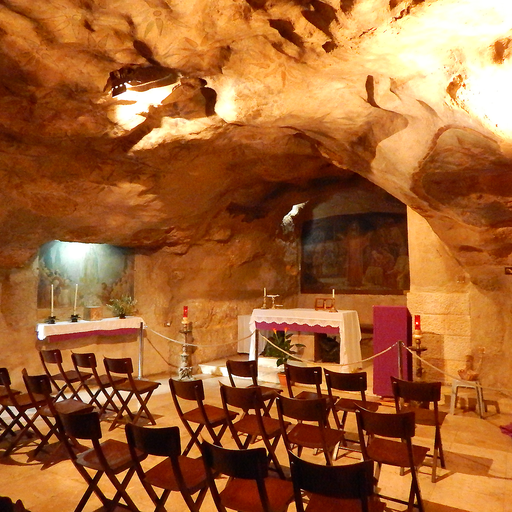
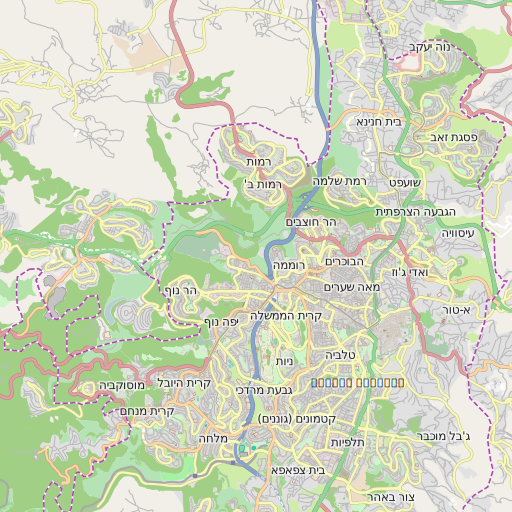
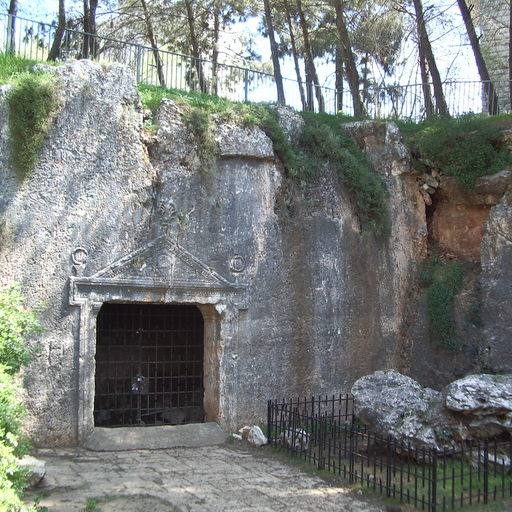
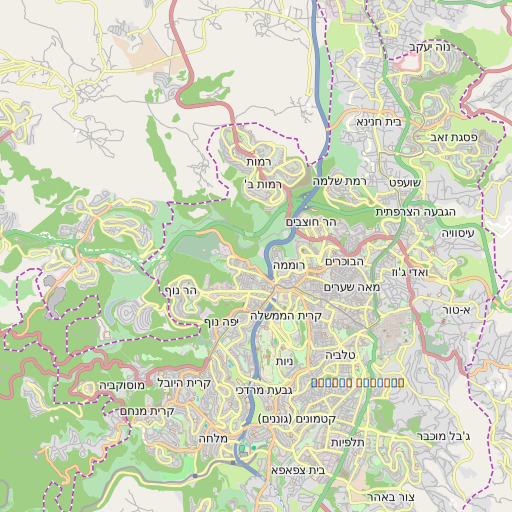
Grotto of Gethsemane: A cave in East Jerusalem, Israel, believed to be where Judas Iscariot betrayed Jesus according to Christian tradition. Part of the Church of All Nations built by Franciscans, it's a site of Christian pilgrimage since Byzantine times and includes a chapel and olive garden. Open daily, no admission fee but donations welcome.
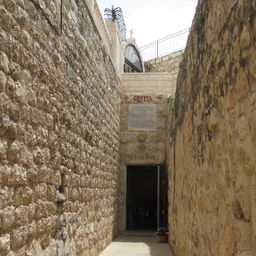
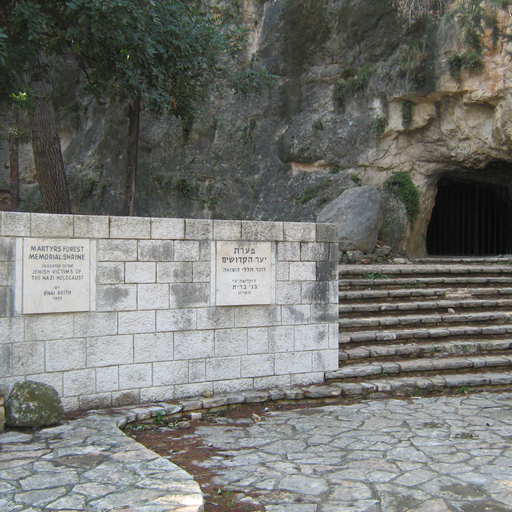
The Grotto of Gethsemane is a significant Christian site in East Jerusalem, Israel, associated with Jesus' final hours before his crucifixion. According to tradition, this cave was the location where Judas Iscariot betrayed Jesus with a kiss and where Jesus prayed during the Agony in the Garden. The grotto, also known as "Cave of Betrayal," is part of the Church of All Nations complex built over it in 1924 by the Franciscan Order. The site has been venerated since Byzantine times when a small chapel was constructed here in the 4th century. Archaeological evidence suggests that the cave originally served agricultural purposes, possibly as an olive press and water cistern. Over time, it became a place of Christian pilgrimage and worship, with various structures built around it. Today, visitors can access the grotto through the Church of All Nations, which houses a basilica and chapel dedicated to Jesus' Agony. The surrounding area includes the Garden of Gethsemane, featuring ancient olive trees believed to have been planted by Jesus' disciples. The site is open daily from 7:00 AM to 6:00 PM during winter months and until 8:00 PM in summer. Managed by the Custodia Terrae Sanctae, a Franciscan organization, the Grotto of Gethsemane attracts thousands of pilgrims annually who come to pray and reflect on Jesus' final moments. The peaceful atmosphere and historical significance make it an important religious and cultural landmark for Christians worldwide.