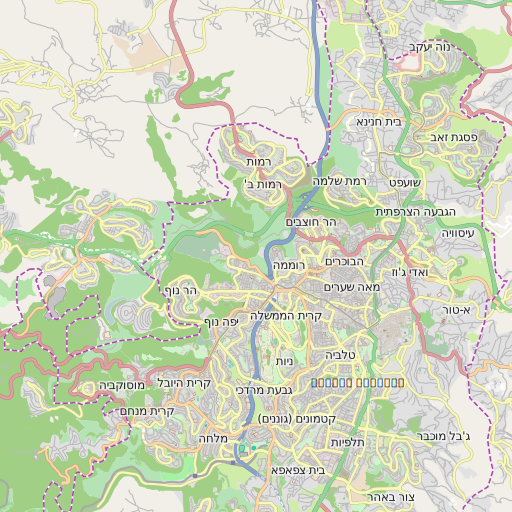
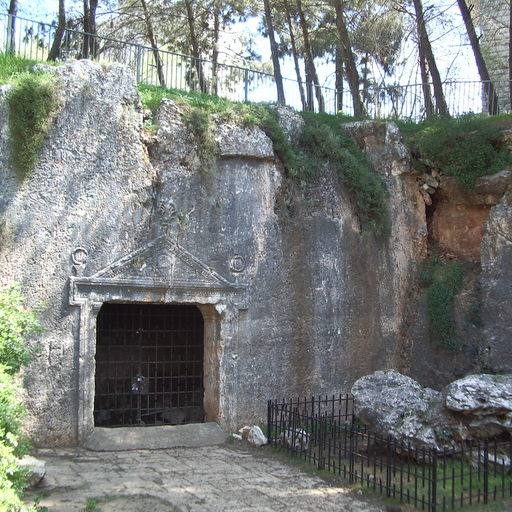
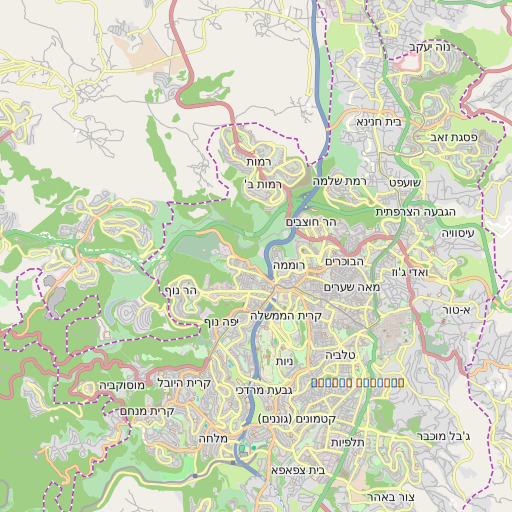
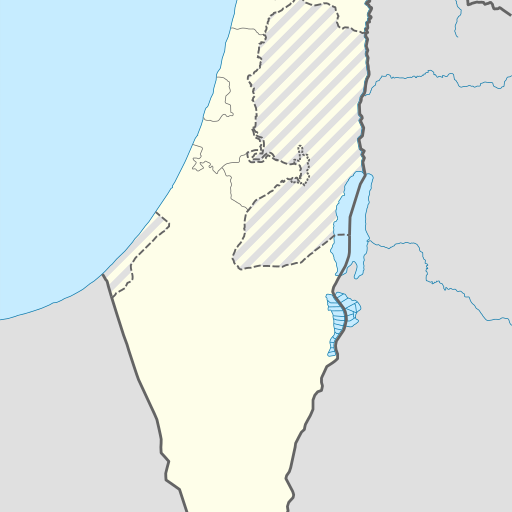
Cave on Mount of Olives in East Jerusalem, Israel, associated with Jesus' arrest.
Historic cave in East Jerusalem, Israel, associated with the arrest of Jesus by Judas Iscariot as described in the New Testament. Known also as Gethsemane Garden or Olivet Garden, it is a significant site for Christian pilgrims and features a stone altar and olive trees. Accessible via Mount Olivet, owned and managed by the Custody of the Holy Land.
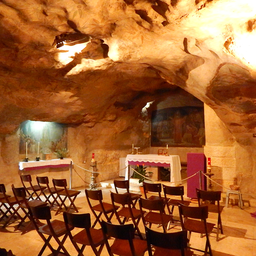
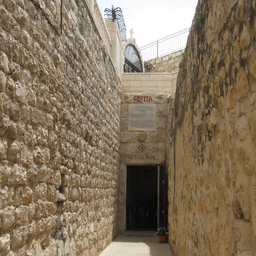
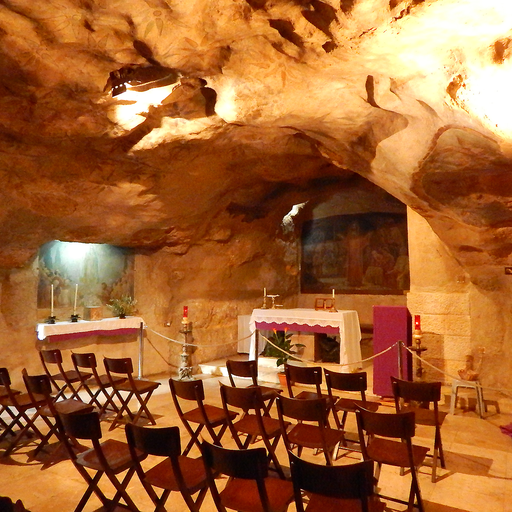
The Grotto of Gethsemane, located in East Jerusalem within the Jerusalem District, is a cave associated with significant events from Jesus' life as described in the New Testament. According to tradition, it was here that Judas Iscariot betrayed Jesus with a kiss during his arrest by Roman soldiers, an event traditionally linked to the Garden of Gethsemane. The grotto has been venerated since Byzantine times and is now owned by the Franciscan Custody of the Holy Land. The cave itself measures approximately 19 meters long and 10 meters wide, with a height of 3.5 meters. It features a stone altar and niches believed to be where Jesus prayed before his arrest. The site includes gardens filled with olive trees and a church built over the cave in the early 20th century. Visitors can access the grotto through an entrance near Mary's Tomb, another significant Christian pilgrimage site nearby. Historically, the grotto was used as a burial place for women of high status during the Byzantine period. Archaeological excavations have uncovered inscriptions and artifacts dating back to this era. The Franciscans acquired ownership in 1361 or 1392 and have maintained it since then, despite various challenges including flooding in 1655. Today, the Grotto of Gethsemane remains a crucial site for Christian pilgrims and offers guided tours and spiritual reflection. The serene setting provides visitors with an opportunity to contemplate the events that transpired here over two millennia ago.