Epipalaeolithic archaeological site in Mount Carmel, Israel.
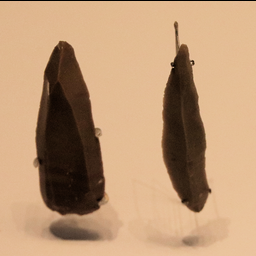
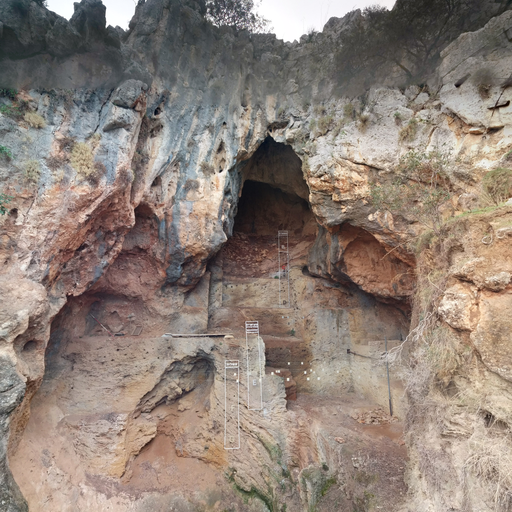
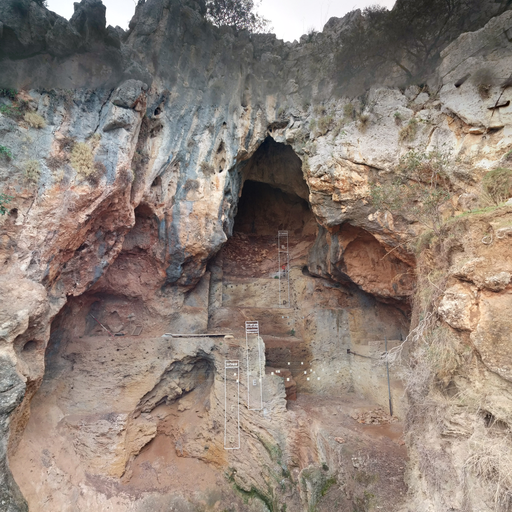
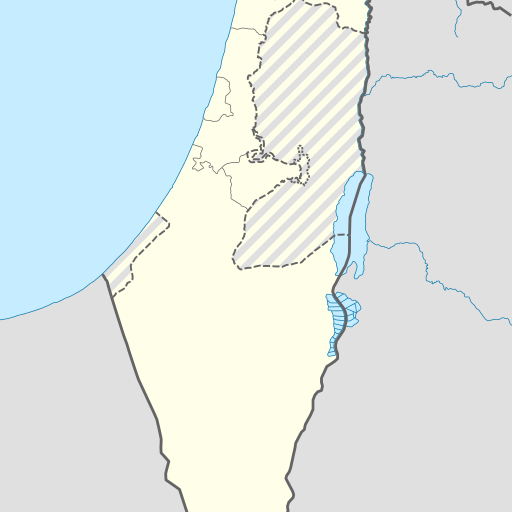
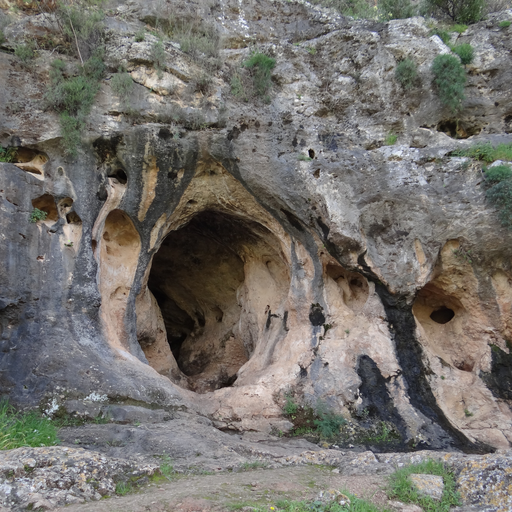
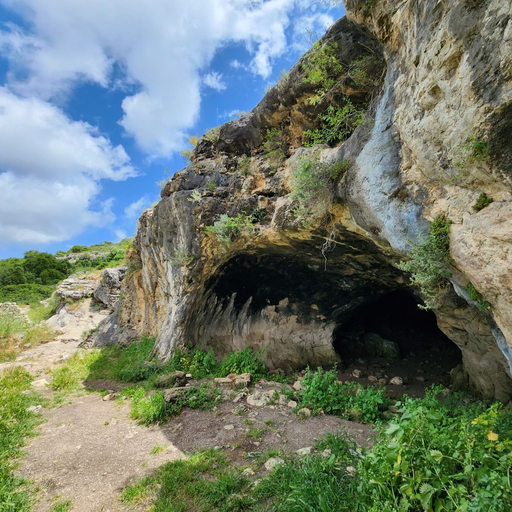
El-Wad is an Epipalaeolithic archaeological site in Mount Carmel, Israel. The site has two components: El Wad Cave and El Wad Terrace. Together with nearby sites, it forms the Nahal Me'arot Nature Reserve, a national park and UNESCO World Heritage Site. Excavations have revealed evidence of Natufian culture dating back 15,000 years. The site is known for its microlithic technology and prehistoric art objects.
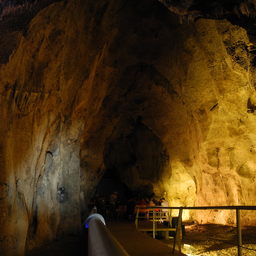
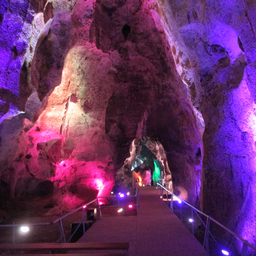
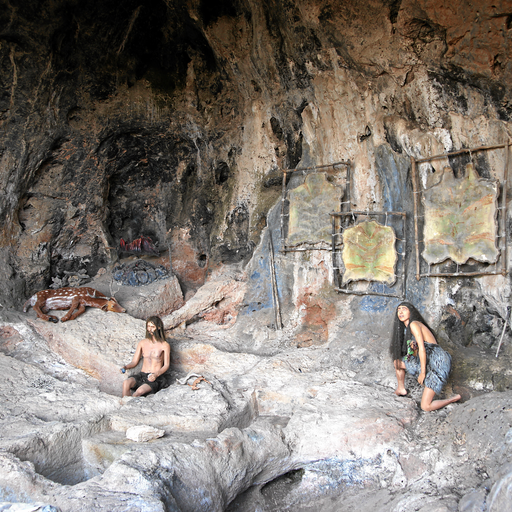
El-Wad is an Epipalaeolithic archaeological site located on Mount Carmel in Israel, within the Nahal Me'arot Nature Reserve, a UNESCO World Heritage Site. The site comprises El Wad Cave, also known as Mughārat al-Wād or HaNahal Cave, and El Wad Terrace, situated just outside the cave. This area is part of a significant prehistoric complex that includes other notable caves such as Tabun, Jamal, and Skhul. El-Wad was first excavated in 1928 by British archaeologist Charles Lambert, who discovered a carved bone handle, marking the first prehistoric art object found in the Near East. This discovery highlighted the site's importance and led to further excavations by Dorothy Garrod from 1929 to 1939. Garrod's work identified the Natufian culture, characterized by microlithic tools, and linked it to the European Mesolithic. The site contains multiple stratigraphic layers, with the Natufian layer revealing evidence of early sedentary life, including stone-built houses, cemeteries, and rich material culture. Excavations have continued intermittently, with significant contributions from François Valla, Ofer Bar-Yosef, and Mina Weinstein-Evron. El-Wad provides crucial insights into human evolution and the transition from nomadic to settled lifestyles in the Levant.