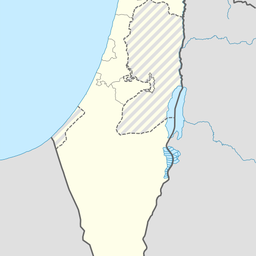
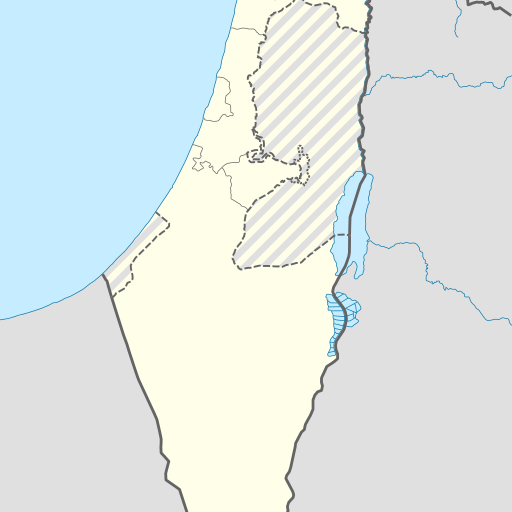
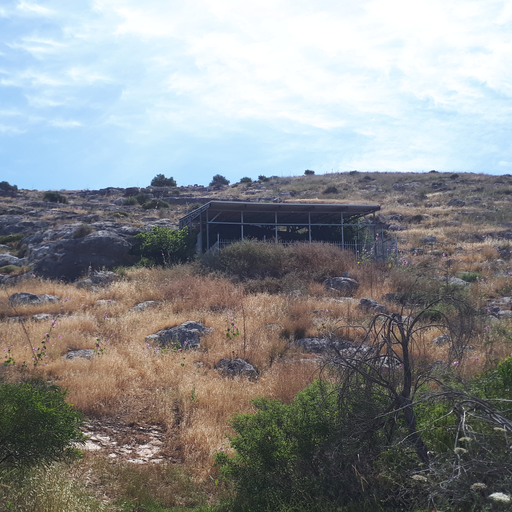
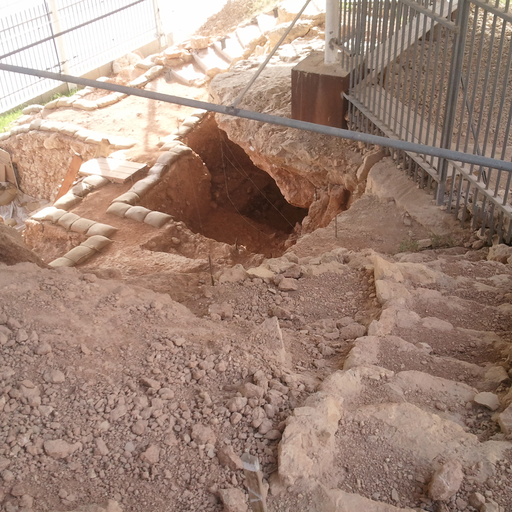
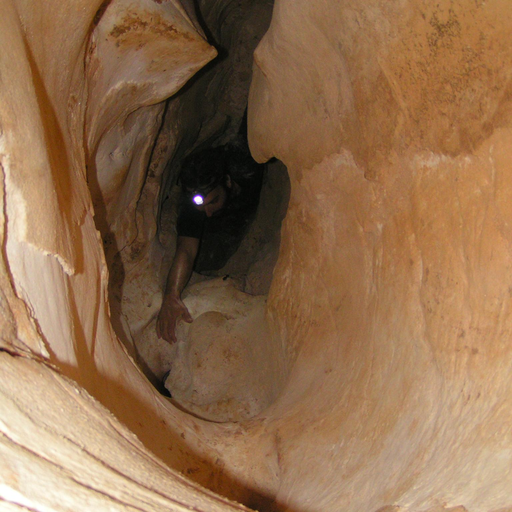
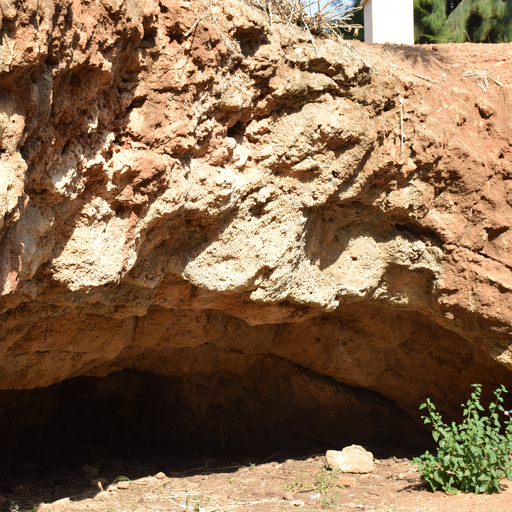
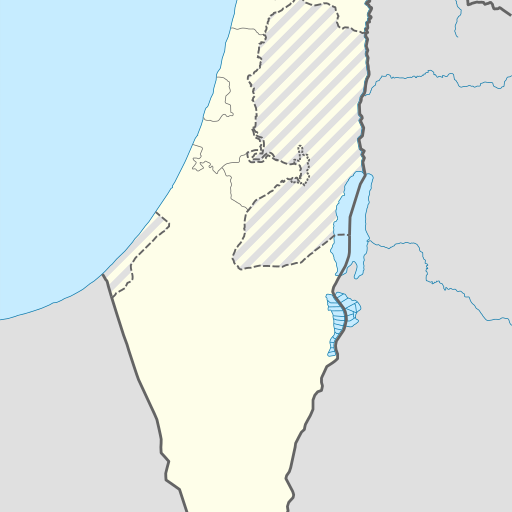
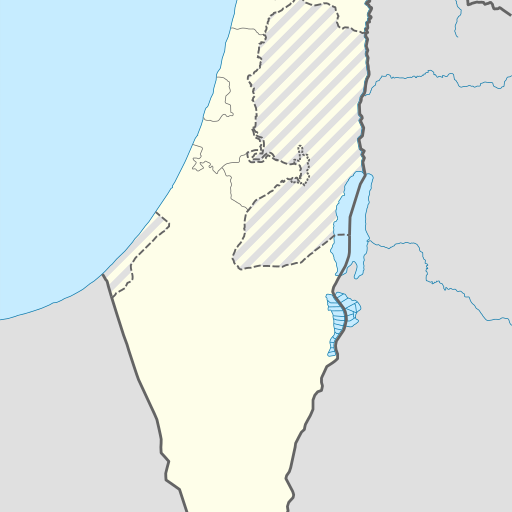
Cave in central Israel, located in Petah Tiqwa district.
Me‘arot H̱ani is a cave in the Central District of Israel, near Tel Aviv. It sits at an elevation of 135 meters with surrounding flat and hilly terrain. The area has a Mediterranean climate with hot summers and mild winters.
Me‘arot H̱ani is a cave located in the Central District of Israel, approximately 135 meters above sea level. The site is situated near Tel Aviv and features a temperate climate with average temperatures ranging from 22°C to 32°C. The area around Me‘arot H̱ani is characterized by flat terrain to the south-west and hills to the north-east. The cave is part of a larger geological formation, with nearby elevations reaching up to 190 meters in height. The region surrounding Me‘arot H̱ani has a high population density, with approximately 331 people per square kilometer. The area experiences an average annual rainfall of about 820 millimeters, with the wettest month being February and the driest being August. The cave is situated in a predominantly agricultural landscape, with vegetation primarily consisting of shrubland and grasslands. Me‘arot H̱ani has historical significance as part of the broader archaeological region known for its prehistoric sites. While specific details about the cave's history are limited, it likely played a role in the lives of ancient inhabitants who utilized natural shelters for habitation and resource gathering. Today, the site remains an important location for geological and environmental studies, offering insights into the area’s past and present ecosystems. The exact management and public access to Me‘arot H̱ani are not specified, but its inclusion in local geographic databases suggests it is recognized as a notable feature within the region. Visitors interested in exploring the cave or conducting research would need to coordinate with relevant authorities for permission and guidance.