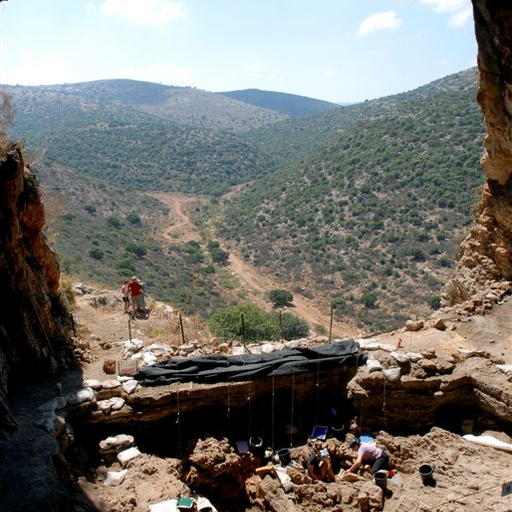
Historic cave in Northern Israel's Galilee region.
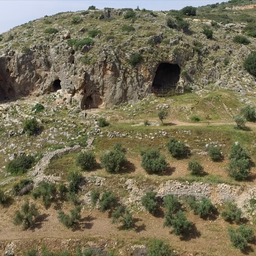
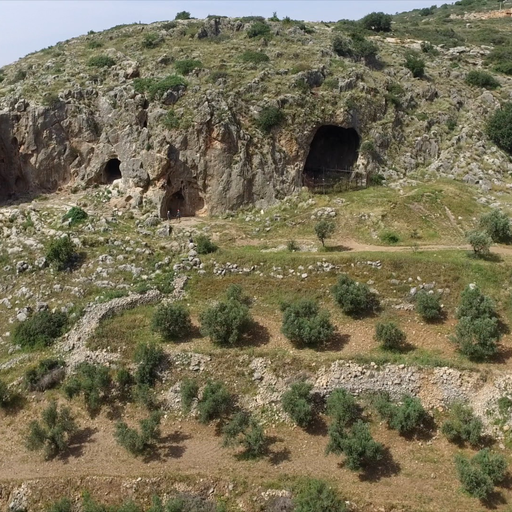
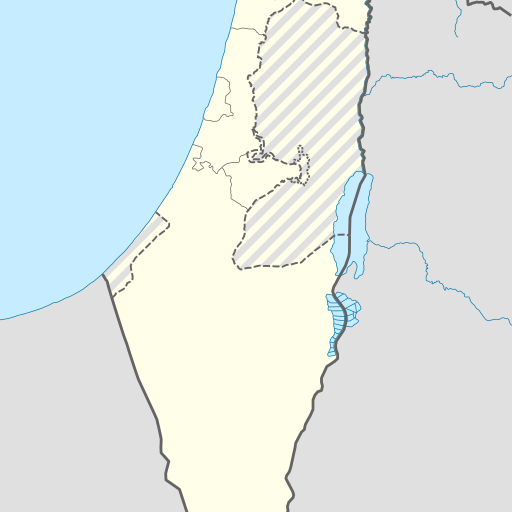
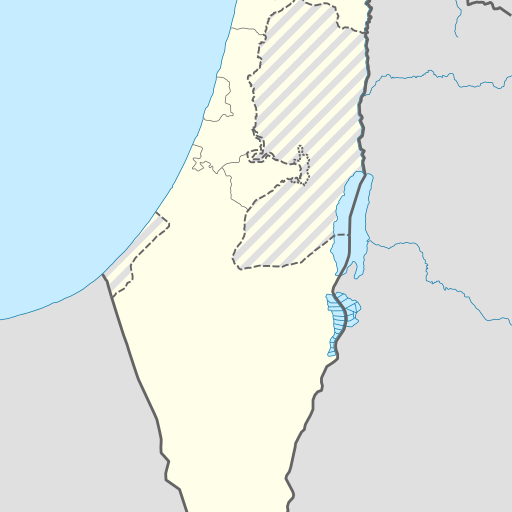
HaYonim Cave is a prehistoric site in Upper Galilee, Israel. Occupied from 250,000 to 100,000 years ago during the Mousterian period and later by Natufians around 12,000 years ago. Excavations revealed hearths, tools, and wall carvings including a 40,000-18,500 BP horse carving.
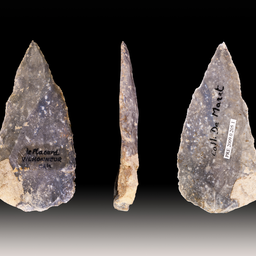
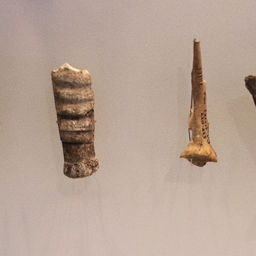
HaYonim Cave is a significant archaeological site located in the Upper Galilee region of northern Israel, about 250 meters above sea level. The cave has been occupied intermittently since the late Lower Paleolithic period, approximately 250,000 years ago, through to the Natufian culture around 12,000 years ago. Excavations have uncovered extensive evidence of human habitation during both the Middle Paleolithic Mousterian and Epipaleolithic periods. During the Mousterian phase, inhabitants used Levallois technique flake tools and early blade technology, along with numerous hearths. Later Natufian occupation featured circular semi-subterranean dwellings with prepared floors, containing hearths and human burials. Artifacts include microlithic stone and bone tools, basalt grinding stones, and limestone mortars. Notable finds at HaYonim Cave include wall carvings depicting symbolic shapes and animals, such as a running horse dating to between 40,000-18,500 BP. This is considered the first art object found within the context of Levantine Upper Paleolithic culture. The Natufian phase also saw the burial of dogs alongside humans, indicating early domestication practices. HaYonim Cave provides crucial insights into human cultural and technological developments during key periods in prehistory, making it a vital site for understanding regional paleoanthropology and archaeology.