Historic cave in Israel's Judaean Desert, containing Bar Kokhba letters.
The Cave of Letters is an archaeological site in the Judean Desert, Israel. Discovered in 1960, it contains documents and artifacts from the Bar Kokhba revolt (132-135 CE), including letters by Bar-Kokhba and personal archives like Babatha's.
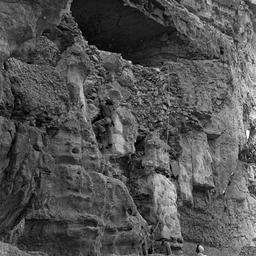
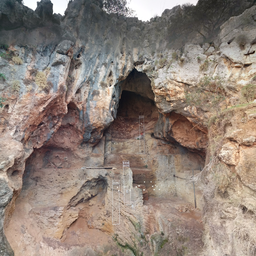
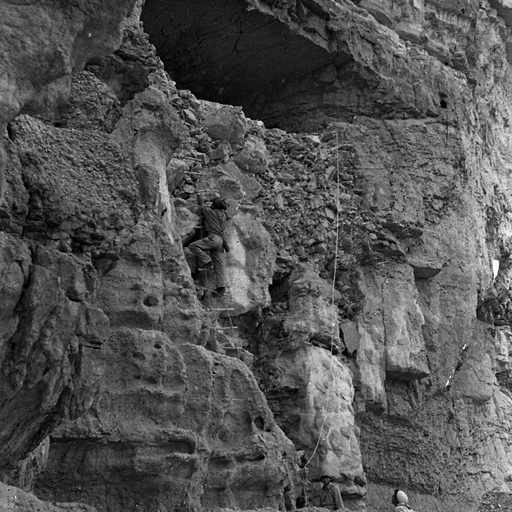
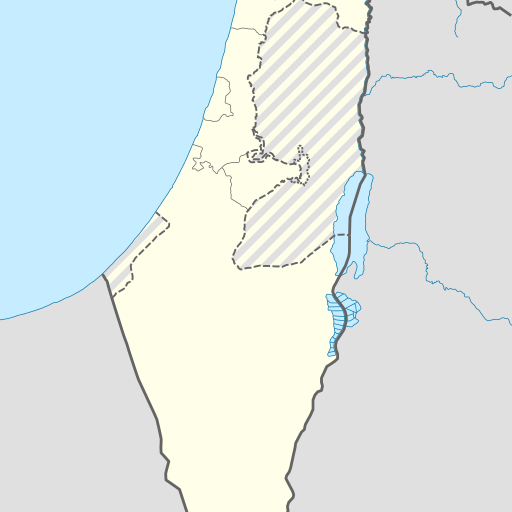
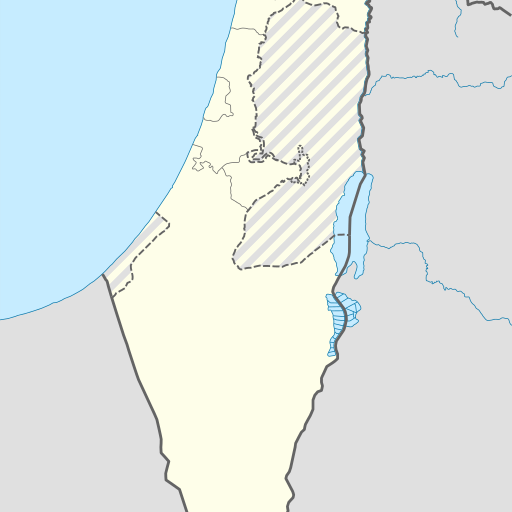
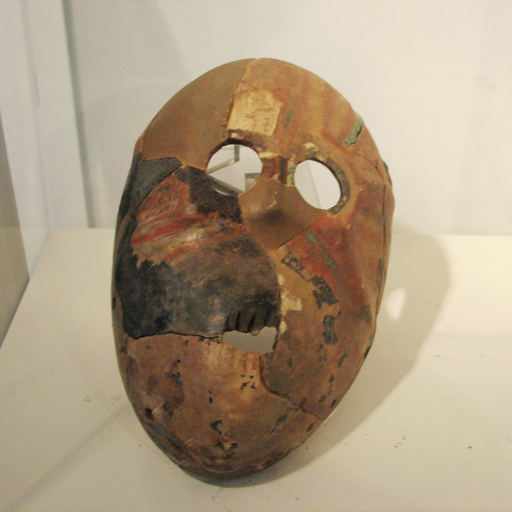
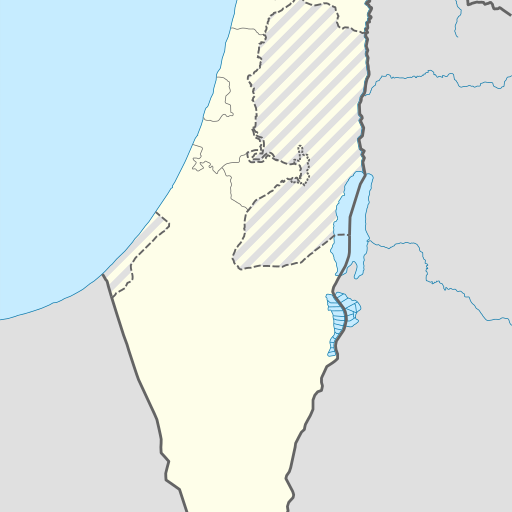
The Cave of Letters is an archaeological site located in the Nahal Hever canyon in the Judean Desert, Southern District of Israel. Discovered in 1960 by Israeli archaeologist Yigael Yadin, the cave gained its name from the numerous letters and documents found within, dating back to the Bar Kokhba revolt (132-135 CE). Among the significant discoveries were letters from Simon bar Kokhba, the leader of the revolt, addressed to his subordinates, as well as personal documents belonging to Babatha, a Jewish woman of the period. These documents provide valuable insights into the social and administrative aspects of life during the Roman occupation of Judea. The cave, situated approximately 20 kilometers south of the Dead Sea Scrolls discovery site, features a challenging terrain with two entrances leading to interconnected chambers. The site also yielded artifacts such as bronze utensils, textiles, and human remains, indicating it served as a refuge during the revolt. The Cave of Letters is part of a broader network of caves in the region that were used as hideouts by Jewish rebels. Despite looting over the years, the cave remains a crucial source of historical and archaeological knowledge about the Bar Kokhba revolt and the Jewish resistance against Roman rule.