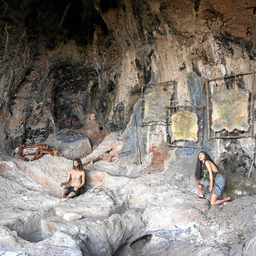
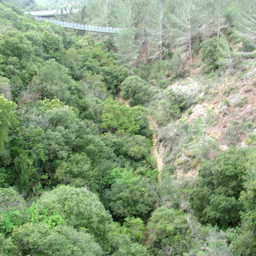
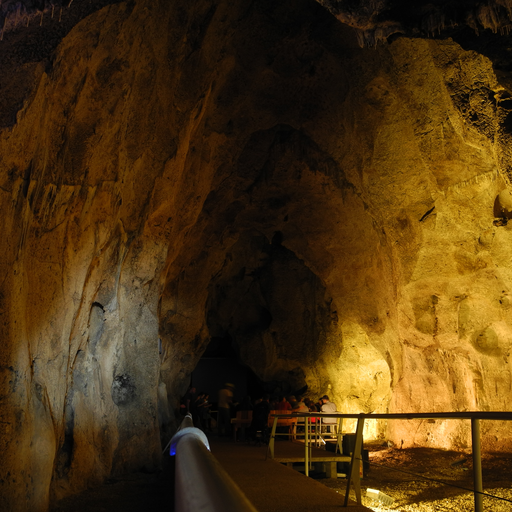
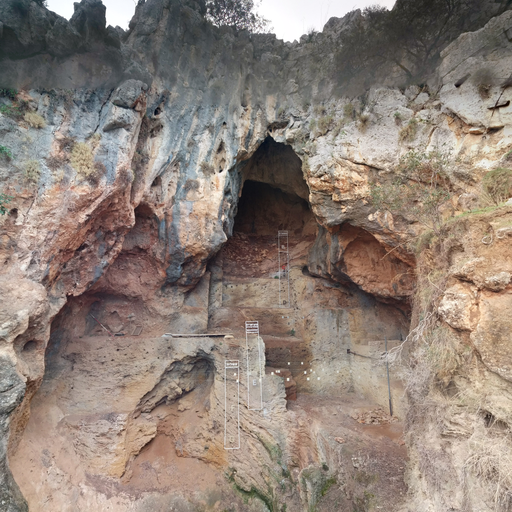
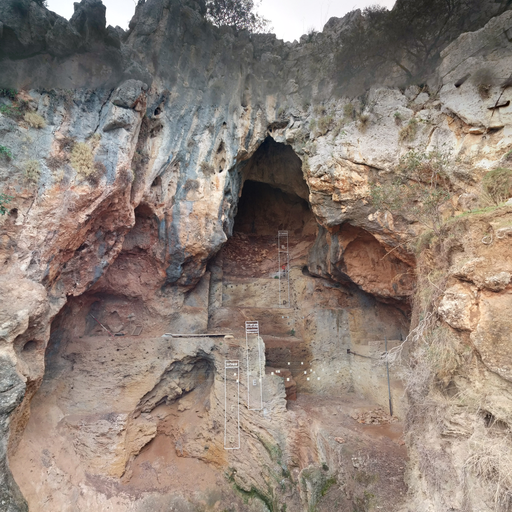
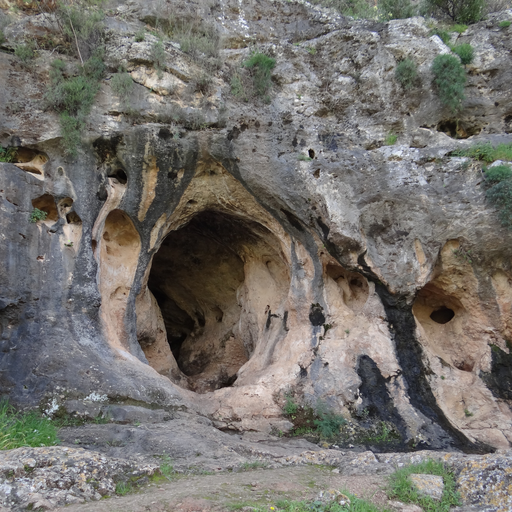
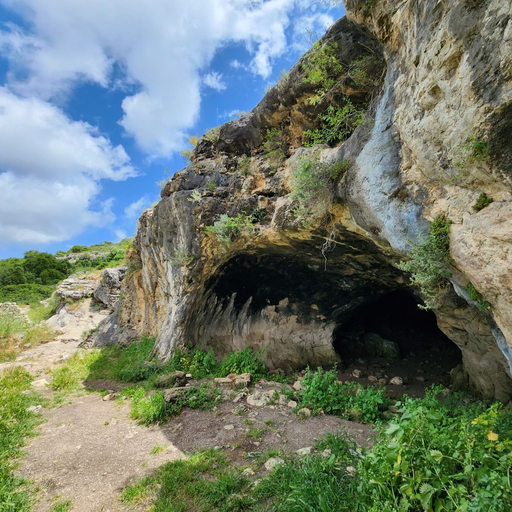
Prehistoric cave in Israel's Carmel mountains, part of the UNESCO World Heritage Site Nahal Me'arot.
Small karst cave in Mount Carmel, Israel. Part of the Nahal Me'arot archaeological site. Excavated by Dorothy Garrod in the 1930s and Mina Evron in the 1990s, it contains Paleolithic stone tools dating back approximately 220,000 years. Declared a UNESCO World Heritage Site in 2012.
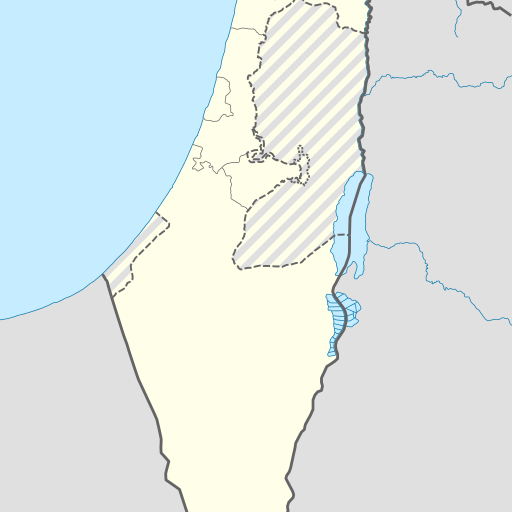
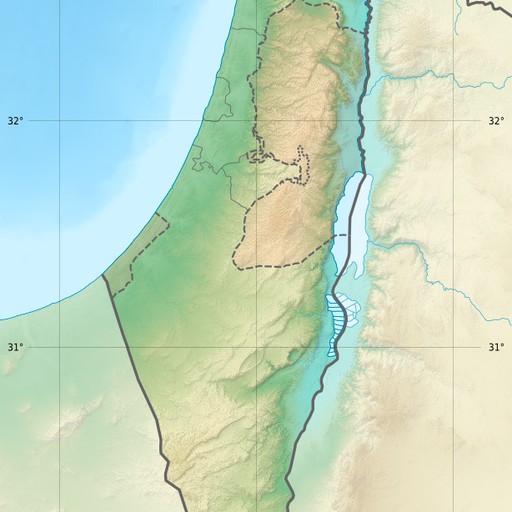
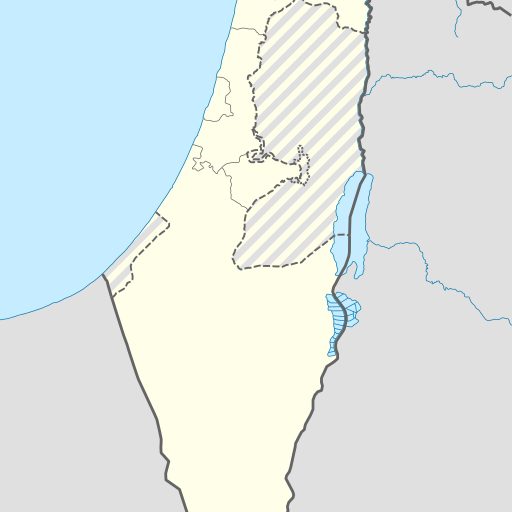
El-Jamal Cave is a small karst cave located between Tabun Cave and Nahal Cave on Mount Carmel, Israel, at an elevation of 45 meters above sea level. Excavated by Dorothy Garrod in the 1930s and later systematically explored by Mina Evron from 1992 to 1994, it contains Paleolithic stone tools dating back approximately 220,000 years. The cave is part of the Nahal Me'arot Nature Reserve and was designated a UNESCO World Heritage Site in 2012 for its significance in human evolution studies. Notable features include burnt earth layers with stone tools and evidence of local material sourcing within a six-kilometer radius, reflecting early human settlement patterns. The cave's small dimensions (9 meters wide by 12 meters high) make it an important site for understanding the Acheulo-Yabrudian cultural complex, which is characterized by distinctive flint tool types. The surrounding karst depressions were dated using uranium-thorium methods, confirming the antiquity of the archaeological layers. This makes Jamal Cave a crucial location for studying early human occupation and technological development in the Levant. Jamal Cave's inclusion alongside other caves like Tabun and Skhul enhances its significance as part of a broader prehistoric landscape that has provided invaluable insights into human evolution over hundreds of thousands of years. The site continues to attract researchers interested in Paleolithic archaeology, offering a unique window into early human life and technological advancements during the Middle Pleistocene era.